A good home backup power setup is not simply about buying the largest battery or generator available. The most effective setups are built around the devices you actually need during an outage and how long you realistically need them to run.
For many homes, this means prioritising lighting, phone charging, internet access, refrigeration, and a few essential electronics before considering high-demand appliances such as kettles, ovens, electric heaters, or microwaves. Those larger appliances require significantly more power and can drain backup systems very quickly.
This guide explains how to build a practical home backup setup using portable power stations, generators, home batteries, and solar charging. If you want a more detailed breakdown of which appliances are realistic to power during an outage, see our guide on What Can You Run During a Power Cut?.
Start With The Devices That Matter Most
The best starting point for any backup setup is deciding which devices are genuinely important during a power cut.
Low-power essentials usually provide the best balance between runtime and practicality. Phones, LED lighting, WiFi routers, laptops, emergency radios, and some medical or security devices can often run for hours from relatively compact battery systems.
Internet access is often one of the most useful things to maintain during an outage, particularly for remote working, communication, and weather updates. Because routers consume relatively little electricity, they are usually easy to support using a small portable power station or UPS. Our guide on How Much Power Does a Wi-Fi Router Need? explains this in more detail.
Larger appliances require much more planning. Fridges and freezers may be realistic with a suitably sized backup system, but appliances such as kettles, electric heaters, ovens, and portable hobs can place extremely heavy demands on battery capacity and output.
Build Your Setup In Layers
For many homes, the most practical backup setups are built gradually rather than all at once.
A basic layer might simply include power banks, rechargeable lighting, emergency radios, and charging cables for phones and small electronics. From there, many people add a compact portable power station to support routers, laptops, and internet access during outages.
Larger setups often build on this foundation rather than replacing it entirely. Higher-capacity portable power stations, generators, or home battery systems can then be added to support refrigeration, multiple rooms, or longer periods without mains power. Solar charging can also help extend runtime significantly when paired with compatible battery systems.
This layered approach is usually more flexible and cost-effective than trying to power an entire home immediately. It also allows you to identify which devices genuinely matter most during outages before investing in larger systems. If you want to compare how these different backup systems perform in practice, our guides on Portable Power Station vs Generator and Portable Power Station vs Home Battery explain the key differences in more detail
🔋 Example Home Backup Power Setups
The best backup setup depends on your home size, outage expectations, and which devices matter most. The examples below show how different types of backup systems are commonly used in real-world situations.
| 🏠 Home Type | 🔋 Example Backup Setup | ✅ Typical Priorities |
|---|---|---|
| Small Flat | Power banks + compact power station | Phones, router, lighting |
| Remote Working Setup | Mid-size portable power station + UPS | Internet, laptop, monitors, charging |
| Family Home | Large power station or generator | Refrigeration, lighting, networking |
| Long Outage Preparation | Generator + fuel + battery backup | Extended runtime and larger appliances |
| Solar-Assisted Setup | Portable solar panels + battery storage | Extended charging and resilience |
Where Should You Keep Backup Power Equipment?
A backup setup is far more useful if it can be accessed quickly during an outage. Smaller essentials such as power banks, rechargeable lights, torches, emergency radios, and charging cables should ideally be stored somewhere easy to reach rather than packed away in cupboards or storage boxes.
Portable power stations are usually best positioned near the devices they are most likely to support. For many homes, this means keeping them close to networking equipment, office spaces, kitchens, or main living areas during periods where outages are more likely.
Cable planning also matters more than many people expect. Extension leads, USB charging cables, router power adapters, and spare charging plugs can make a major difference during a blackout, particularly if multiple people need access to backup power at the same time.
For larger setups such as generators or installed home batteries, ventilation and accessibility become much more important. Generators should always be used outdoors in well-ventilated areas, while home battery systems are typically installed professionally as part of a permanent electrical setup.
Add Redundancy And Recharging Options
A reliable backup setup should not rely entirely on a single device or charging method.
Even a small amount of redundancy can make outages much easier to manage. Separate power banks for phones, rechargeable LED lighting, and a compact emergency radio can still provide useful backup if your main battery system becomes depleted.
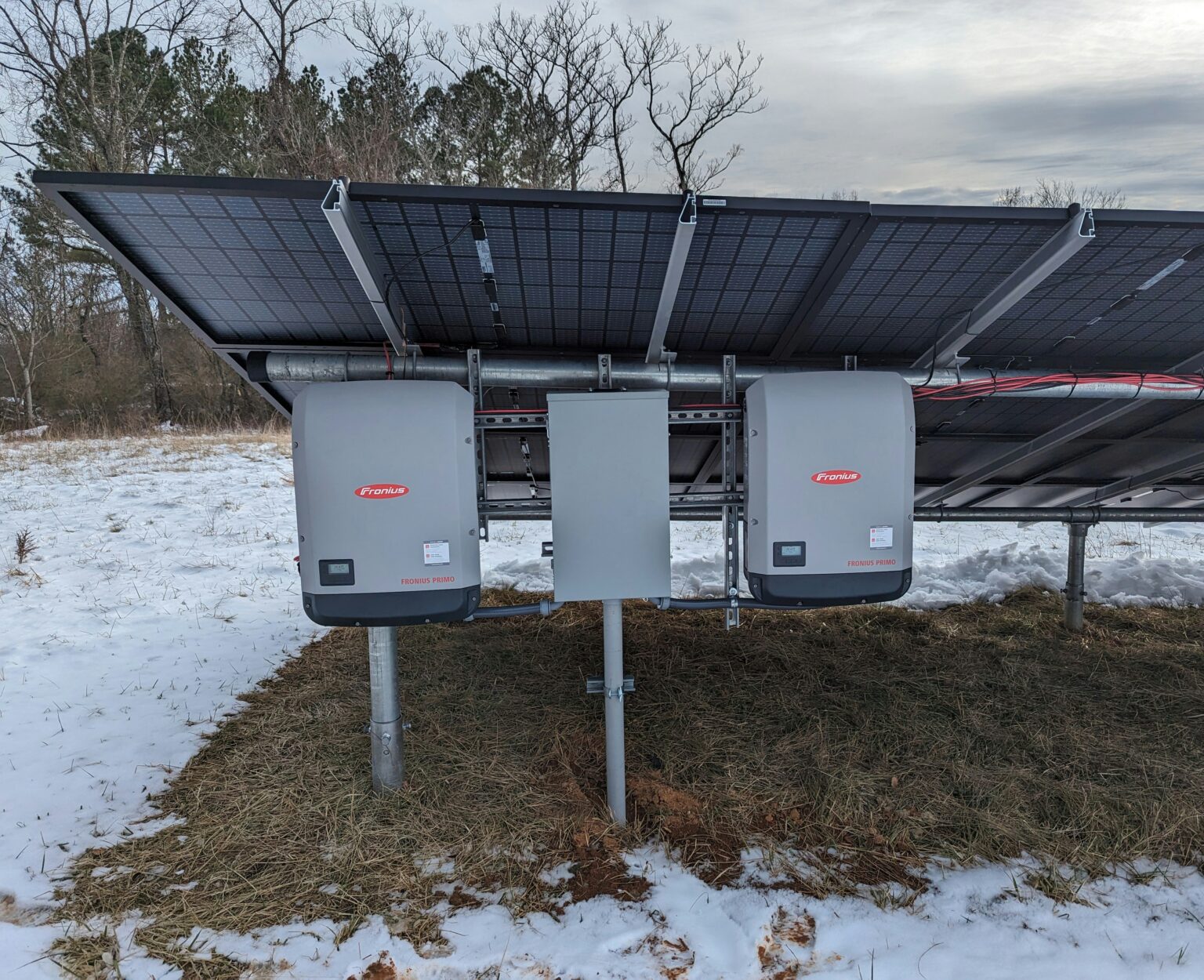
Solar charging can also improve long-term resilience significantly. Portable solar panels allow compatible power stations to recharge during daylight hours, helping extend runtime during prolonged outages or severe weather. Our guide on Best Portable Solar Panels For Camping covers some practical portable options that also work well for emergency home backup.
Recharging speed is another important factor. Some portable power stations can recharge very quickly from mains power, while others may take considerably longer. If outages are frequent in your area, faster charging can become surprisingly useful between interruptions.
Common Home Backup Power Mistakes
One of the most common mistakes is trying to power too many high-demand appliances unnecessarily. In most situations, keeping lighting, internet access, phones, refrigeration, and a few essential devices running is far more practical than attempting to support an entire home.
Another common issue is underestimating appliance power usage. Kettles, electric heaters, ovens, and microwaves consume significantly more electricity than routers, laptops, lighting, or phone charging, which can drain smaller battery systems much faster than expected.
Many people also focus entirely on battery capacity while overlooking power output and startup surges. Refrigerators, freezers, and some tools may briefly require far more power when starting than their normal running wattage suggests.
Poor organisation can also reduce the effectiveness of a backup setup. Missing charging cables, flat power banks, inaccessible torches, or poorly placed equipment can make outages much more frustrating than they need to be.
Finally, backup equipment is only useful if it is maintained properly. Power banks, portable power stations, rechargeable lights, and emergency radios should all be checked regularly to ensure batteries remain charged and ready for use.
Final Thoughts
The best home backup power setup is usually the one built around your actual priorities rather than the most powerful system available. For many homes, keeping lighting, internet access, refrigeration, phones, and a few essential devices running is far more practical than attempting full-home backup.
Portable power stations are often the simplest and most flexible starting point, while generators and home battery systems are better suited to longer outages or larger appliance loads. Adding redundancy through rechargeable lighting, power banks, solar charging, and emergency equipment can also make a major difference during extended disruptions.
A well-planned setup does not need to be overly complicated. Even relatively small backup systems can provide significant improvements in comfort, communication, and reliability during outages when they are matched properly to your home and usage.
If you want a broader overview of backup technologies and system types, our Backup Power for Homes guide explores portable power stations, generators, home batteries, and solar backup in more detail.
FAQs
For many households, a portable power station combined with rechargeable lighting and power banks is one of the most practical starting points. This type of setup is usually enough for phones, routers, laptops, and essential electronics during shorter outages.
This depends entirely on what you want to keep running. Supporting a router and lighting requires far less capacity than powering refrigeration, heating, or cooking appliances. Focusing on essential devices first usually results in a much more practical setup.
Portable power stations are often sufficient for short outages and smaller devices. Larger appliances or longer disruptions may require higher-capacity systems, generators, or home batteries depending on your requirements.
Portable power stations are usually most useful when kept near the devices they are most likely to support, such as routers, office equipment, or kitchen appliances. During periods where outages are more likely, many people keep them in easily accessible living areas rather than packed away in storage.
Thanks for reading our home backup power setup guide.
Feel free to leave a comment below if you have any thoughts or queries that you’d like us to take a look at – we’d be happy to help.