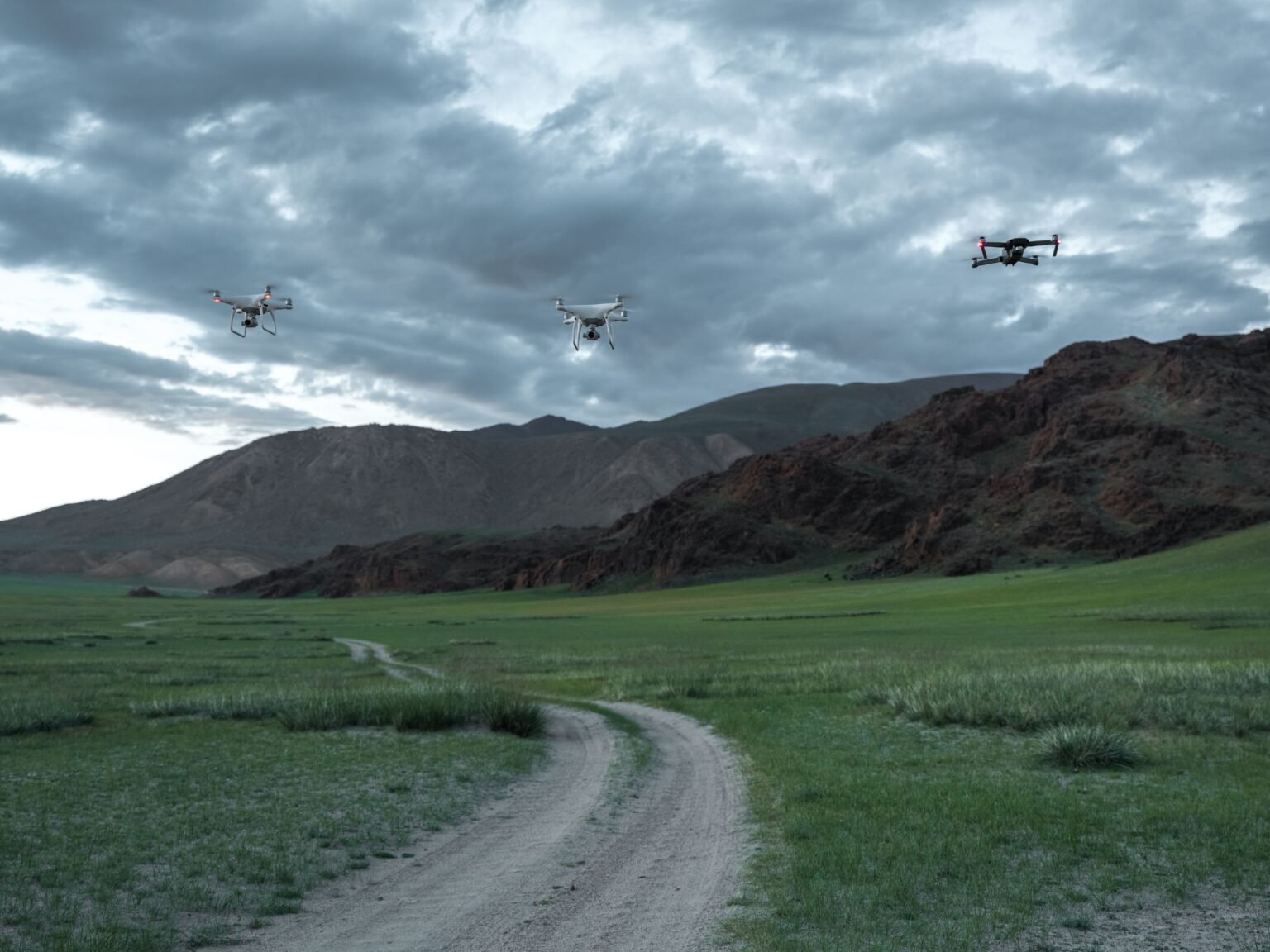
Choosing the right drone starts with understanding the type of flying you actually want to do. A drone built for smooth travel footage is very different from one designed for racing, freestyle FPV flying, indoor practice, or professional filming.
Mini drones are usually best for portability, learning the basics, and casual flying. Camera drones are better suited to photography, video, travel footage, and content creation. FPV and racing drones focus more on speed, immersion, manual control, and dynamic flying, which makes them exciting but usually harder to learn.
This guide compares the main drone types, including mini, camera, FPV, racing, and professional drones, to help you choose the right style for your needs. If you are still learning which features matter most, our guide on How to Choose the Right Drone explains camera specs, gimbals, battery life, GPS, range, and smart flight modes in more detail.
What Are The Main Types Of Drones?
The main types of drones are usually separated by how they are flown and what they are designed to do.
Mini drones are small, lightweight drones built for portability, travel, and beginner-friendly flying. Some are simple toy-style models for learning indoors, while more advanced mini drones can include stabilised cameras, GPS, and smart flight features.
Camera drones are designed mainly for aerial photos and video. They usually include better cameras, gimbals, GPS positioning, and automated flight modes, making them the most popular choice for beginners, travellers, hobbyists, and content creators.
FPV drones are flown using goggles that show a live first-person video feed from the drone. This creates a much more immersive flying experience and is popular for freestyle flying, cinematic movement, and fast manoeuvres.
Racing drones are closely related to FPV drones, but they are built specifically for speed, agility, and competitive flying. They usually prioritise performance and responsiveness over camera quality or ease of use.
Professional drones sit above normal consumer models and are designed for advanced filming, inspections, surveying, mapping, or commercial work. They usually include higher-end cameras, longer range, stronger safety systems, and more advanced controls.
📌 Drone Types Compared
Different drone types suit different pilots, budgets, and flying styles. The table below compares the main dron categories and where each one makes the most sense.
| 🚁 Drone Type | ✅ Best For | ⭐ Main Advantage | ⚠️ Main Trade-Off |
|---|---|---|---|
| Mini Drone | Beginners, travel, casual flying | Lightweight, portable, and easy to carry | Smaller models may have limited wind resistance or camera quality |
| Camera Drone | Photography, video, travel footage, content creation | Smooth footage, GPS stability, and better cameras | Usually more expensive than basic beginner drones |
| FPV Drone | Immersive flying, freestyle, cinematic movement | First-person view and dynamic flight control | Steeper learning curve than standard camera drones |
| Racing Drone | Speed, agility, competitive flying | Fast, responsive, and highly manoeuvrable | Less suited to relaxed filming or beginner use |
| Professional Drone | Commercial filming, inspections, surveying, mapping | Advanced cameras, range, and safety features | High cost and more complex operation |
Mini Drones: Best For Beginners, Travel And Casual Flying
Mini drones are usually the easiest starting point for new pilots because they are small, lightweight, and generally less intimidating than larger models. They are useful for practising basic controls, learning how drones respond in the air, and building confidence before moving to more expensive equipment.
Some mini drones are simple toy-style models designed for indoor practice or casual flying. If you’re buying for a younger pilot, our guide to the Best Drones for Kids compares some suitable beginner-friendly options. Others are more capable travel drones with stabilised cameras, GPS, smart modes, and foldable designs that make them easy to carry in a bag.
The main advantage of mini drones is portability. They are ideal for travellers, beginners, casual hobbyists, and users who want a drone that is easy to store and transport. Many are also more affordable than larger camera drones. If budget is a priority, our guide to the Best Drones Under £300 compares some popular entry-level options.
The trade-off is that smaller drones can be more affected by wind and may have shorter battery life or less advanced cameras. If your main goal is cinematic footage, a camera drone will usually be a stronger choice.
If flight time is a major consideration, our guide to Drone Battery Life Explained looks at the factors that affect runtime and battery performance.
Camera Drones: Best For Photos, Video And Content Creation
Camera drones are the best choice for most people who want smooth aerial footage, travel videos, landscape shots, or social media content. They are designed around stable flight and image quality rather than speed or aggressive manoeuvres.
Most good camera drones include GPS positioning, automated return-to-home features, stabilised gimbals, and smart flight modes that make filming much easier. This makes them suitable for beginners who want high-quality footage without learning the more demanding control style of FPV drones.
Camera drones are usually the most practical all-round option for hobbyists, travellers, and creators. They are easier to fly than racing or FPV drones, while still offering much better video performance than basic toy drones. If portability and travel photography are your priorities, our Best Camera Drones for Travel UK guide compares our top options for taking on trips. Alternatively, our Best Drones for Beginners With Camera UK guide focuses on beginner-friendly models.
The main drawback is cost. A good camera drone with a stabilised gimbal and strong image quality will usually cost more than a simple beginner model, but it is often worth it if photography or video is your main goal.
FPV Drones: Best For Immersive And Dynamic Flying
FPV drones are designed to be flown from a first-person view using goggles or a screen that shows a live video feed from the drone. This creates a much more immersive flying experience than watching the drone from the ground.
These drones are popular for freestyle flying, cinematic FPV footage, fast low-level movement, and dynamic shots that standard camera drones cannot easily capture. They can feel much more exciting to fly because the pilot experiences the flight almost as if they are inside the drone.
The trade-off is difficulty. FPV drones usually have a steeper learning curve, especially if they are flown in manual or acro mode. They require more practice, faster reactions, and a stronger understanding of drone control.
For beginners, FPV can still be appealing, but it is usually better to start with a beginner-friendly FPV model or simulator before moving to faster freestyle or racing drones. If you’re ready to take the next step, our guide to the Best FPV Drones compares some of the top options currently available for beginners and experienced pilots alike.
Racing Drones: Best For Speed And Agility
Racing drones are built for maximum speed, fast response, and sharp manoeuvrability. They are normally flown using FPV goggles and are designed for pilots who want quick reactions, tight turns, and competitive flying.
Unlike camera drones, racing drones usually prioritise performance over image quality. They are often lightweight, powerful, and highly responsive, but they are not usually the best choice for relaxed filming, travel footage, or casual beginner use.
Racing drones can be exciting, but they are also less forgiving than standard beginner drones. Crashes are more common while learning, and many pilots need to understand repairs, parts, batteries, and controller setup.
If your goal is smooth footage or easy flying, a camera drone will usually be a better choice. If you want speed, skill progression, and a more hands-on hobby, racing drones can be a much better fit.
Final Thoughts: Which Drone Type Is Best?
The best drone depends far more on how you plan to fly than simply buying the fastest or most expensive model available.
For most beginners, camera drones are usually the best starting point because they combine stable flight, strong image quality, GPS safety features, and relatively easy controls. They are ideal for travel footage, photography, content creation, and general recreational flying.
Mini drones are often the most practical option if portability and simplicity matter most. They are lightweight, easy to transport, and well suited to casual flying or learning the basics without spending heavily.
FPV and racing drones offer a very different experience. They focus more on immersion, speed, agility, and manual control rather than simple aerial photography. These drones can be extremely rewarding to fly, but they usually require more practice and a steeper learning curve.
Professional drones sit at the highest end of the market and are generally designed for commercial filming, inspections, surveying, and advanced production work rather than casual hobby use.
In many cases, the best drone is not the one with the highest specifications, but the one that matches your actual goals, experience level, and flying style. Thinking about whether you prioritise portability, cinematic footage, speed, immersive flying, or ease of use will usually narrow down the right option quickly.
If you are completely new to drones, our Beginner’s Guide to Drones and RC Models covers drone basics, regulations, flying considerations, and beginner-friendly advice in more detail.
FAQs
For most beginners, a camera drone or mini drone is usually the best option. These drones are generally easier to control, include GPS safety features, and offer a more stable flying experience than FPV or racing drones.
Camera drones focus on stable aerial photography and smooth video footage, while FPV drones are designed for immersive flying using goggles and first-person video feeds. FPV drones are usually faster and more dynamic, but also harder to learn.
Camera drones are usually the best choice for photography and video because they prioritise stabilisation, image quality, GPS positioning, and smooth flight performance.
Thank you for reading our explanation of the different drone types.
Feel free to leave a comment below if you have any thoughts or queries that you’d like us to take a look at – we’d be happy to help.