Not all appliances are equally practical to run during a power cut. While small devices like phones, routers, LED lights, and laptops can often run for hours on relatively compact backup batteries, larger appliances such as kettles, heaters, ovens, and microwaves require far more power and drain backup systems much faster.
Understanding which devices are realistic to power during an outage is important when choosing between portable power stations, generators, home batteries, or smaller emergency backup systems. In many cases, keeping essential low-power devices running is far more achievable than attempting to power an entire home.
It’s also worth thinking about which devices should be prioritised first during a blackout and how to manage outages safely in practice. Our guide on What Should You Do During a Power Cut? covers practical home backup tips in more detail.
In this guide, we’ll look at which appliances and electronics are easiest to run during a power cut, which devices require larger backup systems, and how different backup power solutions compare for emergency home use. If you want a broader overview of backup energy systems, our Backup Power for Homes guide explains portable power stations, solar backup, generators, and home battery setups in more detail.
What Matters Most During a Power Cut?
The most important thing during a power cut is usually maintaining basic safety, communication, food storage, and essential comfort rather than attempting to power an entire home.
Low-power devices are generally the easiest to support. LED lights, mobile phones, WiFi routers, laptops, radios, and small electronics consume relatively little electricity, allowing them to run for much longer on compact backup batteries or portable power stations.
Larger appliances are far more demanding. Kettles, electric heaters, ovens, microwaves, and some cooking appliances can draw thousands of watts, quickly draining smaller backup systems. Certain appliances also have high startup surges, meaning they briefly consume significantly more power when first switching on.
This is why understanding appliance wattage is so important when planning backup power. If you want a broader overview of home backup systems and energy storage options, our Backup Power for Homes guide explains portable power stations, generators, solar charging, and home batteries in more detail.
Which Devices Should Be Prioritised First?
During most power cuts, lighting and communication devices should usually be prioritised before high-power appliances.
LED lighting is one of the easiest systems to keep running because modern LEDs consume very little electricity compared to older bulbs. Rechargeable work lights, inspection lamps, and portable LED lighting can often run for many hours from relatively small battery systems.
Phones, laptops, and internet equipment are also important during outages. A small portable power station or UPS can often keep a WiFi router and mobile devices running long enough for communication, weather updates, or remote working.
Food storage is another major priority during longer outages. Fridges and freezers do not always need continuous power, but keeping them running intermittently can help prevent food spoilage. If you’re specifically planning refrigeration backup, our guide on Can a Portable Power Station Run a Fridge? explains power requirements and runtime considerations in more detail.
Heating and cooking are usually much harder to support because of their high electricity usage. In many situations, it is more practical to focus on essential low-power devices first before attempting to run larger heating appliances from battery system
Portable Power Stations vs Generators vs Home Batteries
Different backup power systems are suited to different types of appliances and outage durations.
Portable power stations are one of the most practical options for powering smaller devices such as phones, routers, laptops, lighting, and some low-power appliances. If you’re comparing models, our guide to the best portable power stations for home backup covers some of the strongest options currently available. They are quiet, easy to use indoors, and require very little maintenance compared to fuel-powered generators.
Generators are generally better suited to running high-demand appliances such as kettles, heaters, microwaves, and larger kitchen equipment over extended periods. However, they are noisier, require fuel, and must be used safely outdoors with proper ventilation.
Home battery systems are designed for more permanent backup setups. They can automatically supply power to essential household circuits during outages and are often paired with solar panels for longer-term energy resilience.
The best option depends largely on which devices you want to power and how long you need backup electricity to last. If you’re comparing different approaches in more detail, our Portable Power Station vs Generator Guide and Portable Power Station vs Home Battery Guide explain the advantages and limitations of each system.
⚡ What Can You Run During a Power Cut? Essential Device Guide
Different appliances use very different amounts of electricity during an outage. The table below highlights which devices are easiest to run, which need larger backup systems, and which appliances are most demanding during power cuts.
| 🔌 Device Type | ⚡ Typical Power Use | 🔋 Backup Difficulty | ✅ Most Suitable Backup Option |
|---|---|---|---|
| LED Lights / Torches | 5W–20W | Easy | Power bank or small power station |
| Mobile Phones | 5W–20W charging | Easy | Power bank, solar charger, or power station |
| WiFi Router | 10W–30W | Easy | UPS or compact power station |
| Laptop | 30W–100W | Moderate | Portable power station |
| Emergency Radio | Very low | Easy | Battery, USB, or hand-crank radio |
| Fridge / Freezer | 100W–800W+ surge | Moderate to hard | Large power station or generator |
| Microwave | 800W–1500W+ | Hard | High-output generator or battery system |
| Kettle | 2000W–3000W | Very hard | Generator or whole-home battery backup |
| Electric Heater | 500W–2500W | Very hard | Large backup system or alternative heating |
| Smart Security Devices | 5W–50W | Easy to moderate | UPS or compact battery backup |
How To Choose The Right Backup Power Setup
The best backup power setup depends largely on which devices you actually need to keep running during a power cut.
For short outages and basic essentials, a small portable power station is often enough. These systems are ideal for phones, routers, laptops, LED lighting, emergency radios, and other low-power electronics. They are also much quieter and easier to use indoors than traditional generators.
If your priority is running larger appliances such as fridges, freezers, cooking equipment, or heaters, you will usually need a much more capable backup system. Larger portable power stations can sometimes handle these appliances for short periods, but generators and home battery systems are generally better suited to longer runtimes and higher power demands.
Building a practical backup system also involves deciding how to prioritise devices, layer different backup options, and plan for different outage scenarios. Our Home Backup Power Setup Guide explains how to structure a more reliable backup setup for different homes and power requirements.
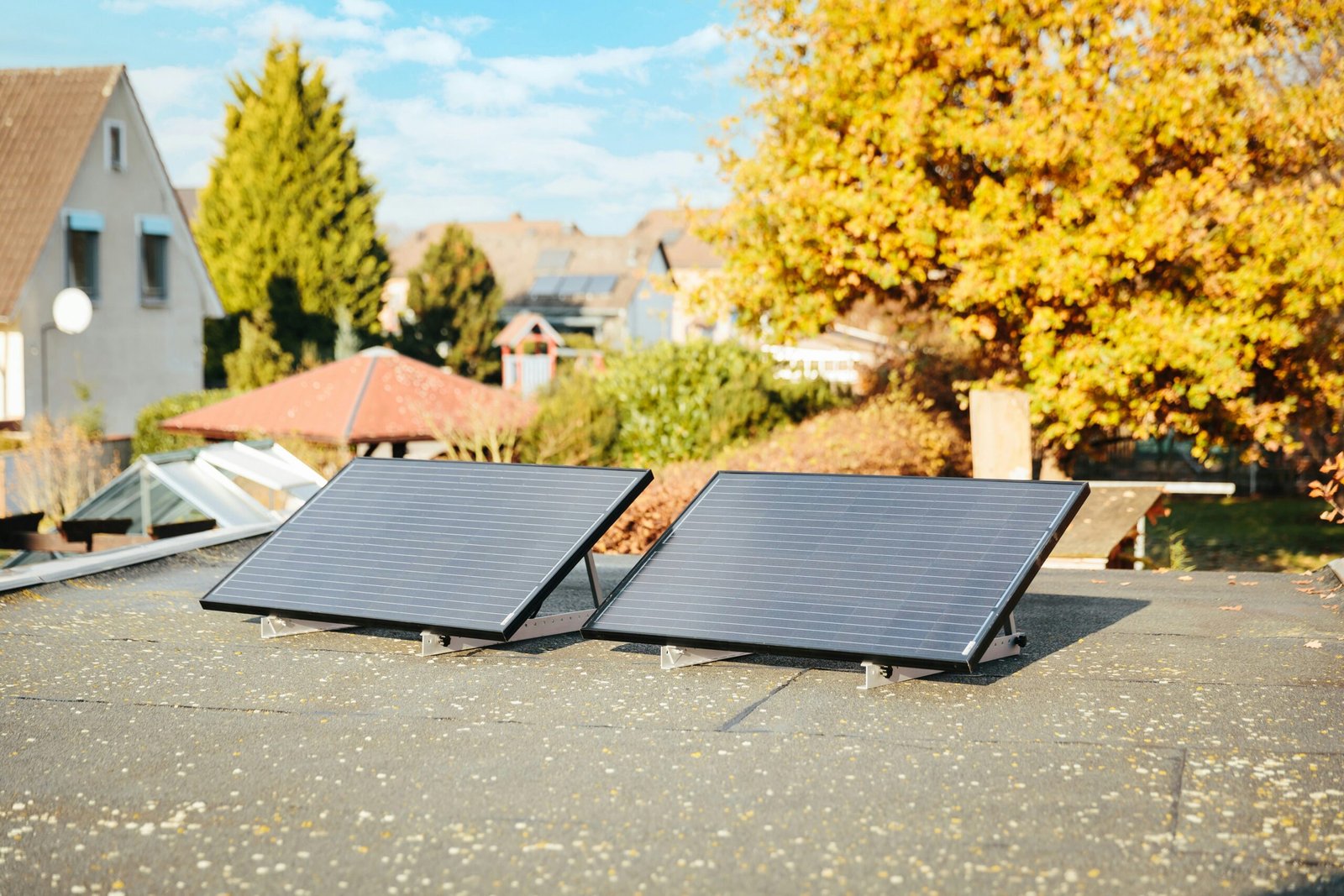
Solar charging can also play an important role during extended outages. Pairing portable power stations or home batteries with solar panels can help recharge devices without relying entirely on mains electricity or fuel supplies. If you’re interested in portable solar charging setups, our Best Portable Solar Panels For Camping UK guide covers some practical options.
It’s also important to think realistically about priorities. Trying to power every appliance in a home during an outage quickly becomes expensive and impractical. In most cases, focusing on lighting, communication, refrigeration, and a few essential devices provides the best balance between cost, efficiency, and reliability.
Final Thoughts
Not every appliance is realistic to run during a power cut, especially when using smaller backup systems. High-power devices such as kettles, heaters, ovens, and microwaves consume large amounts of electricity and usually require generators, large home batteries, or high-capacity portable power stations.
In contrast, lower-power essentials such as phones, WiFi routers, laptops, LED lighting, and radios are much easier to keep running during outages and can often operate for many hours from relatively compact battery systems.
The key is understanding which devices matter most for your household and choosing a backup system that matches those priorities realistically. For some homes, a small portable power station may be enough for emergency communication and lighting. Others may benefit from larger whole-home backup systems designed for longer outages and higher-demand appliances.
If you want a broader overview of emergency home energy systems, our Backup Power for Homes guide explains portable power stations, generators, solar charging, and home battery systems in more detail.
FAQs
Electric kettles, heaters, ovens, microwaves, and cooking appliances are usually among the most demanding household devices. Many can draw over 2000W, making them difficult to run from smaller battery systems.
Usually, yes. WiFi routers consume relatively little electricity and can often run for several hours from a small UPS or portable power station. However, internet access will still depend on whether your broadband provider’s local infrastructure remains active.
Generators are generally better for powering high-demand appliances and longer outages, while portable power stations are quieter, easier to use indoors, and better suited to smaller electronics and essential devices.
Home battery systems can provide automatic backup power for essential household circuits during outages and are particularly useful when combined with solar panels. However, they are significantly more expensive than smaller portable backup solutions.
Thanks for reading our article on what devices can be run during a powercut.
Feel free to leave a comment below if you have any thoughts or queries that you’d like us to take a look at – we’d be happy to help.