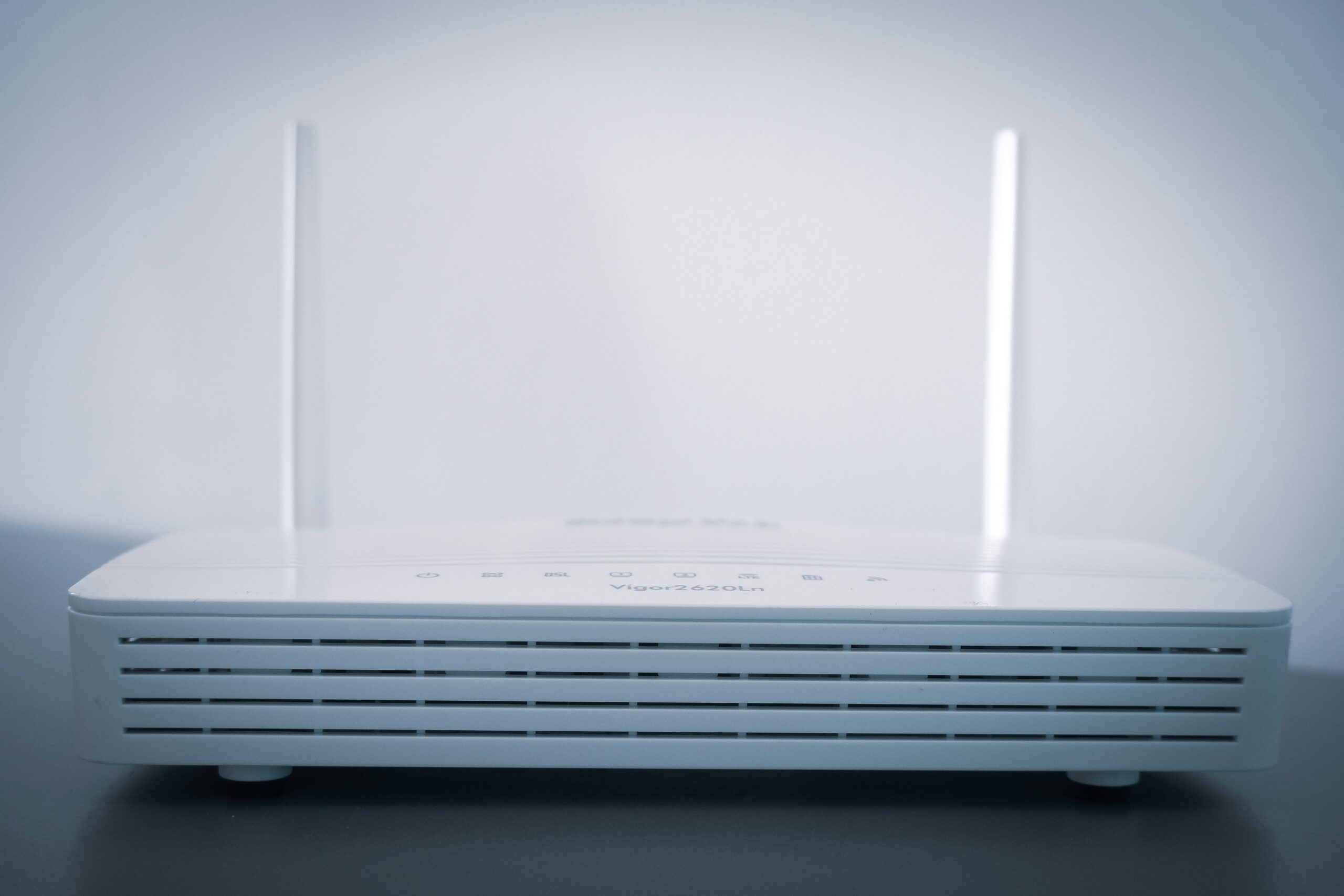
Home Wi-Fi routers are designed to run continuously, providing internet access to all of the devices in your house. Because they operate 24 hours a day, many people wonder how much electricity a router actually uses and whether it significantly affects energy bills.
In this guide we’ll explain router wattage, typical power consumption, and how much it costs to run a router over time. If you’re looking for more general information on home networking, you may want to take a look at our Home Networking Guide.
So, let’s get started.
How Much Power Does a Wi-Fi Router Use?
Most home Wi-Fi routers use between 5 and 20 watts of electricity during normal operation. This is a relatively small amount of power, especially compared with devices like televisions, gaming consoles or desktop computers.
Basic routers designed for smaller homes or apartments usually sit at the lower end of this range. These models typically have fewer antennas and simpler hardware, so they don’t require as much power to operate.
More advanced routers — particularly those built for gaming or larger households — can use slightly more electricity. These models often include faster processors, additional antennas, and support for newer wireless standards like Wi-Fi 6 or Wi-Fi 7. While these features improve network performance, they can increase overall power usage slightly.
Even so, the difference is usually fairly small. Most routers are built to be energy efficient since they are expected to run constantly in the background.
Think of it like this:
A standard Wi-Fi router uses roughly the same amount of electricity as a small LED light bulb. Because of this low power draw, routers are generally one of the most energy-efficient devices in a typical home network.
Basic Home Router
Entry-level routers typically use between 5 and 10 watts of electricity, making them one of the most energy-efficient devices in a home network.
Mid-Range Router
Most modern routers fall within the 10 to 15 watt range, balancing good wireless performance with low energy consumption.
High-Performance Router
Gaming routers and high-end Wi-Fi 6 or Wi-Fi 7 models may draw 15 to 20 watts, mainly due to stronger processors and additional antennas.
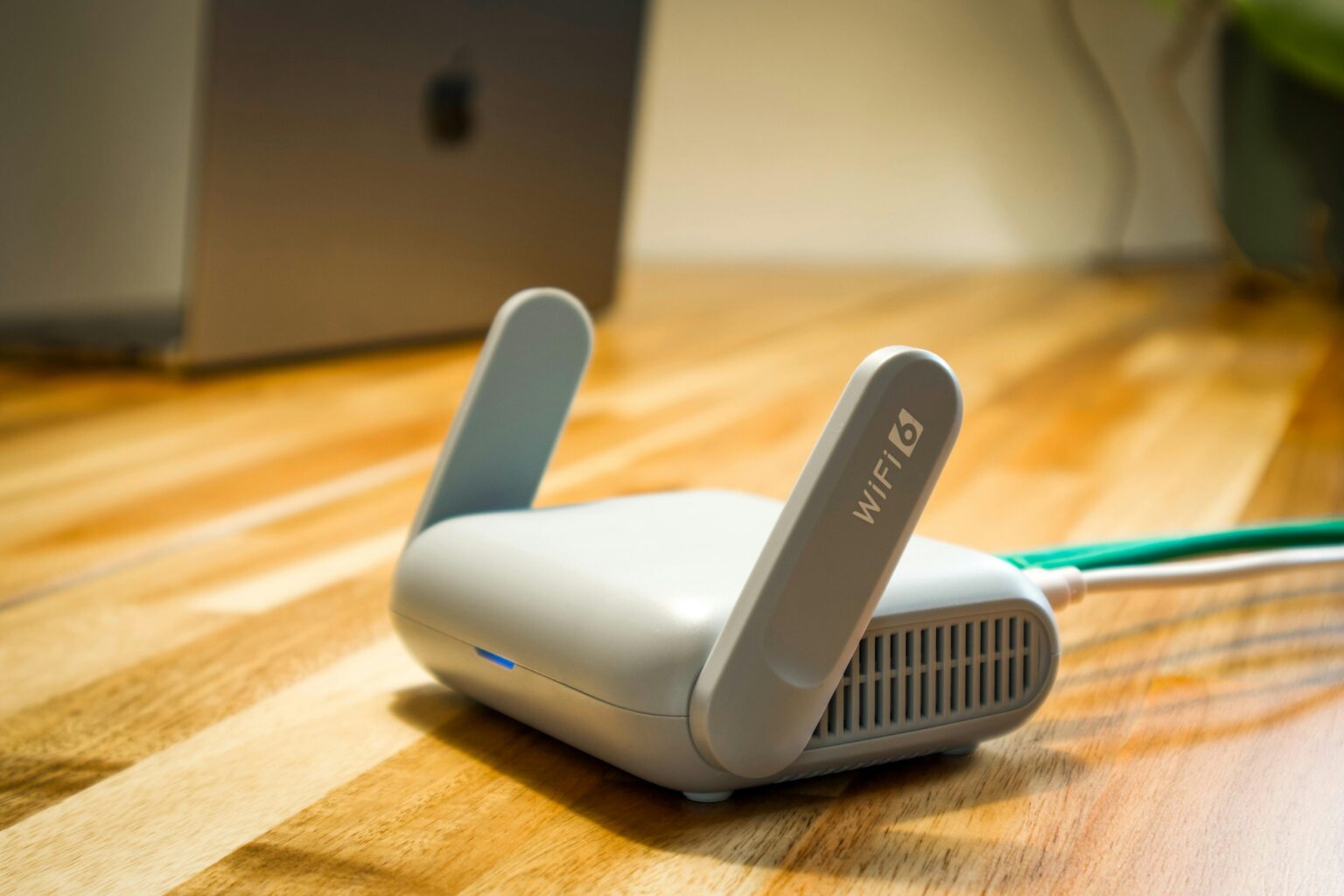
Mesh Wi-Fi Node
Individual mesh nodes usually use around 8–12 watts each, meaning a full mesh system will consume slightly more electricity overall than a single router.
| 📡 Router Type | ⚡ Typical Power Usage | 🏠 Typical Use Case |
|---|---|---|
| Basic home router | 5–10 watts | Small homes or apartments |
| Mid-range router | 10–15 watts | Average households with multiple devices |
| High-performance router | 15–20 watts | Gaming setups or large homes |
| Mesh Wi-Fi node | 8–12 watts (per node) | Extending coverage across larger homes |
Do Routers Use More Power When More Devices Are Connected?
Not significantly. Unlike computers or gaming consoles, routers are designed to handle multiple devices at once without dramatically increasing their energy consumption. Whether you have a handful of devices connected or a busy household full of phones, laptops, smart TVs and smart home gadgets, the router usually operates within roughly the same power range.
What does change is the amount of data being processed, not the electricity usage itself. A router managing more devices may work harder internally to organise traffic and maintain stable connections, but this rarely leads to a noticeable increase in power consumption.
The biggest factor influencing a router’s electricity usage is actually the hardware inside the device. Higher-end routers with faster processors, more antennas, and support for newer Wi-Fi standards can draw slightly more power than simpler models.
For most homes, though, the difference between serving a few devices and dozens of connected devices is very small when it comes to overall energy use.
How Much Does It Cost to Run a Router?
Because routers use relatively little electricity, the cost of running one is usually quite low.
A typical home router using around 10 watts of power will consume roughly 87 kilowatt-hours (kWh) of electricity per year if left running continuously. Based on average UK electricity prices, this works out to roughly £20–£30 per year.
Even larger routers with more advanced features rarely exceed 15–20 watts, which means the yearly running cost typically stays under £40.
In practical terms, leaving your router on all day has a very small impact on overall household energy usage, which is why most people simply leave it running at all times to maintain a stable internet connection.
5 Watt Router
A low-power router using around 5 watts will consume approximately 44 kWh of electricity per year, costing roughly £12 annually based on average UK electricity prices.
10 Watt Router
A typical home router operating at around 10 watts will use about 87 kWh per year, which works out to roughly £24 annually.
15 Watt Router
Higher-performance routers drawing around 15 watts will consume approximately 131 kWh of electricity per year, costing roughly £36 annually.
20 Watt Router
Powerful routers using around 20 watts may consume about 175 kWh annually, resulting in an estimated £49 yearly electricity cost.
| ⚡ Router Power | 🔋 Yearly Energy Use | 💷 Est. Annual Cost (UK) |
|---|---|---|
| 5 watts | ~44 kWh | ~£12 |
| 10 watts | ~87 kWh | ~£24 |
| 15 watts | ~131 kWh | ~£36 |
| 20 watts | ~175 kWh | ~£49 |
Do Mesh Wi-Fi Systems Use More Electricity?
Mesh Wi-Fi systems can use slightly more electricity than a single router because they include multiple nodes placed around your home. Each node works like a small router, helping extend the signal so that Wi-Fi coverage reaches every room.
One node connects directly to your modem, while the others communicate wirelessly with it to expand coverage across the house. Because each of these nodes has its own processor and antennas, they all draw a small amount of power.
Even so, the difference in energy use is still relatively small. Most mesh nodes use roughly 8–12 watts each, meaning a typical mesh system will consume more electricity overall than a single router but still remain quite energy efficient.
Mesh systems are generally worth the slightly higher power usage if they solve issues like weak signals or dead zones in larger homes.
If you’re unsure whether a mesh system or a traditional router is better for your home, our guide on Mesh Wi-Fi vs Routers explains the key differences in coverage, performance, and setup.
How to Reduce Router Energy Usage
Even though routers already use very little electricity, there are a few simple ways to keep your network running efficiently.
For example, disabling features that you don’t use can slightly reduce processing load. Some routers also allow you to adjust wireless power levels or turn off unused frequency bands.
Other small improvements include placing the router in a cool, well-ventilated location and avoiding stacking it with other electronics that produce heat. This helps the device operate efficiently and can extend its lifespan.
While these changes won’t dramatically reduce electricity consumption, they can help ensure your router runs smoothly and reliably over the long term.
Final Thoughts
Home Wi-Fi routers are designed to run continuously while using very little electricity. Most models consume between 5 and 20 watts, which keeps yearly energy costs relatively low even when the router is left on all day.
Factors such as router performance, wireless standards, and mesh systems can increase power usage slightly, but the difference is usually small compared with most other electronics in the home.
For most households, the benefits of maintaining a stable internet connection far outweigh the minimal energy cost of running a router continuously. If you’re upgrading your network hardware, choosing an efficient router can help improve both performance and coverage without significantly affecting your electricity usage.
FAQs
Most home Wi-Fi routers use between 5 and 20 watts of power during normal operation. Basic routers typically sit at the lower end of this range, while high-performance or gaming routers may use slightly more.
No. Routers are among the most energy-efficient devices in the home. Even when running continuously, most routers only cost around £20–£40 per year in electricity.
Mesh systems can use slightly more electricity because they include multiple nodes placed around the home. Each node typically consumes 8–12 watts, but overall energy use is still relatively low compared with other household electronics.
Thank you for reading our guide to mesh wi-fi versus routers for home networking.
If you want more information, check out our other articles on Networking and Connectivity.
Feel free to leave a comment below if you have any thoughts or queries that you’d like us to take a look at – we’d be happy to help.