Backup power is becoming increasingly important for UK households, whether you’re dealing with occasional outages or looking to reduce reliance on the grid. From keeping your WiFi running to powering essential appliances, having the right setup can make a significant difference.
There are now several ways to approach backup power. Portable power stations offer a flexible, plug-and-play solution for running key devices. Home battery systems provide a more permanent setup with higher capacity. Solar-compatible options can also help you generate and store your own energy for greater independence.
The challenge is choosing the right approach for your needs. Some setups are better suited to short power cuts, while others are designed for longer-term backup or partial off-grid use. If you’re unsure how portable and fixed systems compare, it’s worth starting with our guide to portable power stations vs home batteries.
In this guide, we’ll break down how backup power works, the main options available, and how to choose a setup that fits your home.
Backup Power Options at a Glance
The main difference between backup power solutions is how much energy they can store and how they’re used in practice. Some are designed for flexibility and ease of use, while others are built for higher capacity and more consistent coverage.
In simple terms, portable power stations are best for convenience and occasional use, while home batteries are better for more complete home backup. Solar-compatible systems sit somewhere in between, offering flexibility with the option to generate your own power.
If you’re looking for specific product recommendations, see our guide to the best portable power stations for home backup in the UK.
| 🔋 Option | ⚡ Capacity | 🏠 Best For | ⭐ Key Advantage |
|---|---|---|---|
| Portable Power Station | Low to medium | Short outages, essential devices | Flexible and easy to use |
| Home Battery | High | Whole-home or multi-device backup | Higher capacity and automation |
| Solar Generator | Medium (expandable) | Off-grid or extended backup | Can recharge using solar panels |
What Is Backup Power and How Does It Work?
Backup power systems store electricity so it can be used when your main power supply is unavailable. This could be during a power cut, when using equipment away from mains power, or when trying to reduce reliance on the grid.
At a basic level, all backup systems rely on a battery. The difference is how that battery is used and integrated into your home.
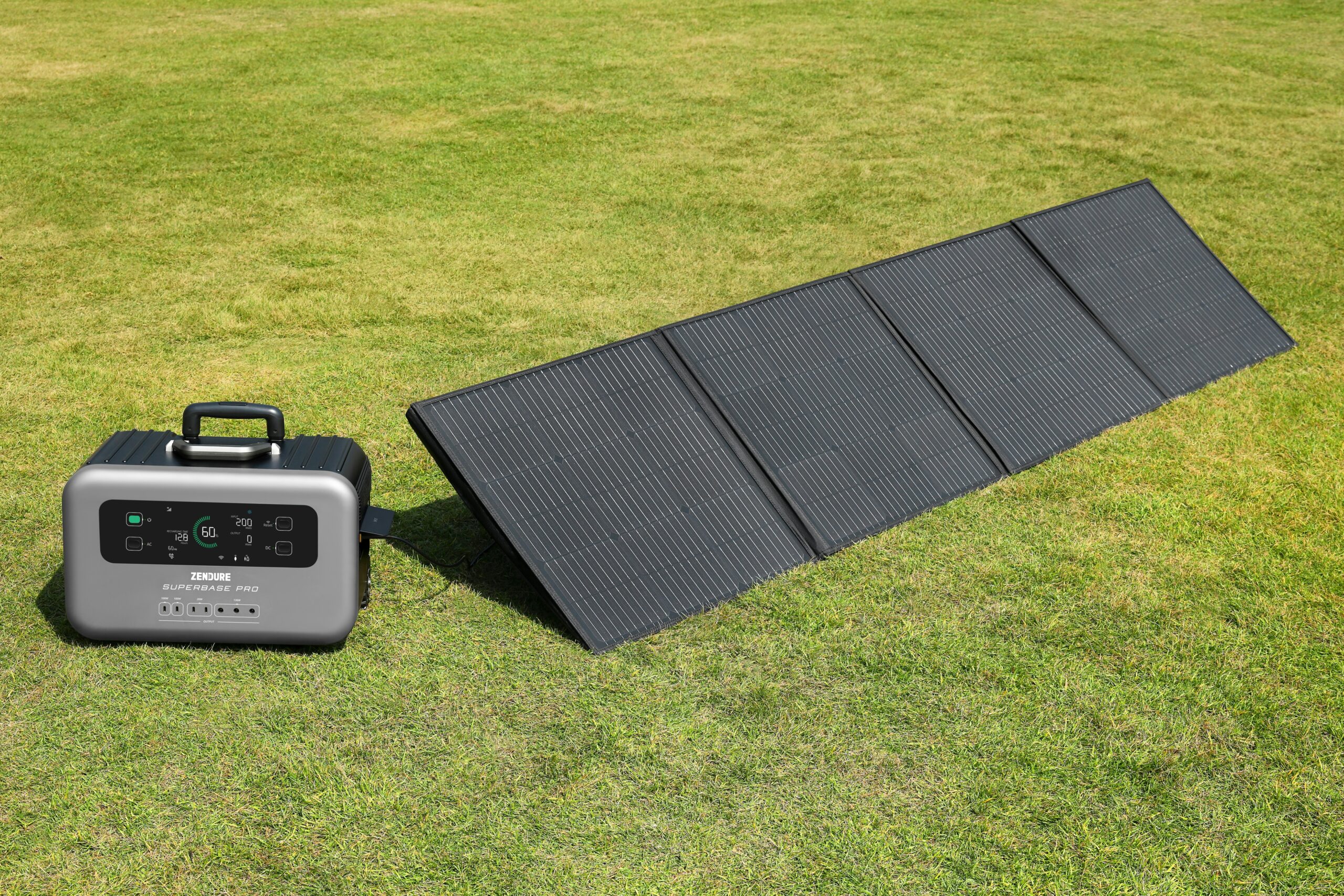
Portable power stations are self-contained units. You charge them from a wall socket or solar panel, then plug devices directly into them when needed. This makes them a straightforward option for powering essentials like routers, lighting and small appliances.
Home battery systems are installed as part of your home’s electrical setup. They store energy from the grid or solar panels and can automatically supply power to selected circuits during an outage. This allows them to support more devices and run for longer periods.
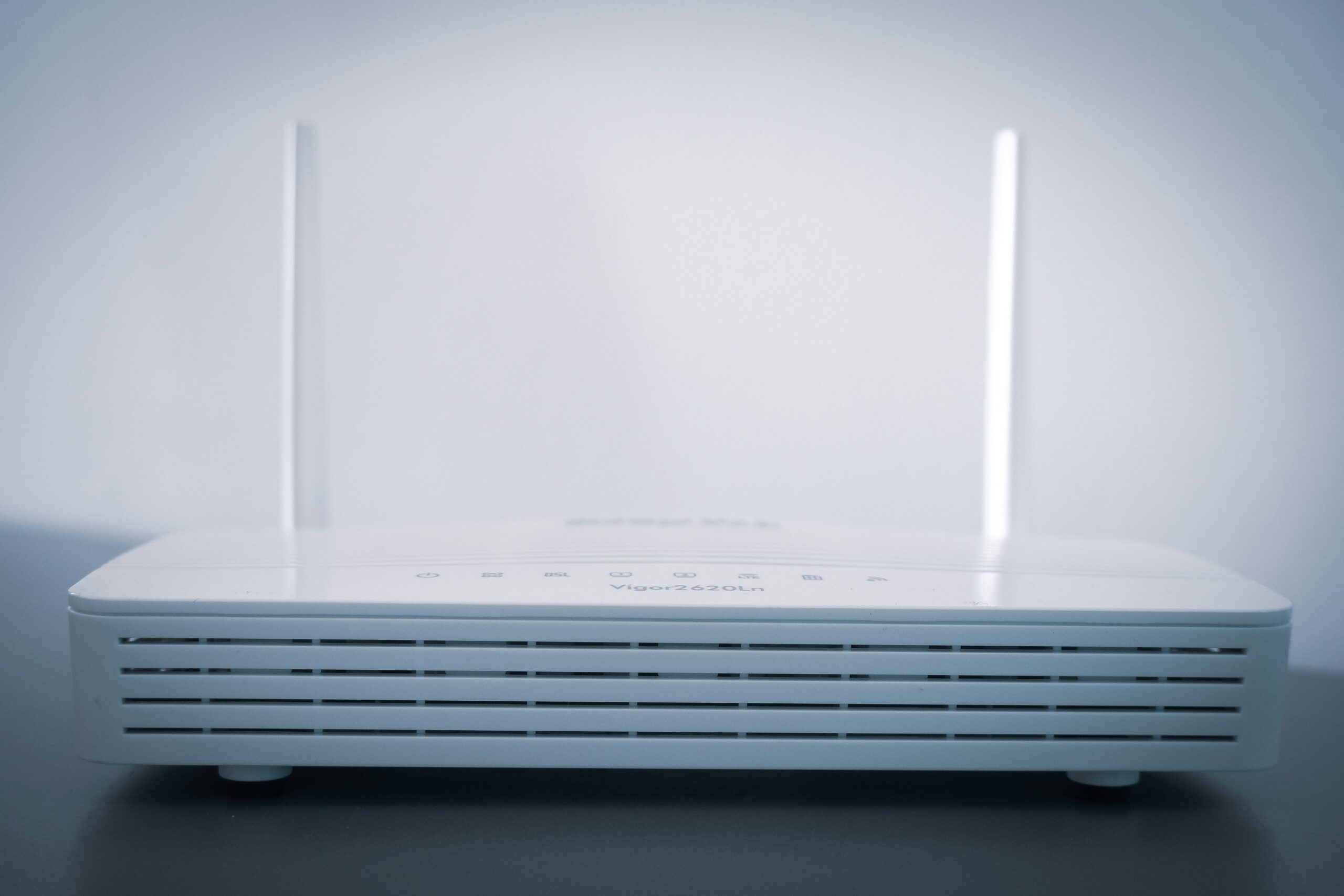
Understanding how much power your devices use is also important when choosing a setup. For example, something as simple as a router uses relatively little energy, which is why smaller systems can often keep it running during an outage.
Portable Power Stations: Flexible Backup for Everyday Use
Portable power stations are one of the most accessible ways to add backup power to your home. They are self-contained units that store electricity and allow you to plug devices directly into them when needed.
They’re particularly useful for short outages or running essential devices. For example, they can keep your WiFi router online, power lighting, charge phones and laptops, or run small appliances for a limited time. Because they don’t require installation, they’re easy to set up and can be used anywhere in the home.
Another advantage is flexibility. Unlike fixed systems, portable units can be moved between rooms or even taken outside the home for use in a workshop, garden or while travelling. This makes them a practical option if you want backup power without committing to a permanent setup.
However, they do have limitations. Capacity is lower compared to home battery systems, which means they are better suited to targeted use rather than powering large appliances or entire circuits.
If you want to compare real options, take a look at our guide to the best portable power stations for home backup, where we break down what different models can realistically handle.
Home Battery Systems: Higher Capacity Backup
Home battery systems are designed for a more integrated approach to backup power. Instead of powering individual devices, they connect to your home’s electrical system and can supply energy to selected circuits during an outage.
This allows them to support more demanding setups. Depending on the configuration, a home battery can keep multiple rooms powered, run larger appliances, and provide backup for longer periods. Many systems can also work alongside solar panels, storing excess energy for later use.
The main advantage is consistency. Once installed, the system can automatically switch on during a power cut, which removes the need to manually plug devices into a separate unit. This makes it a better option for users who want a more seamless backup solution.
The trade-off is cost and complexity. Installation is required, and the overall investment is higher compared to portable options. For a more detailed comparison of how these systems differ in practice, see our guide to portable power stations vs home batteries.
Solar and Off-Grid Backup Options
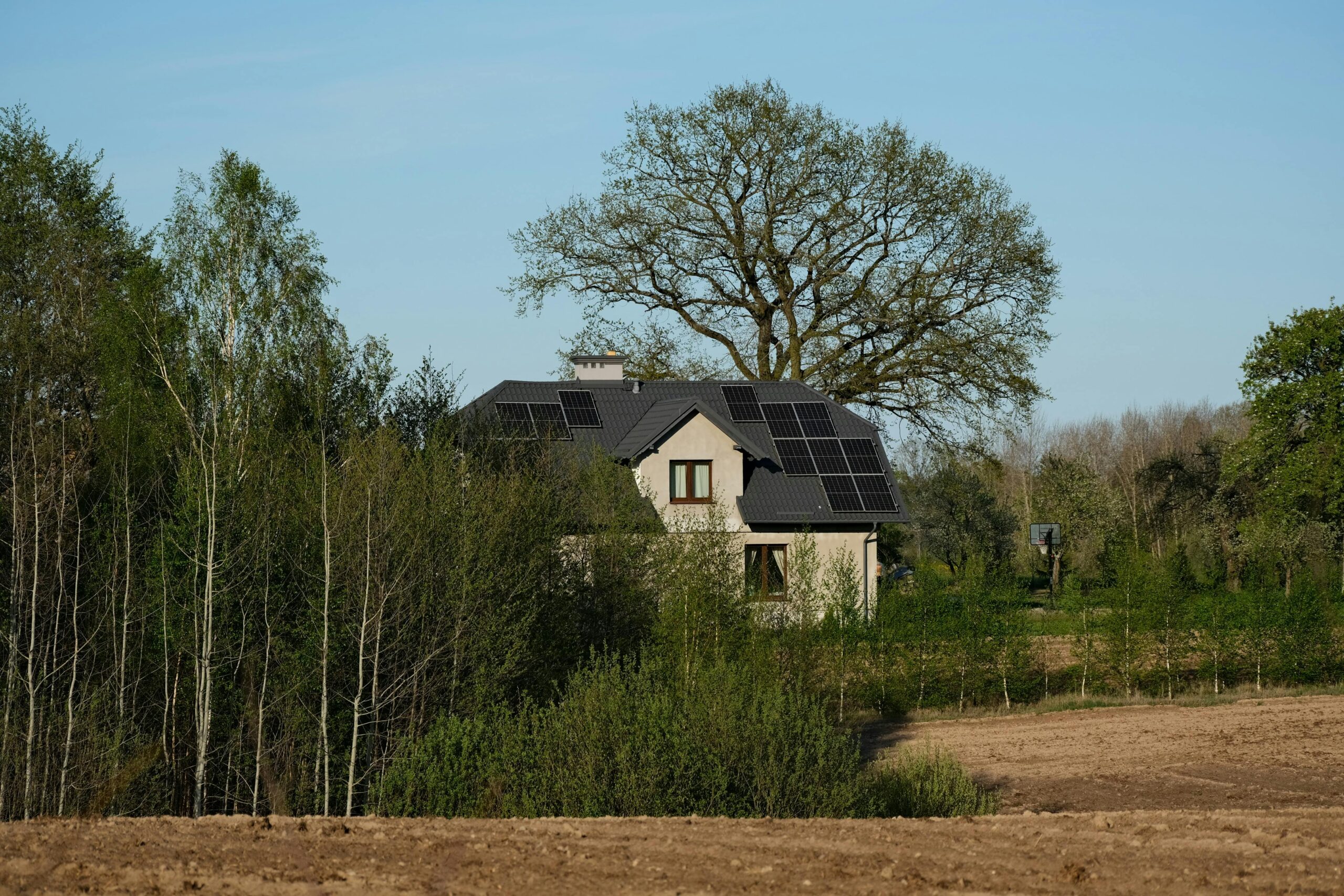
Solar-compatible systems add another layer to backup power by allowing you to generate your own electricity. This can be done by pairing solar panels with either a portable power station or a home battery system.
With a portable setup, solar panels can be used to recharge the unit during the day, extending its runtime without relying entirely on mains power. This is particularly useful during longer outages or in situations where access to the grid is limited.
Home battery systems can also integrate with solar panels, storing excess energy generated during the day for use at night or during power cuts. This approach is more suited to long-term energy independence rather than occasional backup.
Solar options are often associated with off-grid living, but they can also be used more simply to improve resilience. Even a small solar setup can help keep essential devices running for longer if an outage continues beyond what your stored power alone can handle.
Choosing the right solar setup depends on how much energy you need to generate and how you plan to use it, whether that’s extending backup time or reducing reliance on the grid over time.
How to Choose the Right Backup Power Setup
Choosing the right backup power setup comes down to how much power you need and how long you need it for.
If your priority is keeping essential devices running during short outages, such as your router, lighting and phone charging, a portable power station is usually enough. These are simple to use, require no installation and are well suited to occasional use.
If you need to run more devices or maintain power for longer periods, capacity becomes more important. In this case, a larger system or a home battery may be a better fit, particularly if you want a more consistent backup solution.
It’s also worth thinking about how often you expect to rely on backup power. For occasional outages, flexibility and simplicity tend to matter more. For regular use or longer interruptions, a more permanent setup can offer better reliability and coverage.
In most cases, the right choice isn’t the most powerful system, but the one that matches your actual usage. Focusing on what you need to keep running and for how long will help narrow down the best option.
Final Thoughts: Which Is Better for Backup Power?
The best backup power solution depends on how much coverage you need and how you plan to use it.
Portable power stations are the most practical starting point for most homes. They’re affordable, easy to use and ideal for keeping essential devices running during short outages. If your priority is flexibility and simplicity, they’re often the best fit.
Home battery systems are better suited to more demanding setups. They provide higher capacity, can power multiple circuits and offer a more seamless experience during outages. For long-term backup or integration with solar, they’re the more capable option.
Solar-compatible systems add another layer of resilience by allowing you to generate and store your own energy. This can extend backup time and reduce reliance on the grid, particularly when paired with a suitable battery system.
For most users, it’s not about choosing the most powerful system, but the one that matches real-world needs. If you only need to keep a few essentials running, a simpler setup will often be more than enough. If you want broader coverage or longer runtime, a more advanced system may be worth considering.
FAQs
The best option depends on your needs. Portable power stations are ideal for short outages and essential devices, while home batteries are better for powering larger parts of your home over longer periods.
This depends on the system’s capacity and what you’re running. Smaller portable units may last a few hours for essential devices, while larger systems or home batteries can provide backup for much longer depending on usage.
In most cases, no. Portable power stations are designed to run essential devices rather than power an entire home. Some higher-capacity models can temporarily support multiple appliances or parts of your home, but this is usually only for short periods.
For longer outages or full-home backup, a home battery or generator system is typically the more suitable option.
Thanks for reading our article on the best backup power system for homes.
Feel free to leave a comment below if you have any thoughts or queries that you’d like us to take a look at – we’d be happy to help.