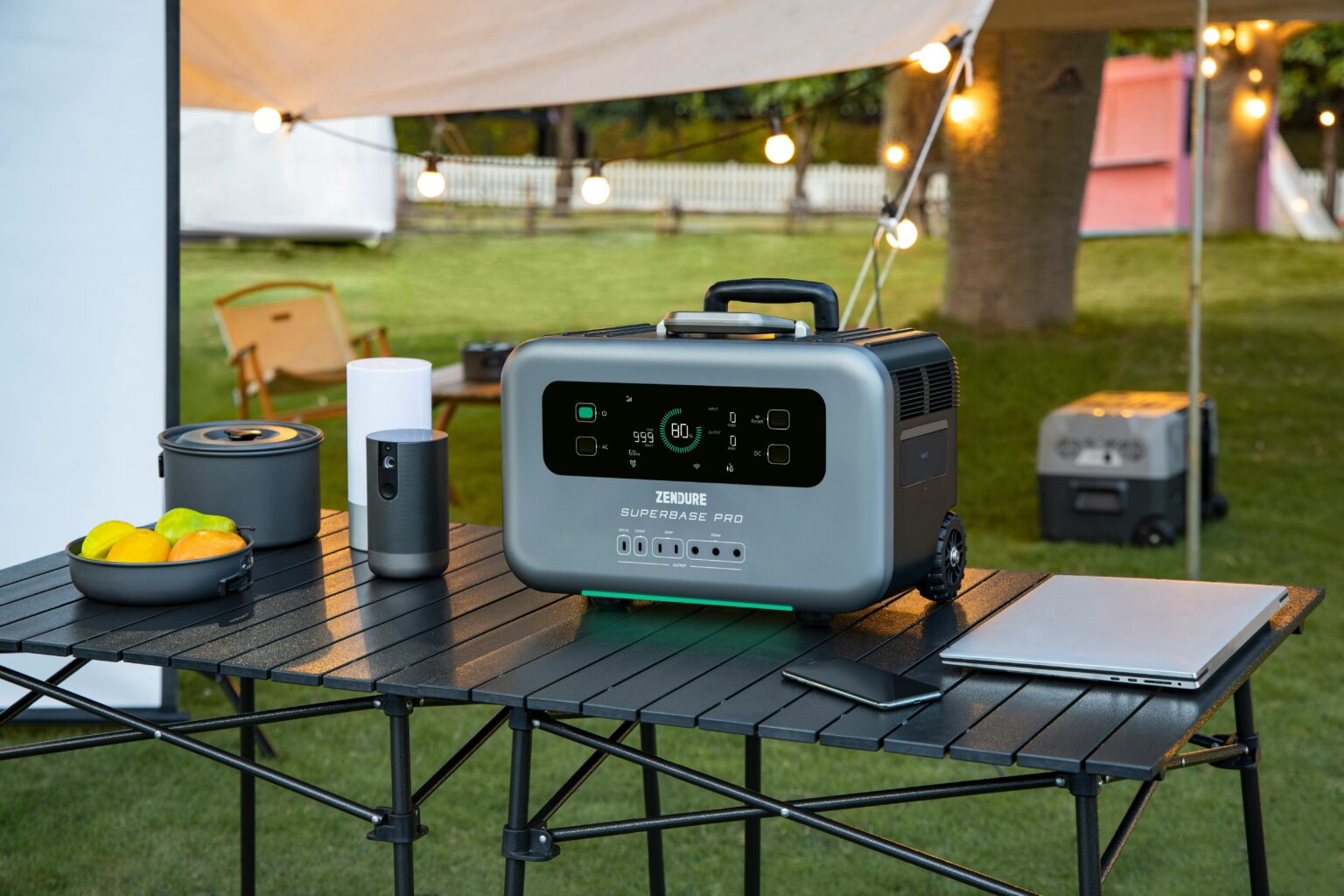
Choosing the right size portable power station is one of the most important factors when buying a backup power solution. Go too small, and you may not be able to run the devices you need. Go too large, and you could end up paying more than necessary for capacity you rarely use.
The right size depends on what you want to power and how long you need it to run. For some users, it’s about keeping essentials like a router and lighting running during short outages. For others, it may involve powering multiple devices or running appliances for longer periods.
For a broader overview of how different backup solutions compare, see our guide to backup power for homes.
Portable power stations are designed to cover a wide range of use cases, from light backup to more demanding setups. Understanding how capacity works and how it relates to real-world usage will help you choose a system that fits your needs.
So, let’s get started.
Portable Power Station Sizes at a Glance
Portable power stations are typically measured in watt-hours (Wh), which indicates how much energy they can store. Higher capacity means longer runtime and the ability to support more devices.
In simple terms, smaller units are best for charging devices and short-term use, while larger systems are better suited to running multiple devices or handling longer outages.
If you want to compare real options across these size ranges, take a look at our guide to the best portable power stations for home backup.
| 🔋 Size Range | ⚡ Capacity | 🏠 Best For | 🔌 Typical Devices |
|---|---|---|---|
| Small | 150–300Wh | Light backup, travel | Phones, tablets, small lights |
| Medium | 300–700Wh | Essential home backup | Router, laptop, lighting, TV |
| Large | 700–1500Wh | Extended backup | Fridge (short-term), multiple devices |
| Extra Large | 1500Wh+ | High-demand use | Appliances, longer outages |
How to Calculate What Size You Need
The best way to choose the right size is to look at how much power your devices use and how long you want to run them.
Start by identifying the devices you want to power. Common examples include routers, lighting, laptops, televisions and small appliances. Each device has a wattage rating, which tells you how much power it consumes.
Next, estimate how long you want to run each device. Multiply the wattage by the number of hours to calculate how much energy is required. This gives you a rough idea of the total capacity you need from a portable power station.
For example, a WiFi router typically uses a relatively small amount of power, which means even a smaller unit can keep it running for several hours. Larger devices, such as fridges or heaters, require significantly more energy and will need a higher-capacity system.
It’s also worth allowing some margin above your calculated needs. This helps account for inefficiencies and ensures you’re not running the system at its limit.
Understanding these basics makes it much easier to match a portable power station to your actual usage rather than relying on rough estimates.
What Size Do You Need for Common Use Cases?
The right size often becomes clearer when you look at real-world scenarios rather than just capacity figures.
For basic backup, such as keeping your WiFi router, phone and lighting running during a short outage, a smaller unit is usually enough. These setups use relatively little power and don’t require a large battery to last several hours.
For more typical home use, such as running a TV, laptop and multiple devices at the same time, a mid-range power station is a better fit. This provides enough capacity to handle everyday usage without running out too quickly.
If you plan to run appliances like a fridge, you’ll need a larger system. While some portable power stations can support this, it’s usually only for a limited time, and smaller units will drain quickly under this kind of load.
For longer outages or more demanding setups, higher-capacity systems offer more flexibility. These are better suited to running multiple devices at once or maintaining backup power over extended periods.
How Runtime Affects the Size You Need
Capacity determines how long your devices will run, not just whether they can be powered.
Even a small portable power station can run low-power devices, but only for a limited time. As usage increases, runtime decreases quickly, especially when running multiple devices at once.
For example, running a router and a few lights may only use a small amount of energy, allowing a medium-sized unit to last for many hours. In contrast, running appliances such as a fridge or kettle will drain the battery much faster, even on larger systems.
This is why it’s important to think about both power and duration. A setup that works for short outages may not be suitable for longer interruptions if the capacity is too low.
If you’re unsure how long different sizes will realistically last, it helps to compare real-world performance across different models in our guide to the best portable power stations for home backup.
When to Choose a Larger System
Choosing a larger portable power station is usually about flexibility rather than necessity.
If you expect longer outages, want to run multiple devices at once, or need to support higher-power appliances, a larger system gives you more headroom. It also reduces the need to carefully manage usage, which can be important during unexpected power cuts.
Larger systems are also more suitable if you plan to expand your setup over time. For example, adding more devices or using the system more frequently may make a higher-capacity option more practical in the long run.
However, bigger isn’t always better. Larger units are more expensive, heavier and may offer more capacity than you actually need. For many users, a mid-range option provides the best balance between cost, performance and usability.
The goal is to choose a system that comfortably meets your needs without significantly exceeding them.
How to Choose the Right Backup Power Setup
Choosing the right backup power setup comes down to how much power you need and how long you need it for.
If your priority is keeping essential devices running during short outages, such as your router, lighting and phone charging, a portable power station is usually enough. These are simple to use, require no installation and are well suited to occasional use.
If you need to run more devices or maintain power for longer periods, capacity becomes more important. In this case, a larger system or a home battery may be a better fit, particularly if you want a more consistent backup solution.
It’s also worth thinking about how often you expect to rely on backup power. For occasional outages, flexibility and simplicity tend to matter more. For regular use or longer interruptions, a more permanent setup can offer better reliability and coverage.
In most cases, the right choice isn’t the most powerful system, but the one that matches your actual usage. Focusing on what you need to keep running and for how long will help narrow down the best option.
Final Thoughts: Choosing the Right Size
Choosing the right size portable power station comes down to matching capacity with your actual needs.
For most users, a smaller or mid-range unit is enough to keep essential devices running during short outages. These setups are more affordable, easier to manage and still provide reliable backup for everyday use.
Larger systems become more useful when you need to run appliances, power multiple devices at once or maintain backup for longer periods. They offer more flexibility but come with higher cost and weight.
The key is to focus on what you realistically need to power and for how long. A well-sized system will comfortably cover your usage without being pushed to its limits, while avoiding unnecessary cost.
If you want to compare real options across different size ranges, take a look at our guide to the best portable power stations for home backup.
FAQs
For basic backup, a 300–700Wh unit is usually enough to run essentials like a router, lighting and small devices. For running multiple devices or appliances, larger systems of 1000Wh or more are typically required.
Wattage determines what devices you can run at once, while capacity (Wh) determines how long they will run. Most households need a unit with enough output to handle combined device usage, along with sufficient capacity for the desired runtime.
A 500Wh power station is suitable for light to moderate use. It can run devices like laptops, routers and lighting for several hours, but may not be sufficient for larger appliances or extended outages.
Thanks for reading our article on the optimal sizing for portable power stations.
Feel free to leave a comment below if you have any thoughts or queries that you’d like us to take a look at – we’d be happy to help.