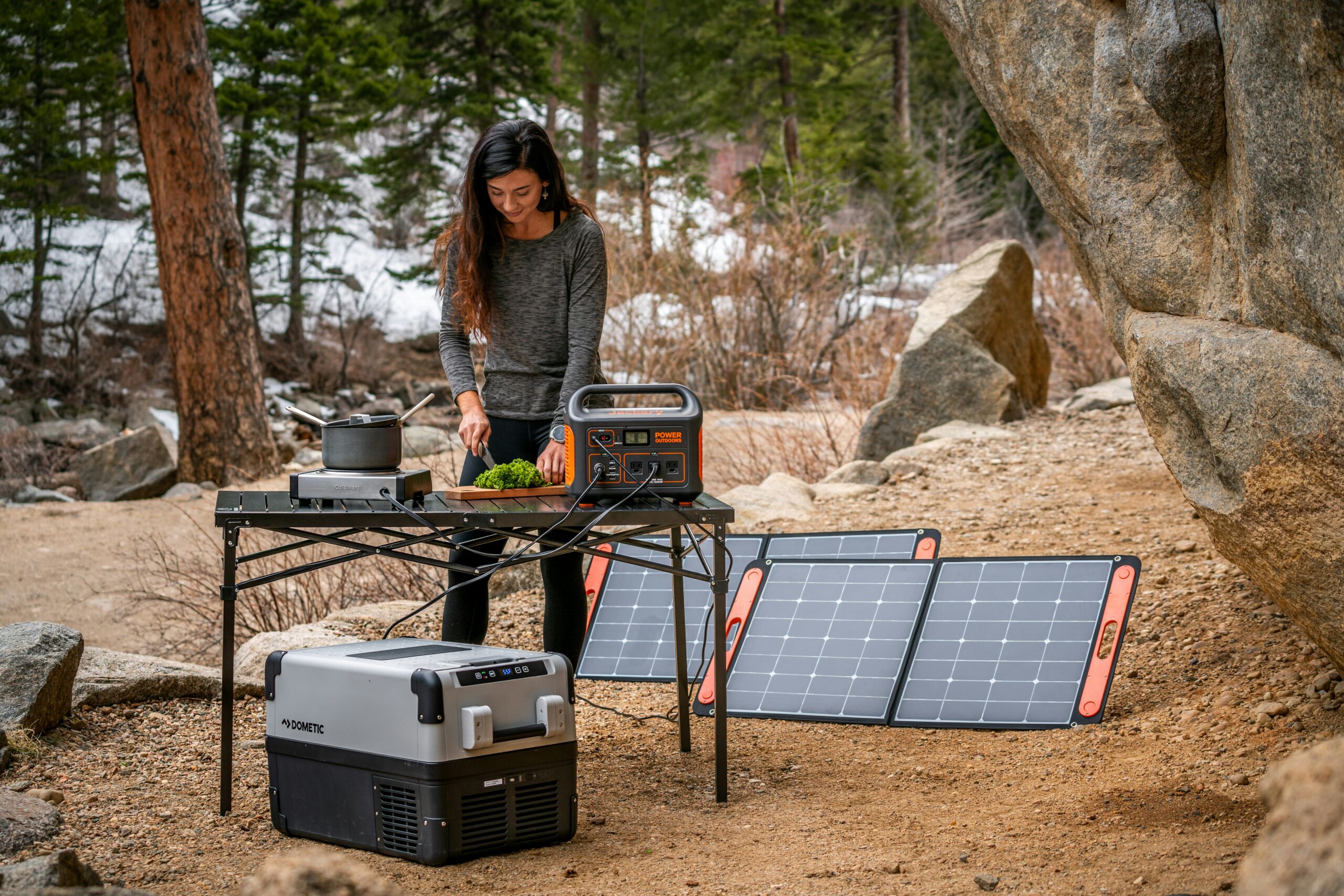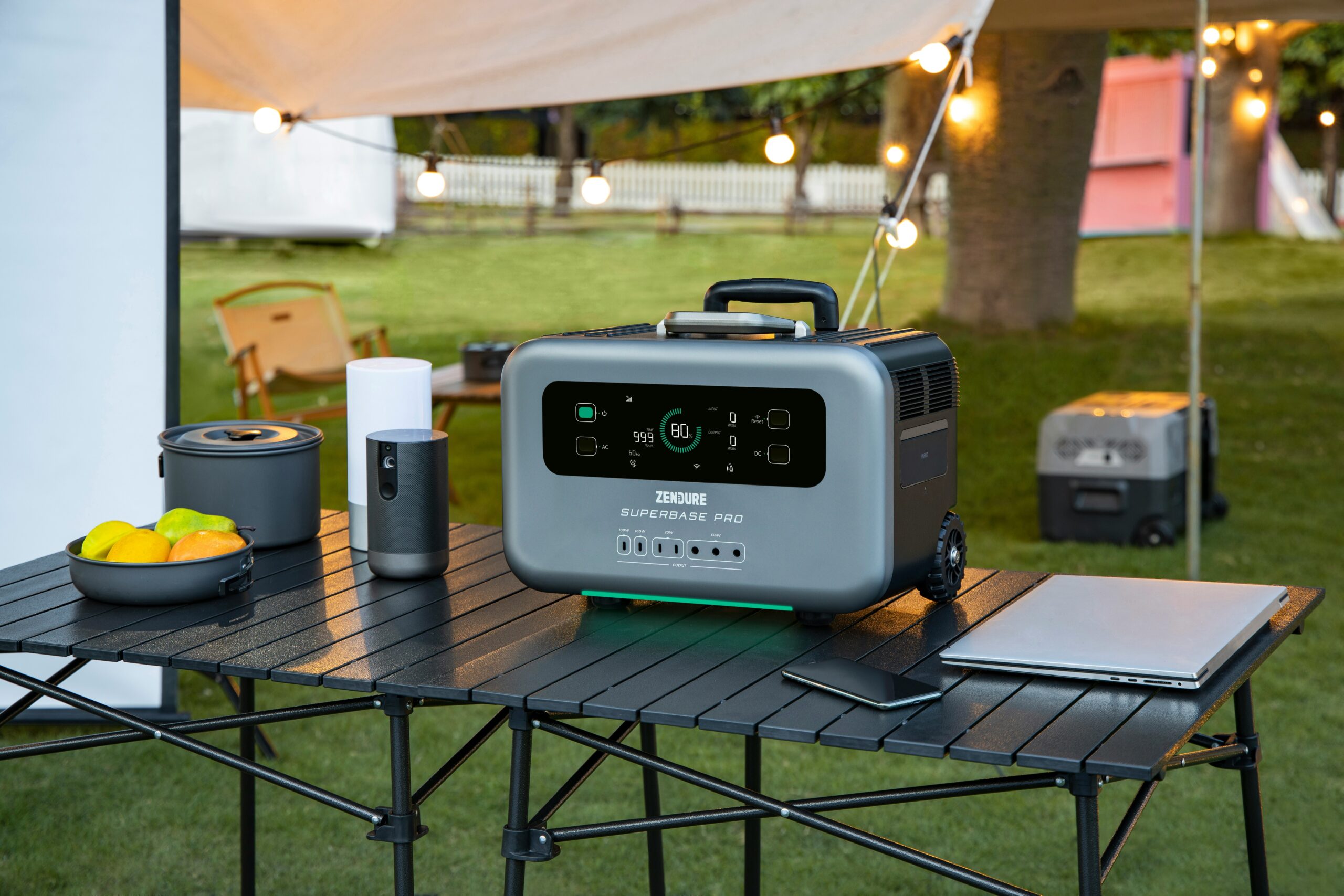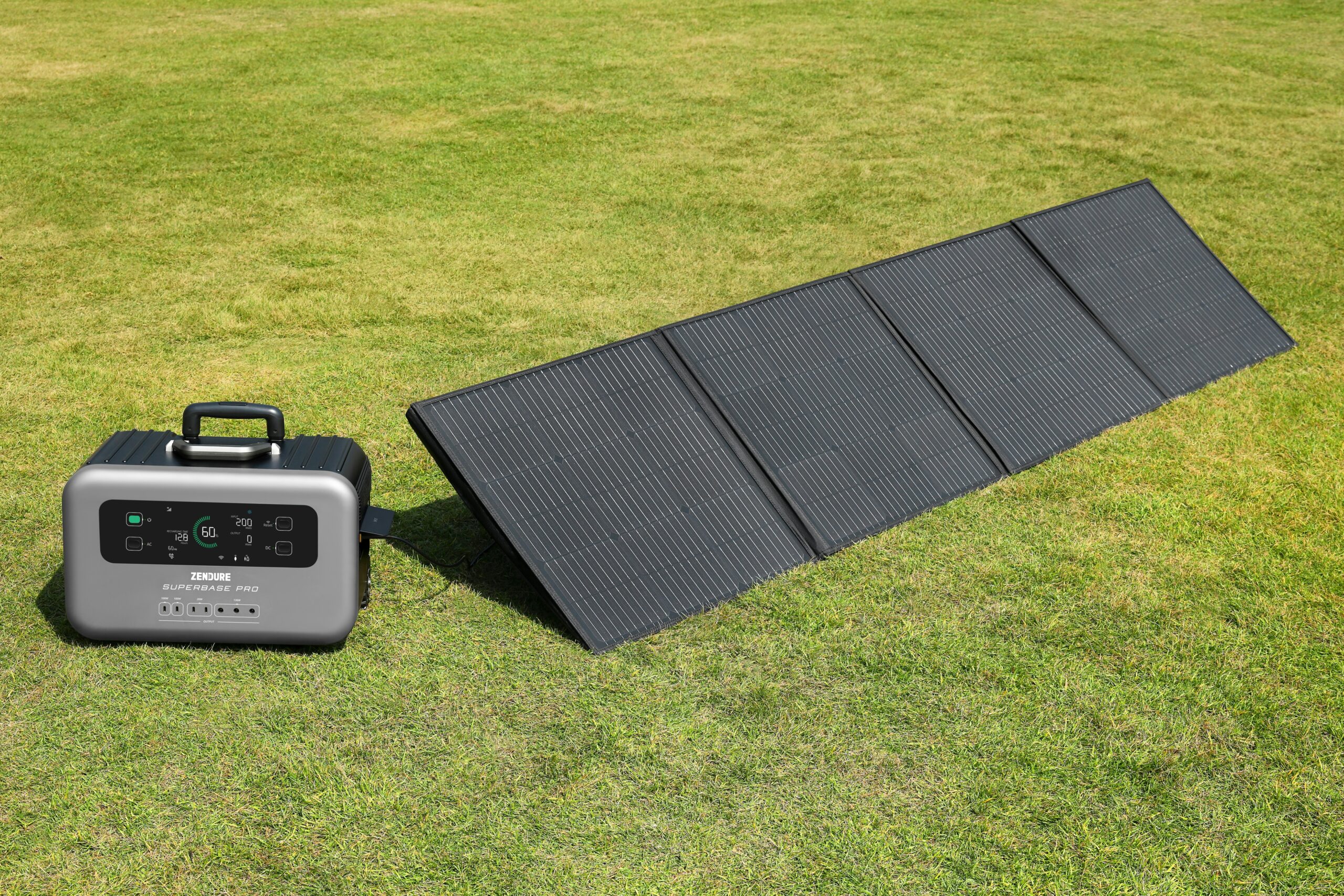
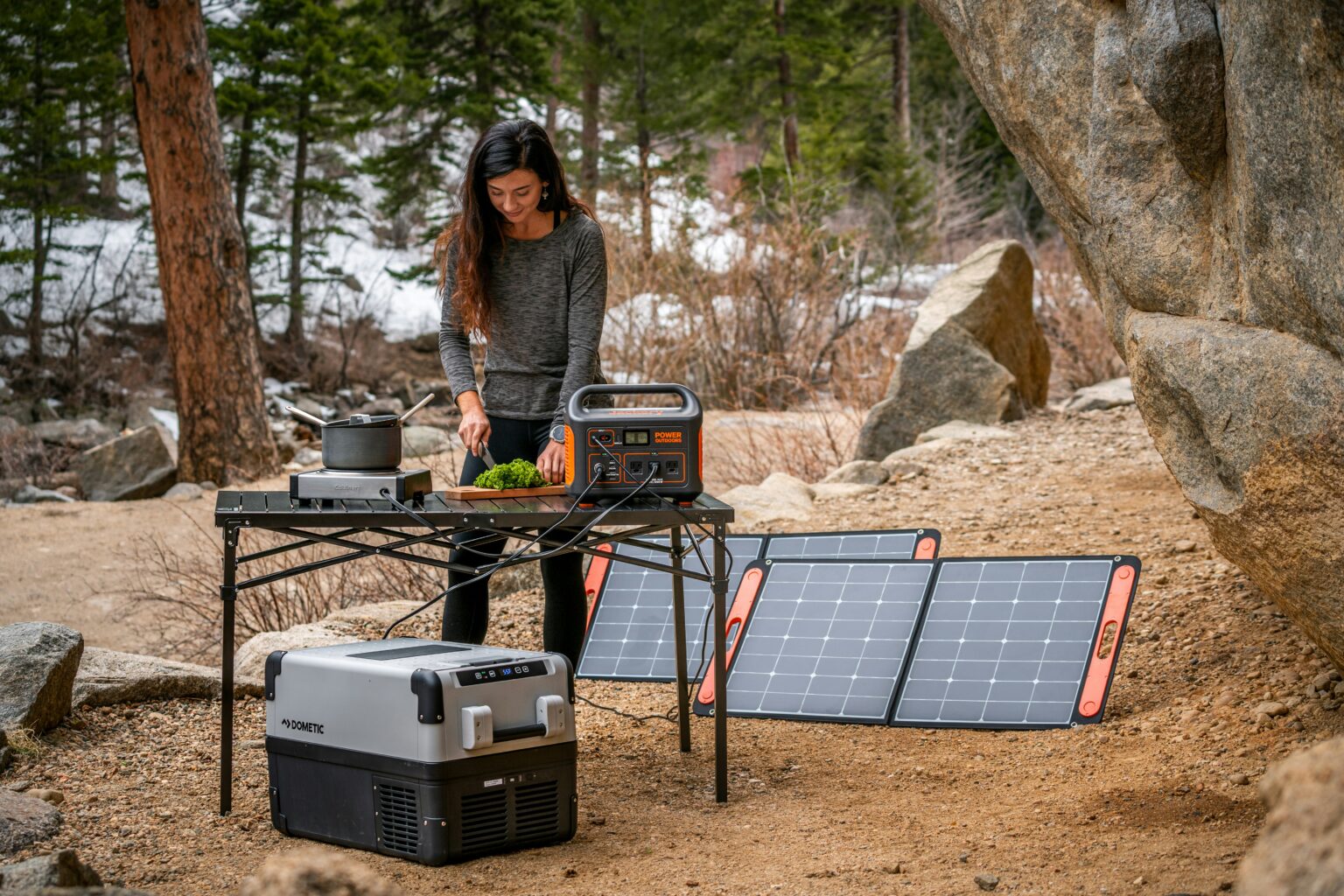
Portable power stations are designed to run a wide range of devices, but what they can actually power depends on their capacity and output.
Smaller units are ideal for charging phones, laptops and other low-power electronics, while larger systems can handle more demanding appliances for limited periods. The key is understanding how much power your devices use and how that compares to the power station’s capabilities.
In practical terms, most people use portable power stations to keep essential devices running during outages, power equipment while travelling, or provide off-grid energy for camping and outdoor use.
If you’re unsure how different systems compare as part of a wider setup, see our guide to backup power for homes for a broader overview.
So, let’s get started.
What Portable Power Stations Can Run at a Glance
The types of devices you can run depend on both wattage (power draw) and capacity (battery size). Lower-power devices are easy to run for long periods, while higher-power appliances will reduce runtime quickly.
In simple terms, portable power stations are best suited to low and medium-power devices, with larger units extending their capability into higher-demand appliances.
| 🔌 Device | ⚡ Power Usage | 🔋 Suitability | ⏱️ Typical Notes |
|---|---|---|---|
| Phone / Tablet | Low | Excellent | Multiple charges even on small units |
| WiFi Router | Low | Excellent | Can run for many hours |
| Laptop | Low–medium | Excellent | Good balance of power and runtime |
| LED Lighting | Low | Excellent | Very efficient, minimal drain |
| TV | Medium | Good | Moderate battery usage |
| Fridge | Medium–high | Limited | Short-term use on larger units |
| Kettle / Heater | Very high | Poor | Drains battery very quickly |
Understanding Power Limits (Wattage vs Capacity)
To understand what a portable power station can run, it helps to separate two key factors: output (watts) and capacity (watt-hours).
Wattage determines what devices the power station can handle at any given moment. If a device requires more power than the unit can output, it won’t run at all.
Capacity, measured in watt-hours (Wh), determines how long those devices can run. A higher-capacity system won’t necessarily power more devices at once, but it will keep them running for longer.
For example, a portable power station with a high output can run a fridge, but if the capacity is limited, it may only do so for a short period. On the other hand, a lower-output unit may run smaller devices for much longer.
If you’re deciding which setup is right for your needs, understanding what size portable power station you need can help you match capacity to real-world usage.
Real-World Examples of What You Can Run
Looking at real-world scenarios makes it easier to understand what a portable power station can realistically handle.
For basic backup, a small to mid-sized unit can keep essential devices running during a power cut. This typically includes a WiFi router, phone charging, and LED lighting. These devices use very little power, so even smaller systems can run them for several hours.
For everyday use, such as running a laptop, TV and multiple devices at once, a mid-range power station is usually sufficient. This setup works well for working from home during an outage or maintaining basic comfort.
Running appliances like a fridge is possible with larger units, but usually only for a limited time. Fridges cycle on and off, which helps extend runtime, but they still require a higher-capacity system to run reliably.
High-power devices such as kettles, electric heaters and ovens are far more demanding. While some large power stations can handle them briefly, they will drain the battery quickly and are not ideal for sustained use.
What Portable Power Stations Can’t Run Well
While portable power stations are versatile, there are clear limits to what they can handle.
High-power heating appliances are the biggest challenge. Devices like electric heaters, kettles and ovens consume a large amount of energy and can drain even high-capacity systems very quickly. In many cases, they will either exceed the unit’s output or reduce runtime to impractical levels.
Whole-home power is another limitation. Portable power stations are designed to run individual devices rather than supply electricity to an entire house. For broader coverage, a fixed system is usually more suitable.
It’s also important to consider startup power requirements. Some appliances, such as fridges and power tools, require a surge of power when they start. If the power station cannot handle this surge, the device may not run even if the normal wattage is within limits.
Understanding these limitations helps set realistic expectations and ensures you choose a system that matches your actual needs.
Choosing the Right Setup for Your Needs
Choosing the right portable power station depends on how you plan to use it.
If your goal is to keep essential devices running during short outages, a smaller or mid-range unit is usually enough. These systems are easy to use, more affordable and well suited to basic backup.
For more demanding setups, such as running multiple devices or supporting appliances, a larger system provides greater flexibility. This is especially important if you want longer runtime or the ability to handle higher power loads.
If you’re looking to compare real options across different sizes and use cases, take a look at our guide to the best portable power stations for home backup, where we break down what different models can realistically handle.
In most cases, the best setup is one that comfortably covers your usage without significantly exceeding it.
Final Thoughts: What Can a Portable Power Station Run?
Portable power stations are capable of running a wide range of devices, from small electronics to certain household appliances. The key is understanding the balance between power output and battery capacity.
For most users, these systems are best suited to keeping essential devices running during outages, powering equipment while travelling, or providing flexible energy for off-grid use. Smaller units handle low-power devices with ease, while larger systems can extend into more demanding applications for shorter periods.
However, they are not a complete replacement for mains electricity. High-power appliances and whole-home usage are beyond what most portable systems are designed to handle for extended periods.
Choosing the right setup comes down to knowing what you need to power and how long you need it to run. With the right size and expectations, a portable power station can be a reliable and practical backup solution.
FAQs
In most cases, no. Portable power stations are primarily designed to run individual devices or selected appliances rather than supply power to an entire home.
However, high-capacity models can support larger setups for short periods. Depending on the system, it may be possible to run multiple appliances or even power key circuits in your home during an outage, but this is usually limited by battery capacity and runtime.
For most users, portable power stations are best suited to keeping essential devices running rather than providing full-house coverage over extended periods.
Portable power stations can run a range of devices including phones, laptops, WiFi routers, lighting and TVs. Larger units can also run appliances like fridges for limited periods, depending on capacity and power output.
Yes, some portable power stations can run a fridge, but usually only for a limited time. This depends on the fridge’s power consumption and the size of the battery, with larger units providing longer runtime.
Thanks for reading our article on what a portable power station can run.
Feel free to leave a comment below if you have any thoughts or queries that you’d like us to take a look at – we’d be happy to help.