If you’re looking for a reliable backup power option, two of the main choices are a portable power station and a home battery system. Both can keep essential devices running during an outage, but they are built for very different situations.
A portable power station is a flexible, plug-and-play option that can be moved around the house or taken elsewhere when needed. A home battery is a larger fixed system designed to provide more substantial backup power and is usually part of a wider energy setup (see our guide to home battery backup systems explained for a full breakdown).
The better choice depends on what kind of backup you actually need. If you only want to keep a few essentials running during short power cuts, a portable power station may be enough. If you want broader home backup or a system that works alongside solar panels, a home battery will usually make more sense.
In this guide, we’ll compare portable power stations and home batteries in terms of cost, flexibility, capacity and real-world use cases so you can decide which option is better for your setup.
Portable Power Station vs Home Battery at a Glance
Although both options store energy, the gap in scale and purpose is significant. One focuses on convenience and portability, while the other is built for more permanent, higher-capacity backup.
In simple terms, portable power stations are better suited to lighter, short-term backup where flexibility matters. Home batteries are designed for more consistent, higher-demand use across the home.
| 🔋 Feature | ⚡ Portable Power Station | 🏠 Home Battery |
|---|---|---|
| Installation | Plug-and-play | Fixed professional installation |
| Portability | Can be moved easily | Stays in one place |
| Capacity | Usually lower | Usually much higher |
| Best for | Short outages, flexibility, occasional backup | Whole-home or more serious backup needs |
| Upfront cost | Lower | Higher |
| Solar integration | Possible on some models | Common and often more advanced |
| Typical use | Router, lights, laptops, small appliances | Multiple circuits, larger appliances, longer backup |
What Is the Difference Between a Portable Power Station and a Home Battery?
The main difference is how each system is used in practice.
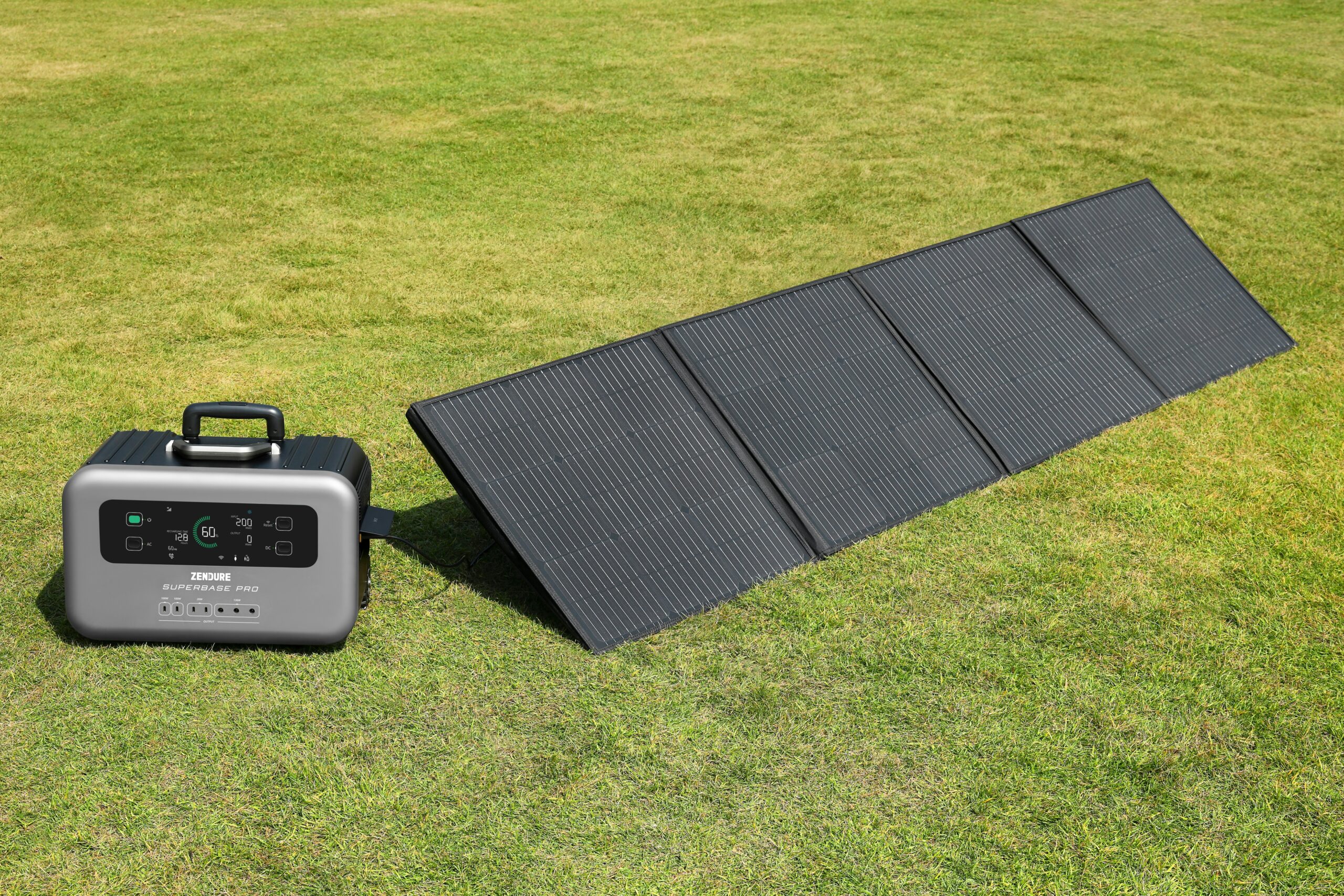
A portable power station is a self-contained unit with built-in outlets. You charge it from the mains (or sometimes solar panels), then plug devices directly into it when needed. There’s no installation required, which makes it a straightforward option for occasional backup or situations where mobility is useful.
A home battery system is installed as part of your home’s electrical setup. It stores energy, often from the grid or solar panels, and can automatically supply power to selected circuits during an outage. This makes it far more capable in terms of overall coverage, but also more complex and expensive to set up.
In real-world terms, a portable power station is closer to a flexible backup solution for specific devices. A home battery is designed to support a larger portion of your home’s power needs over a longer period.
Cost Comparison: Portable Power Station vs Home Battery
One of the biggest differences between these two options is the upfront cost.
Portable power stations are significantly more affordable. Entry-level models start relatively low, with mid-range options capable of running essential devices still staying within a reasonable budget. This makes them a practical choice if you’re looking for backup power without a large initial investment.
Home battery systems are far more expensive. The total cost includes not just the battery itself, but also installation and, in many cases, integration with your home’s electrical system or solar setup. While they offer more capacity and automation, the higher cost means they’re usually considered a longer-term investment rather than a quick solution.
In simple terms, portable power stations are easier to justify for occasional use or short outages. Home batteries make more sense if you’re planning for regular backup use or looking to build a more complete home energy system.
Performance and Capacity Differences
Capacity is where the gap between these two options becomes more obvious.
Portable power stations are designed to run specific devices rather than an entire home. They’re well suited to powering essentials like routers, lights, laptops and small appliances during an outage. However, they have limits, especially when it comes to high-wattage devices or longer runtimes.
Home batteries, on the other hand, are built for higher demand. Depending on the setup, they can support multiple circuits or larger appliances and provide backup power for longer periods. They also tend to deliver power more seamlessly, particularly when integrated into your home’s electrical system.
The key difference comes down to scale. Portable power stations are ideal for targeted backup, while home batteries are designed to support a wider portion of your home over longer periods.
Which Option Is Better for Different Use Cases?
Choosing between a portable power station and a home battery largely comes down to how you plan to use it.
For short power cuts or occasional backup, a portable power station is often the more practical option. It’s quick to set up, requires no installation, and can easily handle essential devices like your router, lighting and charging needs. It’s also useful if you want something that can be moved around or used outside the home.
If your goal is to keep more of your home running during an outage, a home battery is the stronger option. It’s better suited to longer interruptions and can support a wider range of devices, especially when configured to power key circuits automatically.
Portable power stations are also a more flexible choice if you don’t want to commit to a fixed system. For example, they can be used for backup at home but also taken on trips or used in a workshop. If that kind of flexibility is important, you can compare current options in our guide to the best portable power stations for home backup.
In general, portable power stations are better for convenience and lower-cost backup, while home batteries are better for coverage and long-term use.
Final Thoughts: Which Is Better for Backup Power?
The better option depends on how much backup power you actually need and how you plan to use it.
Portable power stations are the more flexible and accessible choice. They’re easy to set up, cost less upfront, and work well for keeping essential devices running during short outages. For many households, especially if you only need to power a few key items, they offer a simple and practical solution.
Home batteries are better suited to more demanding setups. If you want longer backup, support for multiple appliances, or integration with solar, a fixed system is the stronger option. The trade-off is higher cost and a more complex installation.
For most users, it comes down to convenience versus capacity. If you want something quick, portable and cost-effective, a portable power station is often the better fit. If you’re planning for more complete home backup, a home battery is the more capable solution.
If you’re leaning towards a flexible option, you can compare current models in our guide to the best portable power stations for home backup.
FAQs
The main difference is how they’re used. A portable power station is a standalone unit that powers individual devices, while a home battery is installed as part of your home’s electrical system and can support larger areas or circuits.
In most cases, no. A portable power station is better suited to running a few essential devices rather than powering large parts of a home. It can work as a backup solution, but it doesn’t offer the same level of coverage as a home battery system.
Portable power stations are much cheaper upfront. Home batteries involve higher costs due to installation and larger capacity, but they can provide more extensive backup and long-term value depending on how they’re used.
Thanks for reading our article on portable power stations vs home battery backups. For a full breakdown of backup power options and how they work in practice, take a look at our complete guide to backup power for homes.
Feel free to leave a comment below if you have any thoughts or queries that you’d like us to take a look at – we’d be happy to help.