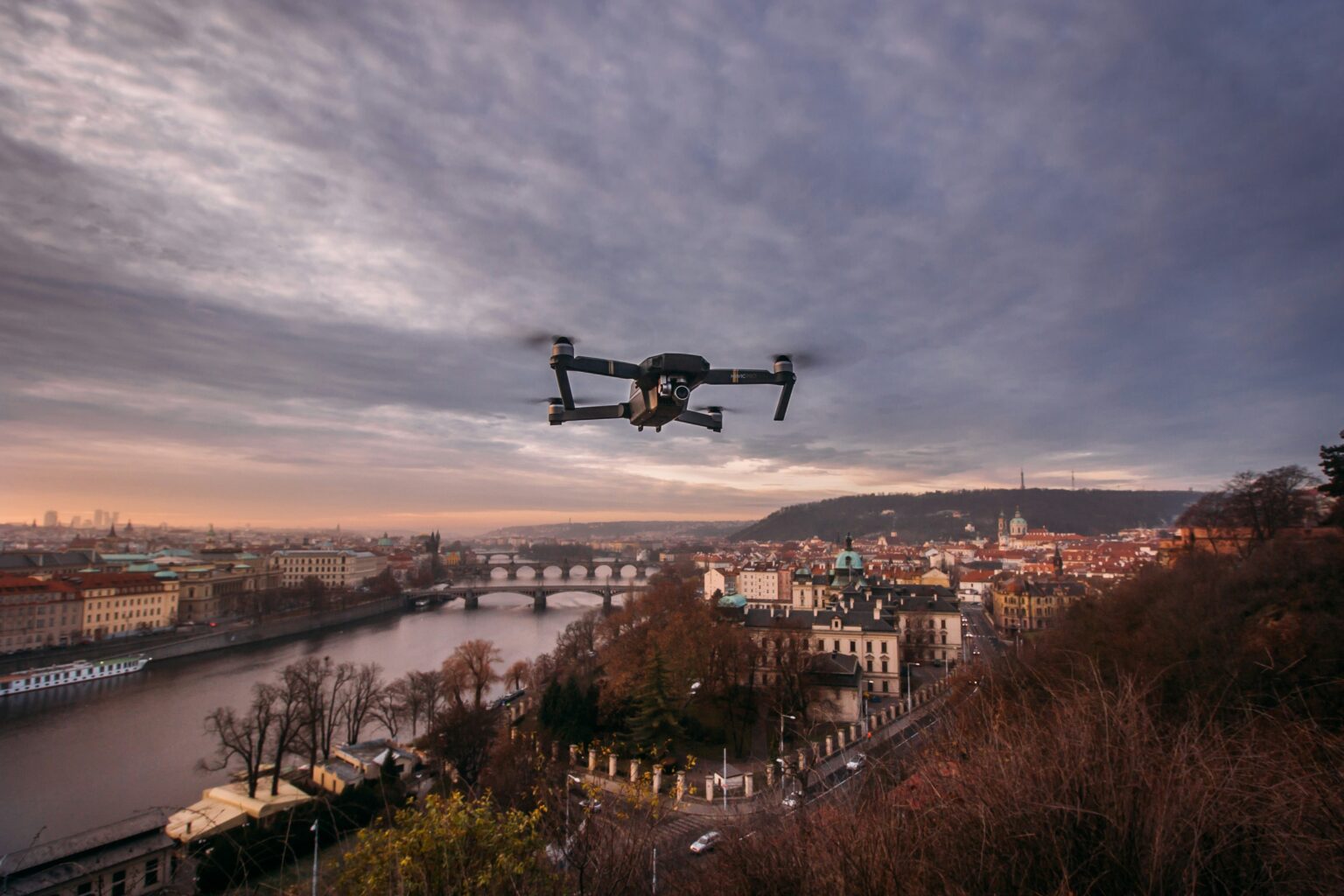
Buying your first drone can feel confusing at first. Models offer different flight times, camera specs and smart features that aren’t always easy to understand. Whether you’re buying a drone for fun, photography, or content creation, this guide will walk you through the key features to consider so you can find the best fit for your needs and budget.
If you’re completely new to drones, you may want to start with our Beginner’s Guide to Drones and RC Models. But if you’re ready to choose your first model, let’s get started.
Understanding the Different Types of Drones
Before comparing cameras or features, it helps to know the main types of drones available. Each type suits a different kind of user, and knowing the purpose behind each one makes choosing much simpler.
Mini or Toy Drones
Good for: Learning the basics
These lightweight, affordable drones are perfect for indoor practice and early flight control. They are not made for cinematic filming but are great for building confidence.
Camera Drones
Good for: Photos, videos and travel footage
These offer stabilised cameras, smoother flying and much better video quality. They are the most popular choice for beginners and hobbyists.
Racing Drones
Good for: Speed and agility
Built for fast, responsive flying. They require sharper reflexes and usually involve more manual control.
Professional Drones
Good for: Film work and industry
These include advanced sensors, long-range connectivity and the highest-quality cameras. They are designed for mapping, inspections, filmmaking and commercial use.
If you are buying your first drone, a mid-range camera drone is usually the best balance of ease, stability and image quality.
Understand the Key Features That Matter Most
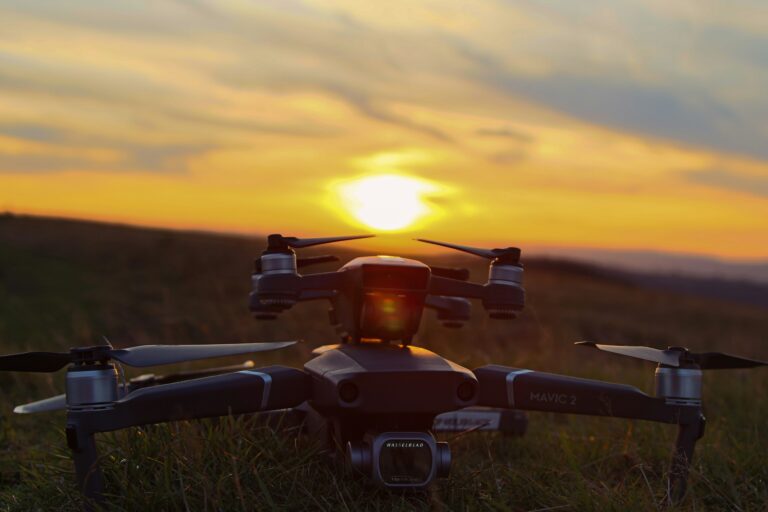
Once you’ve decided on the type of drone, it’s time to understand which features actually affect performance and value. It’s easy to get lost in technical terms, but a few key features make the biggest difference to how your drone feels to fly and what it can do.
Camera quality is one of the most noticeable upgrades as you move up in price. Entry-level drones often come with 1080p cameras, which are fine for casual photos and social media clips. If you want smoother, more cinematic results, 2.7K or 4K models are worth the extra investment.
Equally important is stabilisation. Drones move constantly in the air, so without a gimbal, your footage can look shaky. A 3-axis gimbal keeps your camera steady during turns, wind, and descents, giving your videos that professional look.
Battery life and range are also major factors. Most drones fly between 15 and 30 minutes per charge, and their range varies from a few hundred metres to several kilometres depending on the model.
To help you prioritise, here’s what to focus on first:
– Camera Resolution – 1080p is fine for beginners; 4K+ for detailed footage.
– Stabilisation – A mechanical gimbal keeps your shots smooth and steady.
– Battery Life – The longer, the better; aim for 20+ minutes per flight.
– Range – Short range is fine for beginners, long range for experienced users.
– Safety Features – GPS and return-to-home make flying easier and safer.
If you’re just starting out, don’t feel pressured to buy the most powerful model. A drone that’s reliable, stable, and easy to control will help you learn faster — and you can always upgrade later.
Battery Life, Charging, and Flight Time
Battery life is one of the most important (and often overlooked) parts of choosing a drone. Even the best models are limited by flight time, so it’s worth knowing what to expect.
Most consumer drones use lithium polymer (LiPo) batteries, which are lightweight but drain quickly under high power use. Entry-level drones typically last around 15 minutes, mid-range ones can reach 25–30 minutes, and premium models can sometimes exceed 40 minutes.
Wind resistance, camera use, and aggressive flying all affect battery life, so the published flight time is often a best-case estimate. That’s why it’s smart to invest in spare batteries — they let you fly continuously while others recharge.
Key points to consider when comparing flight time:
– Flight Duration – Aim for at least 20 minutes per battery.
– Charging Time – Some recharge in under an hour, others take two or more.
– Spare Batteries – Having extras is the easiest way to extend flight sessions.
If you plan to travel or film frequently, look for a drone with easy-to-swap batteries. This small feature saves a lot of frustration during long shoots or day trips.
Camera and Gimbal Explained
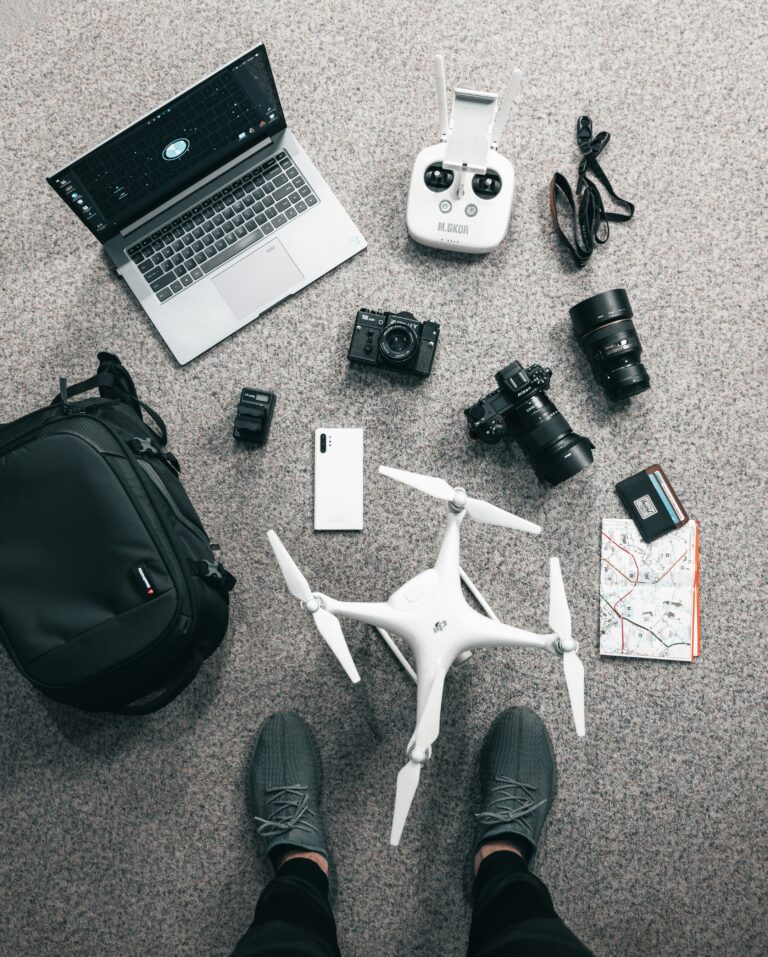
For most drone buyers, the camera is the main attraction – and for good reason. Aerial photography offers perspectives you can’t achieve with any other device. The trick is knowing which specs actually matter.
Camera resolution determines how crisp and detailed your shots look. 1080p is fine for everyday flying and social posts, while 2.7K or 4K gives you more professional-looking footage that holds up even on large screens.
Just as important is stabilisation. Without it, even a great camera will produce shaky footage. A gimbal -typically 2- or 3-axis – physically steadies the camera, compensating for small movements as you fly. This is what separates hobby footage from cinematic video.
Here’s what to look for in a good camera setup:
– 1080p Cameras – Best for casual flying and social sharing.
– 4K Resolution – Ideal for creators and video enthusiasts.
– 3-Axis Gimbal – Keeps footage smooth even in wind or movement.
If high-quality photos or videos are your priority, always prioritise gimbal quality over extra features like range or speed. It will make a far bigger difference to your results.
GPS, Range, and Connectivity
A drone’s range and connectivity determine how freely you can fly – and GPS is what keeps it all reliable.
GPS positioning helps your drone hold its place automatically, so you can stop worrying about drift or wind. It also enables key safety features like Return-to-Home, which automatically brings your drone back if the signal drops or the battery runs low.
The control range varies widely by model. Entry-level drones often top out at a few hundred metres, while mid- to high-end drones can reach several kilometres with a clear video feed. Longer range doesn’t just mean distance, it also improves stability and video quality.
Key features to compare include:
– GPS Hold – Keeps your drone steady without constant manual control.
– Return-to-Home – Automatically brings it back safely.
– Transmission Range – Short range suits beginners; long range suits pros.
For most users, a shorter range and simple GPS are enough to start. As you get more comfortable flying, the ability to explore further becomes more useful.
Ease of Use and Smart Modes
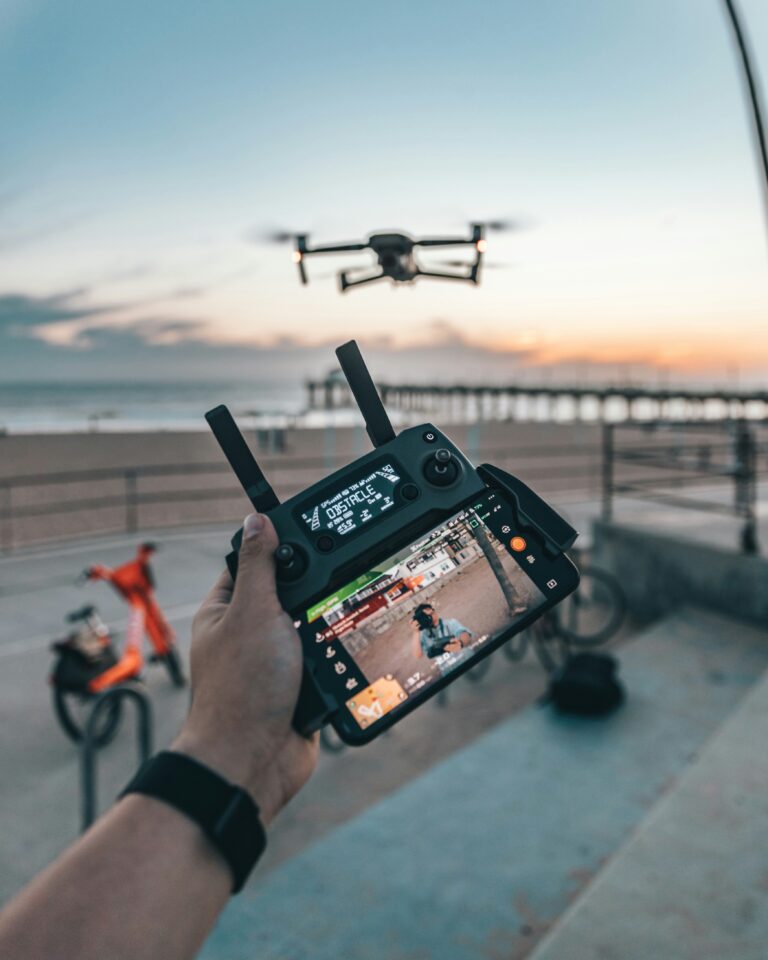
Modern drones are far easier to use than they used to be. Smart flight modes and built-in sensors now handle much of the heavy lifting, making it simple to get smooth footage even on your first flight.
Beginner modes limit speed and altitude to make early flights safer, while features like Headless Mode and Altitude Hold simplify control so you can focus on learning.
Once you’re more confident, intelligent flight modes open up creative possibilities. “Follow Me” tracks your movement automatically, “Orbit” circles a target smoothly, and “Waypoints” let you map a custom flight path in advance.
Here’s a quick summary of helpful beginner-friendly features:
– Altitude Hold & Headless Mode – Simplify control for new pilots.
– Follow Me / Orbit / Waypoints – Capture creative, automated footage.
– One-Touch Takeoff & Landing – Reduces risk and makes operation easy.
If you’re new to drones, choose a model that offers an easy-to-use app and clear on-screen controls. These make flying intuitive and give you confidence as you learn.
Drone Budget Guide: What You Get at Each Price Level
Drone prices vary widely, but most models fall into clear tiers based on features, performance and overall build quality. Understanding what each price range realistically offers makes it much easier to choose a drone that matches your needs without overspending.
At the lower end, drones are designed primarily for learning. These models focus on simple controls, lightweight builds and basic cameras, making them ideal for practising flight rather than capturing high-quality footage. As you move into the mid-range, drones become far more capable, with stabilised cameras, GPS features and longer flight times that make them suitable for regular use and travel.
Higher price ranges introduce more advanced camera systems, improved stability and additional smart features that enhance both flying experience and image quality. These models are better suited to enthusiasts, content creators and anyone looking for more consistent, cinematic results.
The key is to match your budget to how you plan to use the drone. For most beginners, there’s a clear “sweet spot” that offers the best balance of performance, reliability and value.
Below is a simple breakdown of what you can expect at each price level:
| 💷 Price Range | 📦 What You Get | 🎯 Best For |
|---|---|---|
| Under £100 | Basic controls, short flight time (10–15 min), simple cameras | Complete beginners and kids |
| £100–£300 | 1080p–2.7K cameras, GPS stabilisation, return-to-home | Beginner hobbyists |
| £300–£700 | 4K camera, 3-axis gimbal, smart flight modes | Enthusiasts and content creators |
| £700+ | Advanced cameras (4K–6K), long range, obstacle avoidance | Professionals and filmmakers |
FAQs
New pilots should focus on features that make flying easier and safer. GPS stabilisation helps the drone hold its position without drifting, while one-touch takeoff and landing reduces the risk of hard landings. Altitude Hold, Headless Mode and Return-to-Home all make early flights more controlled and less stressful. A clear, easy-to-use app is also important for learning the basics.
A 4K camera is useful if you plan to record detailed aerial footage, but it isn’t essential for learning to fly. Beginners can start with 1080p or 2.7K and upgrade later. What matters more at first is having reliable stabilisation, such as a 2- or 3-axis gimbal, because this has a bigger impact on how smooth the video looks.
A gimbal is one of the biggest contributors to smooth footage. Even with a high-resolution camera, video can look shaky without proper stabilisation. A 3-axis gimbal provides the best results for cinematic shots, especially when flying in breezy conditions or making quick directional changes.
Thank you for reading our guide to choosing the best drone for you.
If you’re shopping for you first drone, check out our article on the Best Drones for Beginners.
Feel free to leave a comment below if you have any thoughts or queries that you’d like us to take a look at – we’d be happy to help.