Home battery backup systems are becoming increasingly popular as energy prices rise and more households look for ways to reduce reliance on the grid. Whether you want protection during power cuts, better energy efficiency or a step towards self-sufficiency, battery systems offer a practical solution.
These systems store electricity for later use, allowing you to power your home when demand is high, electricity is expensive, or the grid goes down. They are often used alongside solar panels, but they can also be used independently as a backup power source. For a broader overview of how different solutions compare, see our guide to backup power for homes.
Before choosing a system, it’s important to understand how they work, what they cost and whether they are actually worth the investment.
What Is a Home Battery Backup System?
A home battery backup system stores electrical energy so it can be used later instead of being drawn directly from the grid.
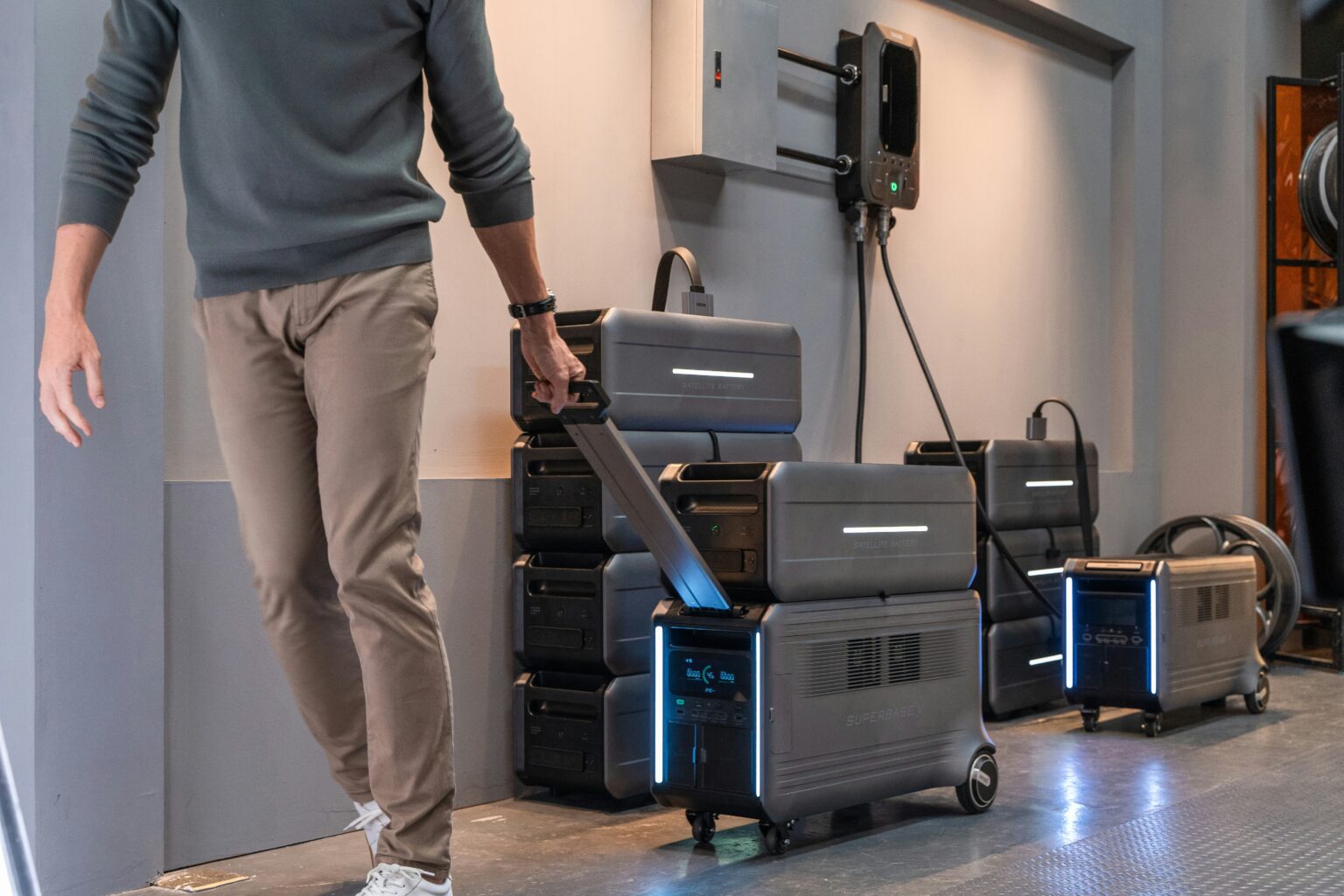
At its core, the system consists of a rechargeable battery connected to your home’s electrical supply. When electricity is available – either from the grid or renewable sources like solar panels – the battery charges. That stored energy can then be used when needed.
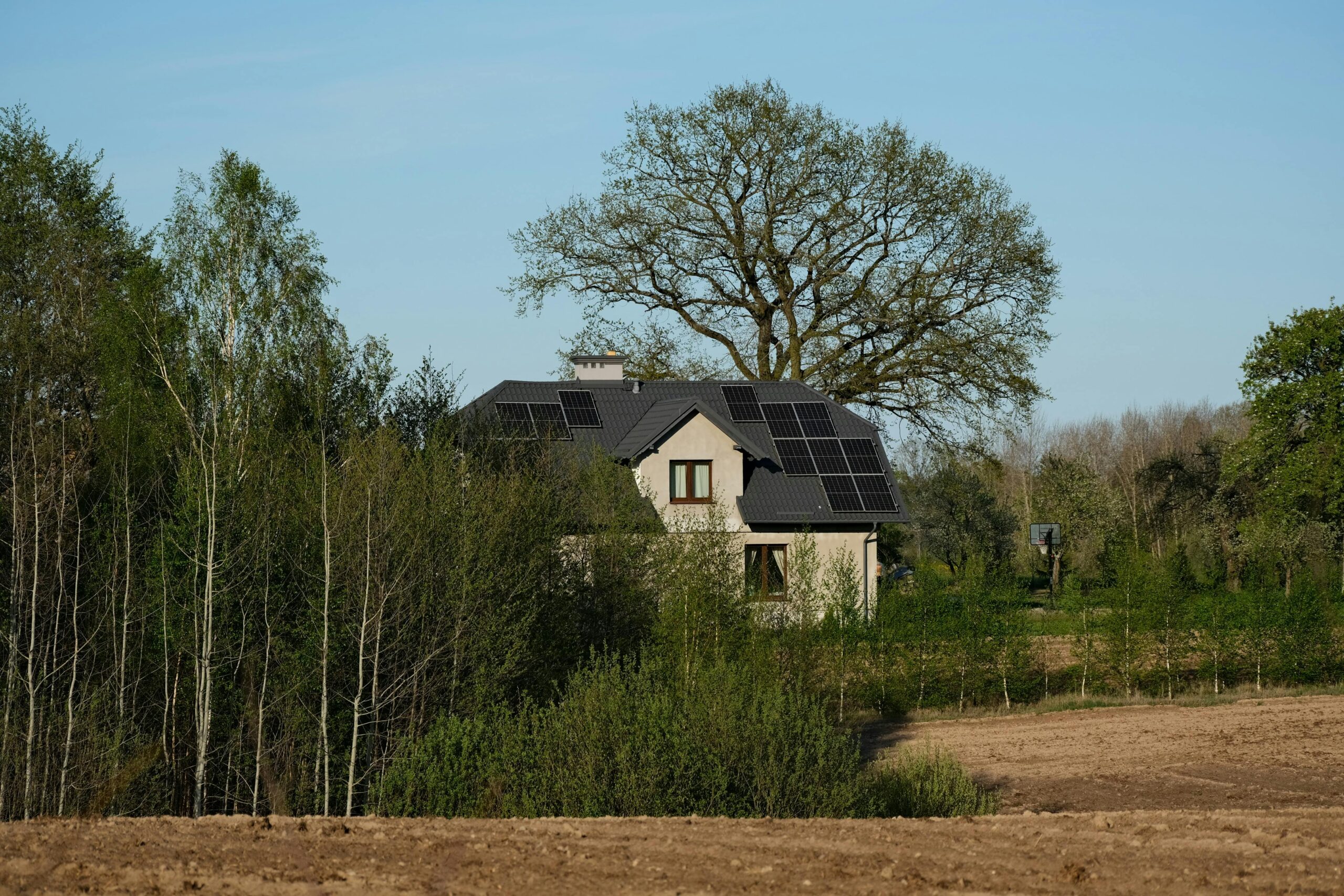
This is particularly useful in three situations. First, during power outages, where the battery can keep essential devices running. Second, during peak energy pricing periods, where stored electricity can reduce your reliance on expensive grid power. Third, when paired with solar panels, where excess energy can be stored instead of exported.
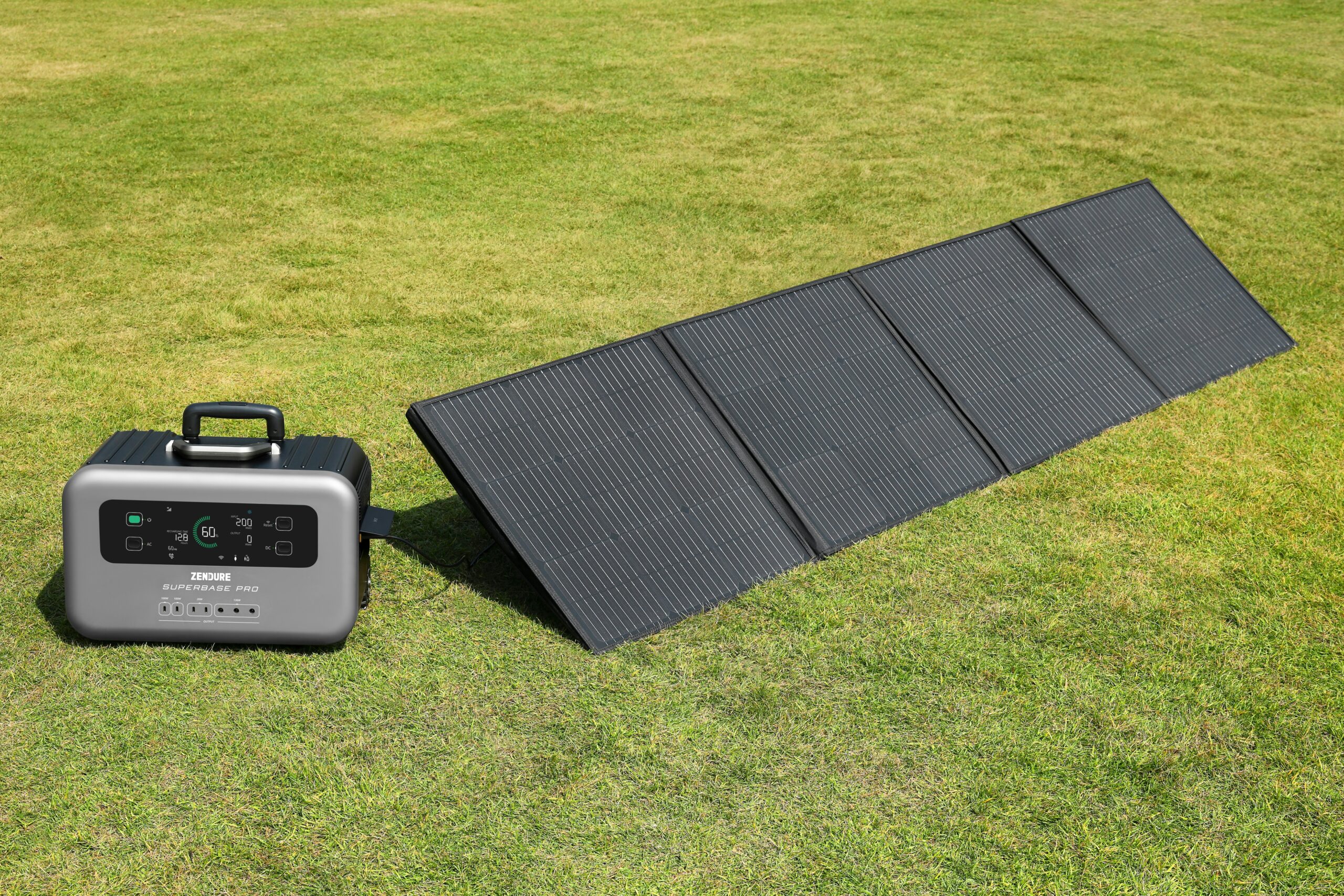
Unlike portable power stations, which are standalone units you plug devices into directly, home battery systems are fixed installations connected to your property’s electrical system. For a clearer breakdown of how these two options compare in practice, see our guide to portable power stations vs home batteries.
How Do Home Battery Systems Work?
Home battery systems operate by storing and releasing electricity based on your home’s energy usage and supply conditions.
When electricity is available, the system charges the battery. This can happen from the grid during off-peak hours or from solar panels during the day. The system uses an inverter to convert electricity into a form that can be stored and later used by your home.
When your home needs power, the system can automatically switch to using stored energy instead of drawing from the grid. In the event of a power cut, many systems can provide backup power instantly, keeping essential devices running without interruption.
More advanced systems include energy management features that optimise when to charge and discharge the battery. This helps reduce electricity costs and improves overall efficiency.
Types of Home Battery Systems
Not all home battery systems are the same. The right option depends on how you plan to use it – whether for backup power, energy savings or full integration with renewable energy.
The table below outlines the main types of home battery systems and what they are best suited for.
| 🔋 System Type | ⚙️ How It Works | 🏠 Best For | 💡 Key Advantage |
|---|---|---|---|
| Backup-only battery | Stores energy for use during outages | Emergency power | Reliable power during blackouts |
| Grid-tied battery | Charges from grid during off-peak times | Reducing electricity bills | Lower energy costs |
| Solar battery system | Stores excess solar energy for later use | Homes with solar panels | Maximises solar efficiency |
| Hybrid system | Combines grid, solar and backup functionality | Full home energy management | Maximum flexibility and control |
How Much Do Home Battery Systems Cost in the UK?
The cost of a home battery system in the UK varies depending on capacity, features and whether it is installed alongside solar panels.
For a typical setup, most home battery systems range from around £2,000 to £10,000+, including installation. Smaller systems designed for basic backup power sit at the lower end, while larger systems capable of powering most of a home will be significantly more expensive.
Capacity is one of the biggest factors affecting cost. Systems are usually measured in kilowatt-hours (kWh), which determines how much energy can be stored and used. A small 5 kWh system may cover essential devices, while larger systems of 10–15 kWh or more can support wider household usage.
Installation costs can also vary depending on complexity, especially if electrical upgrades or integration with solar panels are required.
What Can a Home Battery Power?
What a home battery can power depends on its capacity and how energy is distributed throughout your home.
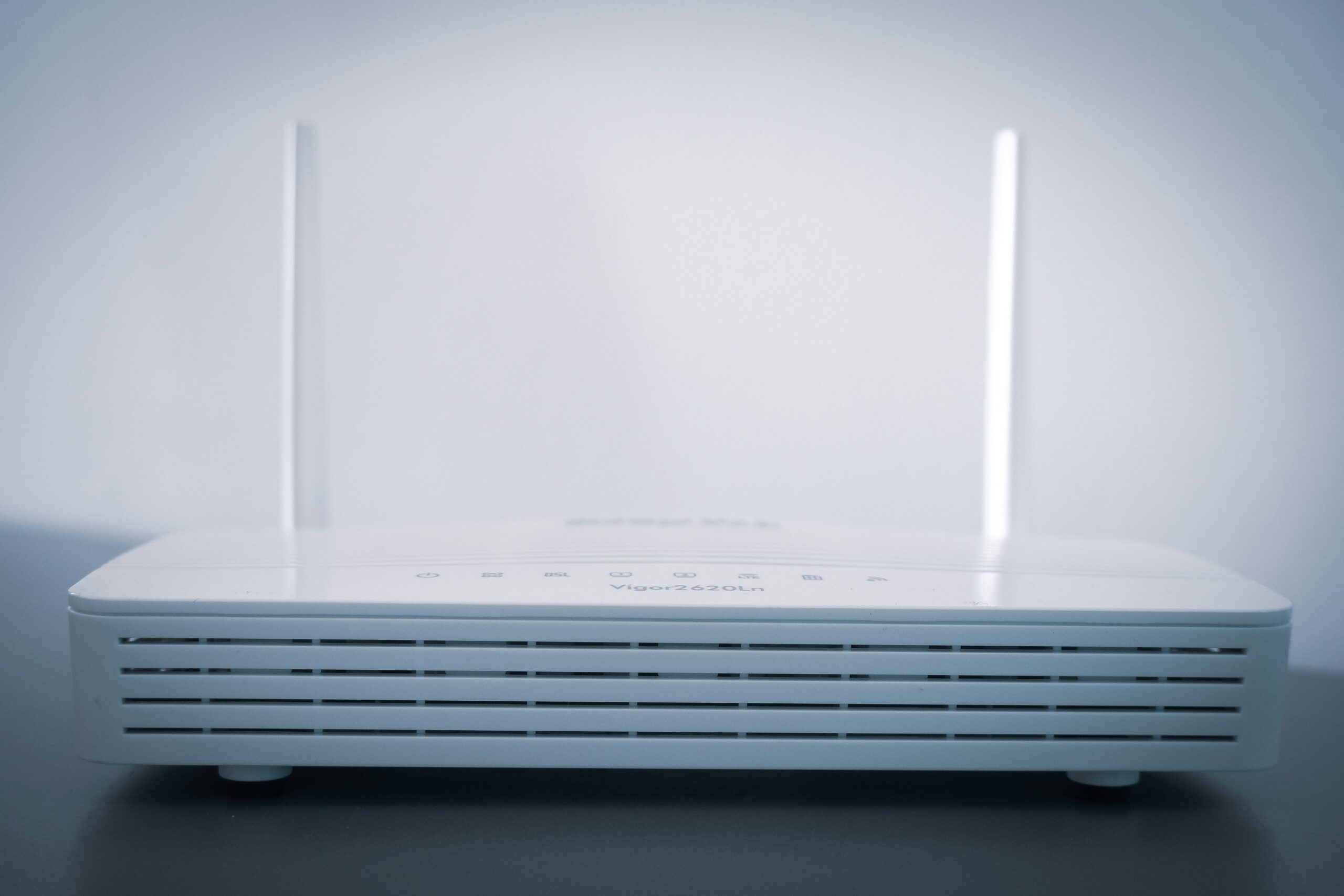
Smaller systems are typically used to support essential devices during outages, such as lighting, WiFi routers, phones and refrigeration. These setups prioritise keeping key systems running rather than powering the entire home.
Larger systems can support more demanding appliances, including televisions, washing machines and even heating systems for limited periods. However, high-power devices such as electric heaters or ovens can drain batteries quickly, so usage needs to be managed carefully.
The table below shows typical household devices and how suitable they are for battery backup.
| 🔌 Device | ⚡ Power Usage | 🔋 Battery Suitability | ⏱️ Typical Runtime Impact |
|---|---|---|---|
| WiFi router | Low | Excellent | Can run for many hours |
| Fridge freezer | Low–medium | Good | Moderate drain over time |
| Lighting (LED) | Low | Excellent | Minimal impact |
| TV / entertainment | Medium | Good | Moderate usage |
| Washing machine | High | Limited | Drains battery quickly |
| Electric heater | Very high | Poor | Very fast drain |
Are Home Battery Systems Worth It?
Whether a home battery system is worth it depends on your goals and how you use energy.
If your priority is backup power during outages, even a smaller system can provide real value by keeping essential devices running. For homes in areas with unstable supply, this alone can justify the investment.
If your goal is reducing electricity bills, the value depends on how effectively you can store and use cheaper energy. Charging a battery during off-peak hours and using it during peak pricing can help reduce costs, but savings vary depending on your tariff and usage.
Battery systems become significantly more valuable when paired with solar panels. Instead of exporting excess energy, you can store and use it later, increasing overall efficiency and reducing reliance on the grid.
For many households, the decision comes down to long-term value rather than immediate savings. While upfront costs are still relatively high, battery systems offer improved energy control, resilience and a step towards greater energy independence.
| 💷 Scenario | 🏠 Best Option | 📊 Why |
|---|---|---|
| Occasional power cuts | Small home battery | Lower cost and enough capacity to keep essential devices running |
| High electricity bills | Grid-tied battery | Lets you store cheaper off-peak electricity and use it later |
| Solar panels installed | Solar battery system | Stores excess solar energy instead of exporting it back to the grid |
| Full home backup needed | Large battery system | Provides higher capacity and longer runtime for more household circuits |
| Portable or flexible use | Power station | No installation needed and easy to move between locations |
Final Thoughts
Home battery backup systems are becoming a practical option for households looking to improve energy reliability, reduce costs and move towards greater independence from the grid.
While the upfront cost can be significant, the value comes from how the system is used. For some, it’s about having reliable backup power during outages. For others, it’s about storing cheaper or renewable energy and reducing long-term electricity costs.
These systems are not a one-size-fits-all solution. Smaller setups can support essential devices, while larger systems offer more complete home coverage. Understanding your energy usage and priorities is key to deciding whether a battery system is worth the investment.
As energy prices continue to fluctuate and more homes adopt solar power, battery systems are likely to play an increasingly important role in home energy setups.
FAQs
This depends on the battery capacity and what you are powering. Smaller systems may run essential devices for several hours, while larger systems can support more of your home for longer periods. High-power appliances will reduce runtime significantly.
Yes, many systems are designed to provide backup power during outages. However, most setups prioritise essential circuits rather than powering the entire home unless you have a large-capacity system.
Most home battery systems last between 10 and 15 years, depending on usage and battery type. Over time, capacity will gradually reduce, which is a normal part of battery ageing.
No, home batteries can be used without solar panels. They can charge from the grid, often during off-peak hours. However, pairing with solar panels increases efficiency and long-term value.
Thanks for reading our article on how home battery backup systems work. If you’re considering a setup for your home, check our article covering some of the best portable power station currently available to compare features, capacity and pricing.
Feel free to leave a comment below if you have any thoughts or queries that you’d like us to take a look at – we’d be happy to help.