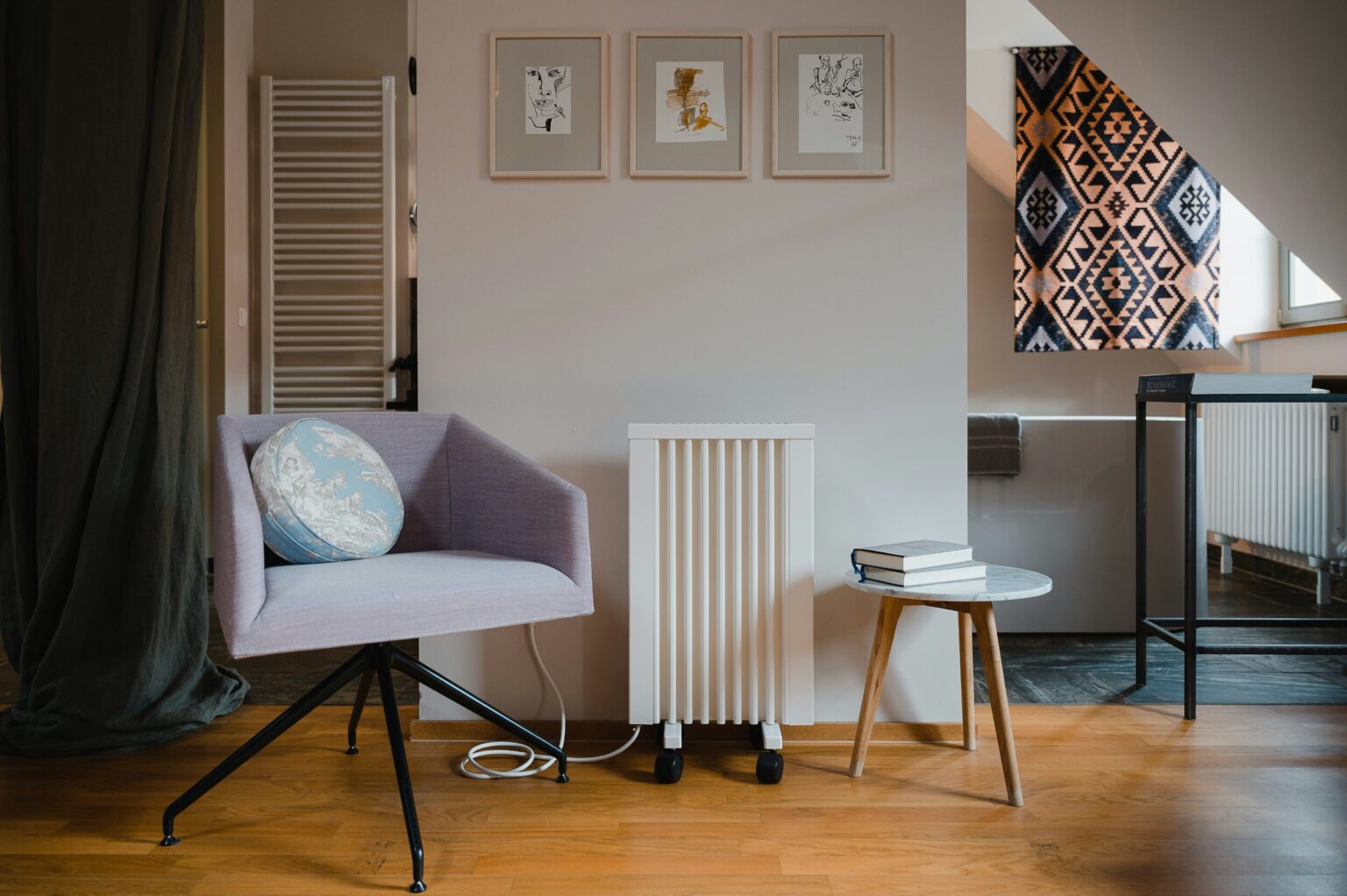
Electric heaters are a popular way to heat homes in the UK, especially during colder months or in spaces where central heating isn’t practical. However, they can also be one of the most expensive appliances to run if used incorrectly.
In this guide, we’ll break down how much it costs to run different types of electric heaters, using typical wattages and UK electricity prices to give realistic daily and yearly estimates.
If you want a broader comparison of heating systems and efficiency, take a look at our Ultimate Home Heating Guide.
So, let’s get started.
How Electric Heater Running Costs Are Calculated
The cost of running an electric heater depends on three main factors: its power rating (in watts), how long it is used, and the cost of electricity.
Electricity usage is measured in kilowatt-hours (kWh). To estimate running costs, you multiply the heater’s power (in kW) by the number of hours used and the electricity price. In the UK, electricity typically costs around £0.28 per kWh based on the Ofgem price cap, although this can vary depending on your tariff.
Cost = Power (kW) × Time (hours) × Electricity Price (£/kWh)
Because most electric heaters use between 1000W and 3000W, even a few hours of daily use can add up quickly over time.
Typical Running Costs of Electric Heaters
Different types of electric heaters use varying amounts of power depending on their design and purpose. While many heaters have similar wattages, how they distribute heat can affect how long they need to run.
The table below shows typical running costs based on common heater types and usage patterns in the UK.
| 🔥 Heater Type | ⚡ Typical Wattage | 💷 Cost Per Hour | 📅 Estimated Daily Cost (3 hrs) | 📆 Estimated Annual Cost |
|---|---|---|---|---|
| Fan heater | 2000W | £0.56 | £1.68 | £613 |
| Oil-filled radiator | 1500W | £0.42 | £1.26 | £460 |
| Infrared heater | 1200W | £0.34 | £1.01 | £369 |
| Halogen heater | 1200W | £0.34 | £1.01 | £369 |
| Panel heater | 2000W | £0.56 | £1.68 | £613 |
Which Electric Heaters Are Cheapest to Run?
Not all electric heaters cost the same to run, even if their wattage is similar. The key difference comes down to how efficiently they convert electricity into usable heat and how long they need to stay on.
Infrared and halogen heaters are often among the cheapest to run in short bursts. They heat objects and people directly rather than warming the air, which means they can feel effective more quickly and may not need to run as long.
Oil-filled radiators are also relatively efficient for maintaining steady heat over time. While they take longer to warm up, they retain heat well and can continue releasing warmth after being switched off.
Fan heaters and panel heaters tend to be the most expensive to run. They draw high power and often need to run continuously to maintain temperature, especially in poorly insulated rooms.
In practice, the cheapest heater is not just the one with the lowest wattage, but the one that can heat your space effectively in the shortest amount of time.
For a deeper comparison of heater types and how they perform, see our Halogen vs Infrared Heaters guide.
How Usage and Room Size Affect Running Costs
Running costs are heavily influenced by how you use your heater and the size of the space you’re trying to heat.
A small heater used in a well-insulated room for a short period will cost far less to run than a high-powered heater used continuously in a large or poorly insulated space. This is why the same heater can have very different real-world costs depending on the environment.
Room size is particularly important. Larger spaces require more energy to heat, which often means higher wattage settings or longer running times. Similarly, rooms with poor insulation lose heat quickly, forcing heaters to work harder to maintain temperature.
Usage habits also play a major role. Leaving a heater running for long periods, especially at maximum power, will significantly increase daily and annual costs. On the other hand, using a thermostat or timer to control when the heater runs can help reduce unnecessary energy use.
Are Electric Heaters Expensive to Run Compared to Other Heating?
Electric heaters are generally more expensive to run than gas central heating in the UK, mainly due to the higher cost of electricity compared to gas per unit of energy.
However, this does not mean they are always inefficient. Electric heaters can be a cost-effective option in certain situations, such as heating a single room rather than an entire house. This is often referred to as “zone heating” and can reduce overall energy usage when used correctly.
They are also useful in homes without gas connections, as well as for occasional or supplementary heating. In these cases, the convenience and flexibility of electric heaters can outweigh the higher running cost.
The key is using them strategically. Running an electric heater all day as a primary heating source can become expensive, but using one to heat a specific area for a limited time can be much more efficient.
If you want a broader comparison of heating systems and long-term costs, our Ultimate Home Heating Guide explains the differences in more detail.
Final Thoughts
Electric heaters can be both convenient and effective, but their running costs depend heavily on how and where they are used. While they typically cost more per unit than gas heating, they can still be a practical option for targeted or occasional use.
The most important factor is not just the heater itself, but how efficiently it is used. Shorter usage times, heating smaller spaces, and choosing the right type of heater can all make a noticeable difference to overall costs.
Understanding wattage, usage patterns, and electricity pricing makes it much easier to estimate running costs and avoid unexpected energy bills. When used strategically, electric heaters can provide flexible heating without significantly increasing overall household energy usage.
If you’re looking to reduce both energy costs and environmental impact, our guide on sustainable heating solutions explores more efficient long-term options.
FAQs
Yes, running an electric heater all day can become expensive. For example, a 2000W heater used for 8 hours could cost over £4 per day, which adds up quickly over time. Limiting usage to specific rooms or shorter periods helps reduce costs.
Most electric heaters cost between £0.30 and £0.60 per hour to run, depending on their wattage. A typical 2000W heater costs around £0.56 per hour based on an electricity price of £0.28 per kWh.
Infrared and oil-filled radiators are often among the cheapest to run in real-world use. They either heat objects directly or retain heat more effectively, which can reduce how long they need to stay on compared to fan or panel heaters.
Thanks for reading our article on the running costs for electric heaters.
Feel free to leave a comment below if you have any thoughts or queries that you’d like us to take a look at – we’d be happy to help.