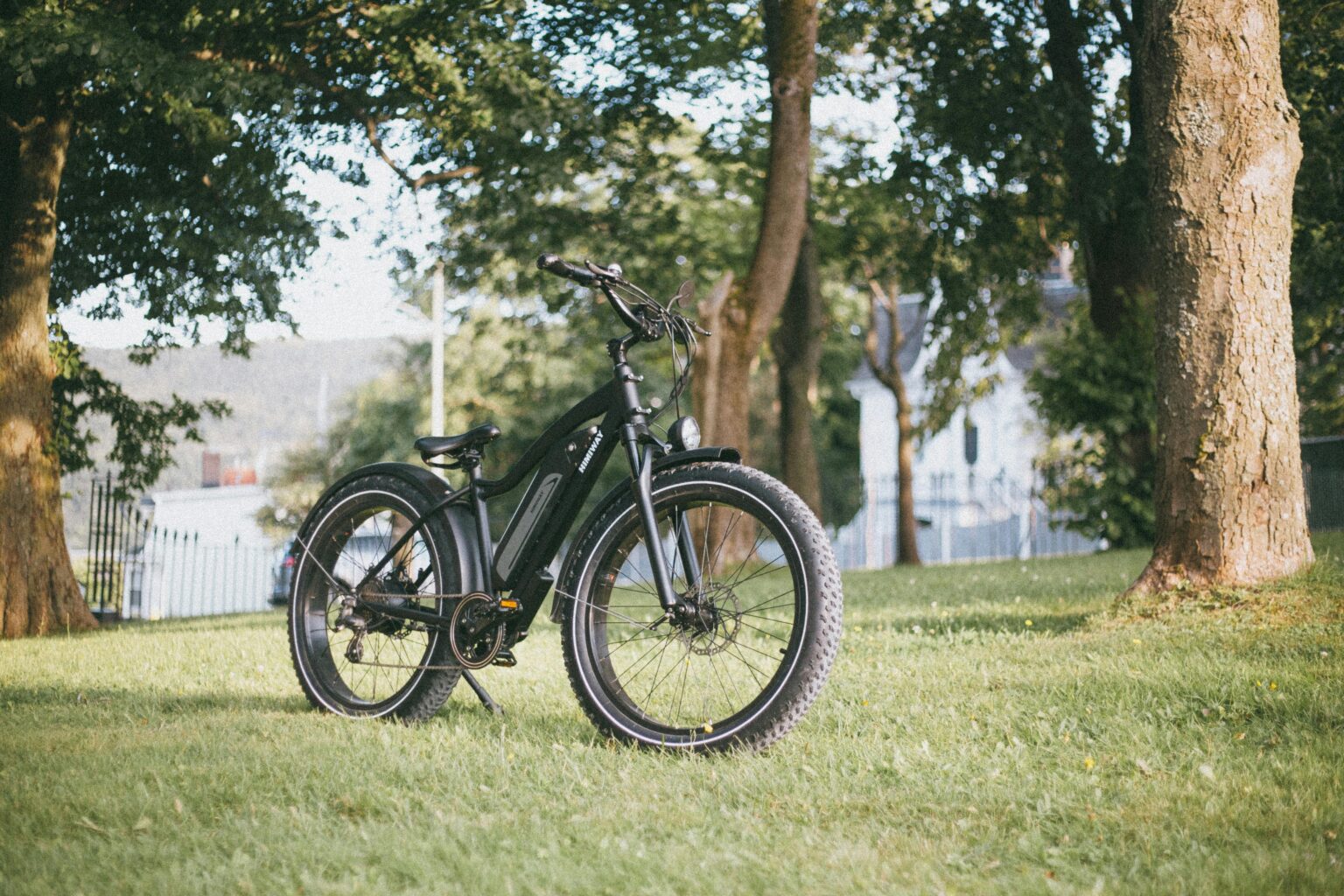
Electric bikes are often described as one of the cheapest forms of powered transport in the UK, especially when compared to cars, motorbikes, or even public transport. With rising fuel prices and increasing interest in lower-cost commuting options, understanding the true running cost of an eBike is an important part of deciding whether it’s worth it.
While the upfront cost of an electric bike can vary significantly, the day-to-day cost of charging is typically very low. However, it’s not a fixed figure. The exact cost depends on factors like battery size, electricity prices, and how efficiently the battery charges.
In this guide, we’ll break down exactly how much it costs to charge an electric bike in the UK, including real-world examples, typical battery sizes, and how those costs translate into daily and monthly usage. If you’re just getting started with ebikes, you may want to take a look at our Beginner’s Guide to Electric Bikes for a general overview.
So, let’s get started.
Cost to Fully Charge an Electric Bike
The cost of charging an electric bike is mainly determined by the battery capacity. This is measured in watt-hours (Wh), which indicates how much energy the battery can store and therefore how much electricity is needed to recharge it.
Most electric bikes in the UK use batteries between 250Wh and 750Wh. A large proportion of everyday bikes fall within the 400Wh to 500Wh range, which is typically enough for commuting and general use. Higher-capacity batteries are more common on premium models or bikes designed for longer distances and more demanding terrain. If you’re looking for more detail on battery life, take a look at our article on Electric Bike Battery Lifespan Explained.
Electricity is billed in kilowatt-hours (kWh), and 1 kWh is equal to 1000 Wh. For example, a 500Wh battery equates to 0.5 kWh. In practice, charging is not perfectly efficient, so the actual electricity drawn from the mains supply is slightly higher. A small loss of around 5 to 10 percent is typical.
Using an average UK electricity price of approximately £0.28 per kWh in 2026, the cost of a full charge can be estimated as follows:
| 🔋 Battery Size (Wh) | ⚡ Energy Used (kWh) | 💷 Cost Per Charge (£) |
|---|---|---|
| 250Wh | 0.26 kWh | £0.07 |
| 400Wh | 0.42 kWh | £0.12 |
| 500Wh | 0.53 kWh | £0.15 |
| 625Wh | 0.66 kWh | £0.18 |
| 750Wh | 0.80 kWh | £0.22 |
Cost Per Mile of an Electric Bike
Looking at the cost per charge is useful, but it does not always reflect how much you will actually spend when using the bike regularly. Cost per mile gives a clearer picture of how efficient an electric bike is in real-world conditions.
The range of an electric bike can vary depending on how it is used. Factors such as terrain, rider weight, assistance level, and weather conditions all play a role. In most cases, you can expect a range somewhere between 20 and 60 miles on a full charge.
Using a typical 500Wh battery that costs around £0.15 to charge, the cost per mile works out as follows:
| 📏 Range Per Charge | 💷 Cost Per Mile |
|---|---|
| 20 miles | £0.0075 |
| 40 miles | £0.0038 |
| 60 miles | £0.0025 |
Monthly and Yearly Cost of Charging an Electric Bike
Understanding the cost per charge is useful, but most riders want to know what this looks like over time. Monthly and yearly costs give a clearer picture of how much an electric bike will actually add to your household expenses.
The total cost depends largely on how often you ride and how frequently you charge the battery. For a typical commuter using their bike several times per week, charging might be required anywhere from 2 to 5 times per week.
Using an average cost of £0.15 per charge (based on a 500Wh battery), here’s how that scales over time:
| 🔁 Charges Per Week | 📅 Monthly Cost (£) | 📆 Yearly Cost (£) |
|---|---|---|
| 2 | £1.20 | £15.60 |
| 3 | £1.80 | £23.40 |
| 5 | £3.00 | £39.00 |
| 7 | £4.20 | £54.60 |
Electric Bike vs Car Running Costs
To understand the value of an electric bike, it helps to compare it with more traditional forms of transport. Cars are the most common comparison, particularly for commuting.
Fuel costs for a petrol car are significantly higher than electricity costs. Even a relatively efficient car will cost far more per mile than an electric bike.
This does not include additional costs such as insurance, tax, servicing, or parking, which further increase the cost of owning and running a car.
For short to medium-distance journeys, especially in urban areas, electric bikes offer a much cheaper alternative. Over time, the savings can be substantial.
Here’s a simple comparison based on typical UK figures:
| 🚗 Transport Type | 💷 Cost Per Mile | 📅 Monthly Cost (200 miles) |
|---|---|---|
| Electric Bike | £0.003 – £0.007 | £0.60 – £1.40 |
| Petrol Car | £0.15 – £0.25 | £30 – £50 |
Is It Cheaper Than Public Transport in the UK?
Public transport can be convenient, but costs can add up quickly, particularly for daily commuting. Train fares, bus passes, and peak-time pricing all contribute to higher monthly travel expenses.
In comparison, the cost of charging an electric bike is minimal.
For example:
– A typical bus fare may cost £2 to £4 per journey
– A monthly rail pass can range from £100 to £300 depending on distance
Even when factoring in the upfront cost of buying an electric bike, the ongoing cost of using it is far lower.
For regular commuters, switching to an electric bike can lead to significant long-term savings. It also provides more flexibility, as you are not tied to timetables or routes.
Can You Reduce Electric Bike Charging Costs?
Although electric bikes are already inexpensive to run, there are a few simple ways to reduce costs even further.
Charging habits can make a small difference. For example, charging during off-peak hours on certain energy tariffs can lower electricity costs slightly.
Riding efficiently also helps. Using lower levels of pedal assistance, maintaining steady speeds, and avoiding unnecessary acceleration can extend your range and reduce how often you need to charge.
Keeping your bike well maintained is another factor. Proper tyre pressure, a clean drivetrain, and a healthy battery all contribute to better efficiency and lower energy use over time.
While the savings from these changes may be relatively small, they can add up over the long term, particularly for frequent riders.
Final Thoughts
Charging an electric bike in the UK is extremely affordable, even with current electricity prices. In most cases, a full charge costs just a few pence, and even regular use will only add a small amount to your annual energy bill.
When you compare this to the cost of running a car or using public transport, the difference is clear. Electric bikes offer a low-cost, practical solution for commuting and everyday travel, with minimal ongoing expenses.
For most riders, the combination of low running costs, convenience, and flexibility makes electric bikes a highly cost-effective option.
FAQs
Most electric bikes cost between £0.10 and £0.20 per full charge, depending on battery size and electricity rates.
For regular use, charging typically costs between £20 and £50 per year in electricity.
Yes, electric bikes are significantly cheaper. The cost per mile is often less than 1p, compared to 15–25p per mile for petrol cars.
Thank you for reading our explanation of how much it costs to charge an electric bike battery.
Feel free to leave a comment below if you have any thoughts or queries that you’d like us to take a look at – we’d be happy to help.