Drone laws in the UK can seem confusing at first, especially for beginners. There are rules around where you can fly, how high you can go, and how close you can get to people, buildings, and restricted areas.
In this guide, we’ll cover where you can legally fly a drone in the UK, the key rules set by the Civil Aviation Authority (CAA), and what restrictions you need to be aware of before taking off.
If you’re new to drones, you may also want to read our Beginner’s Guide to Drones and RC Models for a full overview of how they work.
So, let’s get started.
Where Can You Legally Fly a Drone in the UK?
In the UK, you can legally fly a drone in a wide range of locations, but only if you follow national aviation rules and any local restrictions that apply.
Generally, drones can be flown in open countryside, on private land with permission, and in some public spaces where local bylaws allow it. However, this does not mean you can fly anywhere freely. Even in suitable locations, you must still follow strict safety rules at all times.
You are required to keep your drone within visual line of sight, stay below 120 metres (400 feet), and avoid flying near people, crowds, or built-up areas where there is a higher risk of harm. You must also stay clear of airports and any restricted airspace.
It’s also important to understand that local councils or landowners can impose additional restrictions. For example, some parks and public spaces prohibit drone use entirely, even though national rules would otherwise allow it.
Because of this, it’s always worth checking both national regulations and local rules before flying.
Key UK Drone Rules You Need to Follow
The Civil Aviation Authority sets out clear rules that apply to most recreational drone users. These rules are designed to minimise risk and ensure safe operation in shared airspace.
| 📏 Rule | 📋 Requirement | ⚠️ Why It Matters |
|---|---|---|
| Maximum altitude | 120 metres (400 ft) | Avoids conflict with aircraft |
| Visual line of sight | Must always see your drone | Maintains safe control |
| Distance from people | Do not fly over crowds | Reduces injury risk |
| Airspace restrictions | Avoid controlled zones | Prevents aviation hazards |
| Registration | Required for most drones | Ensures accountability |
Do You Need a Licence to Fly a Drone in the UK?
Whether you need a licence depends on the type of drone you’re using and how you plan to fly it. In most cases, at least one form of registration is required, even for recreational use.
An Operator ID is required if you own a drone that weighs 250 grams or more, or if it has a camera. This ID must be clearly displayed on the drone itself. A Flyer ID is required if you are flying a drone over 250 grams, and this involves passing a basic online theory test set by the Civil Aviation Authority.
There are a few exceptions for very small toy drones without cameras, but most modern drones fall within the scope of these rules.
It’s important to take these requirements seriously. Flying without the correct registration can lead to fines or legal consequences, even if you are only flying recreationally.
No-Fly Zones and Restricted Areas
Even if you’re following general drone rules, there are specific areas where flying is either restricted or completely prohibited.
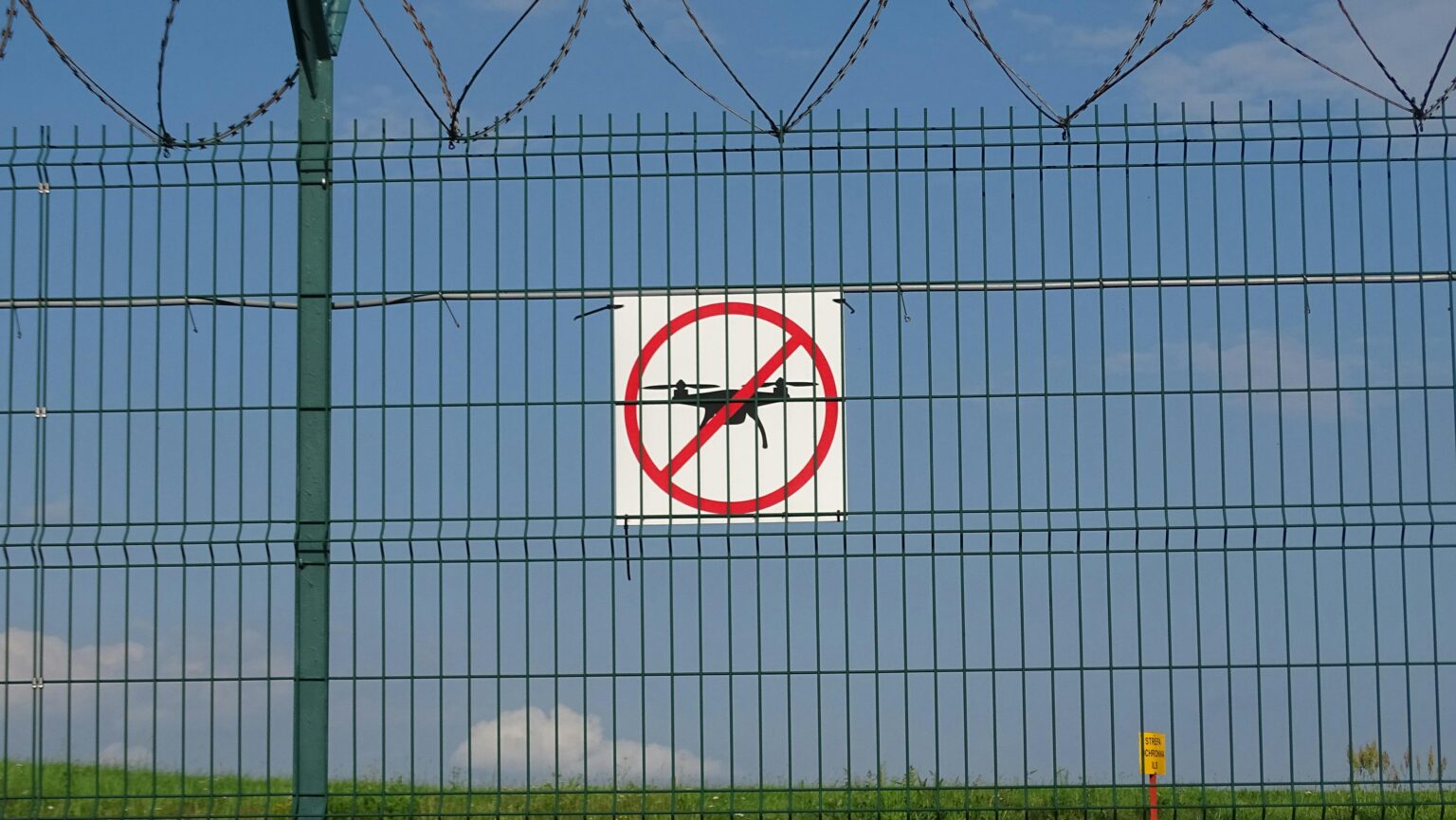
Airports and aerodromes are the most important restricted zones. Flying near these areas without permission is illegal due to the risk of interfering with manned aircraft. Most modern drones include geofencing, which helps prevent take-off in these locations, but you should not rely on this alone.
You should also avoid flying in built-up areas such as city centres, especially where there are large groups of people. Flying over crowds is not allowed, and even flying nearby can be risky depending on the drone’s size and classification.
Certain locations such as military bases, prisons, and government buildings are also restricted. These areas may not always be clearly marked, so it’s important to check before flying.
In addition, temporary restrictions can be put in place for events, emergency situations, or VIP movements. These can change quickly, so it’s always worth checking current airspace conditions before taking off.
If you’re unsure whether a location is safe or legal, it’s best to assume restrictions apply until you can confirm otherwise.
What Happens If You Break Drone Laws?
Failing to follow UK drone laws can result in serious consequences, even for recreational users.
Minor offences, such as flying without the correct registration, can lead to fines. More serious breaches, such as flying near airports or endangering people, can result in significantly larger penalties and, in extreme cases, criminal charges.
Authorities take drone safety seriously because of the potential risks to aircraft, property, and public safety. Even if no harm is caused, unsafe flying can still lead to enforcement action.
This is why understanding the rules before flying is essential. Many issues arise not from deliberate misuse, but from a lack of awareness around where and how drones can be used legally.
How to Check If You Can Fly in a Specific Area
Before flying your drone, it’s always a good idea to check whether your chosen location is safe and legal.
One of the most reliable ways to do this is by using official drone or airspace apps, which show restricted zones, nearby airports, and temporary flight restrictions. These tools help you avoid accidentally flying in controlled airspace.
You should also consider your surroundings carefully. Even if an area is technically allowed, factors like nearby buildings, people, or obstacles can still make it unsuitable for flying.
As a general rule, open spaces with clear visibility and minimal interference are the safest and most appropriate places to fly. These conditions also improve signal quality and control, which is important for both safety and performance.
If you want to understand how distance, signal strength, and environmental factors affect flight, our guide on how far drones can fly explains this in more detail.
Final Thoughts
Understanding UK drone laws is essential before you take your drone into the air. While many areas are legally accessible, strict rules around altitude, visibility, people, and restricted airspace mean you cannot simply fly anywhere without consideration.
For most recreational users, the key is keeping things simple. Flying in open spaces, maintaining clear line of sight, and staying well away from people and restricted areas will keep you within the rules in most situations.
It’s also important to remember that drone laws are not just guidelines — they are legally enforceable. Even unintentional mistakes can result in fines or further action, so taking a few minutes to check your surroundings and airspace before flying is always worthwhile.
By combining a basic understanding of the rules with good flying habits, you can enjoy your drone safely, legally, and with confidence.
FAQs
In many cases, yes, but it depends on local council rules. Some parks allow drone use, while others have specific restrictions or bans in place. Even where flying is allowed, you must still follow CAA rules regarding people, altitude, and safety.
No, flying directly over residential areas or people is not allowed in most cases, especially with larger drones. You should always maintain a safe distance from buildings and avoid flying over private property without permission.
Yes, night flying is allowed, but the same rules apply as during the day. You must still maintain visual line of sight and ensure your drone is visible, which often means using proper lighting.
Open countryside is usually one of the best places to fly, but restrictions can still apply. You should check for local bylaws, nearby airspace restrictions, and ensure you are not flying near people, animals, or private property without permission.
Thank you for reading our explanation of drone laws in the UK.
If you’re interested in buying your own drone, check out our other article on the Best Drones For Beginners.
Feel free to leave a comment below if you have any thoughts or queries that you’d like us to take a look at – we’d be happy to help.