Buying tools for the first time can feel overwhelming. Power ratings, battery systems and tool types are not always easy to compare, especially when many models look similar on the surface.
Whether you are building a home workshop, tackling DIY projects or upgrading existing equipment, this guide explains the key things to consider so you can choose tools that genuinely suit your needs. If you’re just getting started with tools, you may want to take a look at our Starter Toolkit Guide for an overview.
So, let’s get started.
Understanding the Different Types of Tools
Before comparing specifications or brands, it helps to understand the main categories of tools available. Each type is designed for specific tasks, environments and workloads, and knowing these differences makes choosing much simpler.
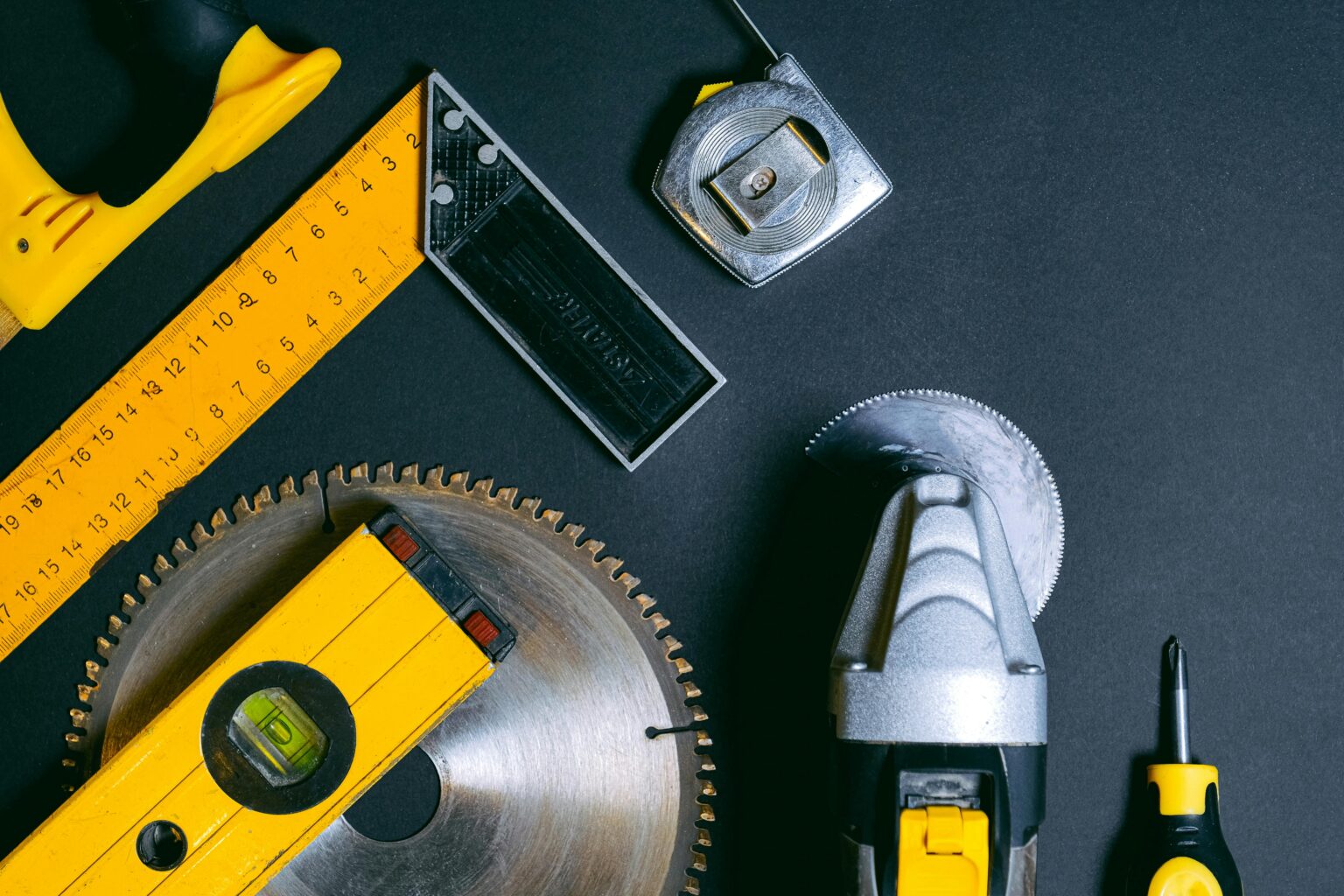
Hand tools are best suited to basic repairs, assembly and precision work. They rely entirely on manual effort and offer maximum control, making them ideal for lighter tasks where accuracy matters more than speed.
Corded power tools deliver consistent performance by plugging directly into mains power. They are well suited to workshop environments and longer jobs where uninterrupted power is important, such as sanding, cutting and drilling dense materials.
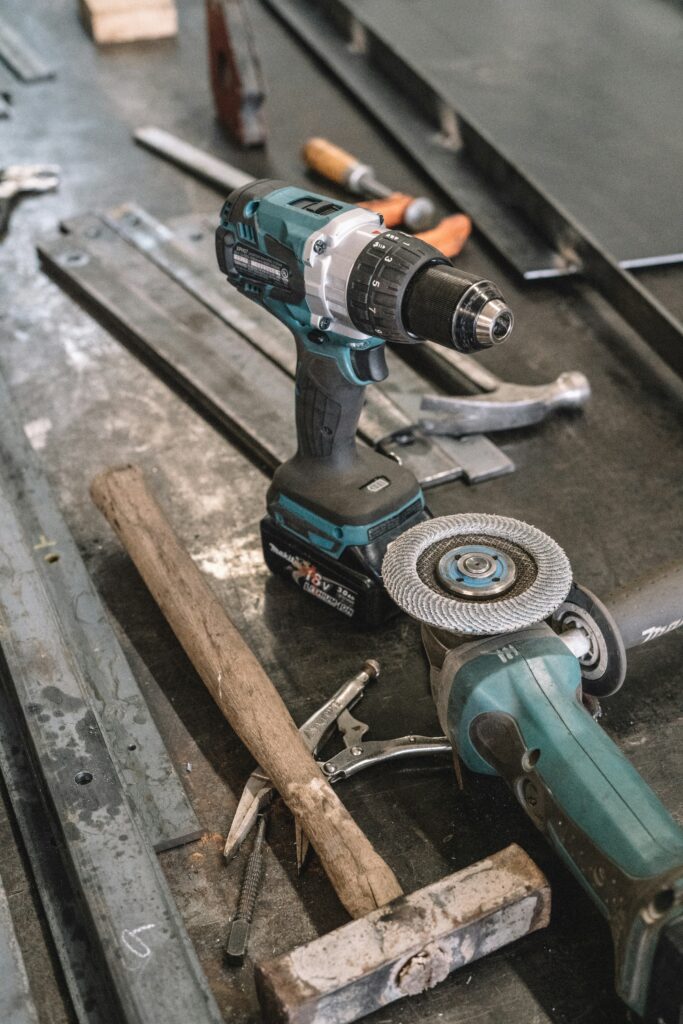
Cordless power tools prioritise flexibility and convenience. Powered by rechargeable batteries, they are ideal for working around the home, garden or on site. Modern cordless tools are powerful enough for most DIY tasks, but runtime and battery compatibility are important factors to consider.
Petrol-powered tools are typically used for outdoor and heavy-duty work such as strimming, cutting and clearing large areas. They offer high power and long runtime but require more maintenance and are not suitable for indoor use.
For most home users, electric tools, whether corded or cordless, offer the best balance of practicality, control and ease of use. Check out our Electric vs Petrol Power Tools Guide for more information.
Corded vs Cordless Tools Explained
One of the most common decisions when choosing tools is whether to go corded or cordless. Both options have clear advantages, and the right choice depends on how and where the tool will be used.
Corded tools provide uninterrupted power and consistent performance, making them ideal for tasks that require sustained output. They are often lighter than equivalent cordless tools because they do not carry a battery, but they do limit mobility and rely on access to a mains power source.
Cordless tools offer greater freedom of movement and are easier to use in spaces where power sockets are impractical or unavailable. Battery technology has improved significantly in recent years, but runtime, charging speed and battery system compatibility all play an important role in long-term usability and cost. If you are building a cordless setup, our Cordless Power Tool Battery Guide explains how battery voltage, capacity and platform choice affect performance and value.
When choosing between corded and cordless tools, consider:
– Whether continuous runtime or portability is more important
– How often the tool will be used and for how long
– Whether you already own compatible batteries from the same brand
Many users find that combining corded and cordless tools provides the best overall flexibility, allowing high-power tasks to be handled efficiently while still benefiting from the convenience of battery-powered tools where it makes sense.
Key Factors That Matter When Choosing Tools
Choosing the right tool is not just about brand or price. The way a tool is powered, how often it will be used and the type of work it is designed for all have a direct impact on performance, longevity and overall value.
Power source
The power source largely determines how a tool behaves in real-world use. Corded tools deliver consistent power for extended periods and are well suited to demanding tasks, while cordless tools prioritise mobility and convenience. Petrol tools still have a place for heavy outdoor work where maximum output and long runtimes are required, but they come with higher noise and maintenance demands.
Usage frequency
How often a tool is used should influence how much you invest. Tools used regularly benefit from stronger motors, better cooling and higher-quality components. For occasional DIY use, simpler models can be perfectly adequate without the extra cost of professional-grade features.
Runtime and endurance
For cordless tools, battery capacity and charging speed are key considerations. Short tasks may not justify spare batteries, but longer sessions often require a battery system that can support continuous use. Corded tools avoid this limitation entirely, which is why they remain popular for workshop-based work.
Comfort and control
Ergonomics matter more than many users expect. Weight distribution, grip design and vibration control affect how long a tool can be used comfortably. Poor ergonomics can lead to fatigue, reduced accuracy and increased risk of injury over time.
Long-term costs
The upfront price of a tool rarely tells the full story. Running costs such as electricity, fuel, replacement batteries and maintenance should be considered over the tool’s lifespan. Electric tools often cost more initially but are cheaper to run and maintain over time. If you want more information on energy costs, check out our article on How Much Electricity Do Power Tools Use?.
Safety features
Modern tools include features such as soft start, electronic braking and overload protection. These not only protect the tool itself but also improve user safety, particularly during prolonged or demanding tasks.
Matching Tools to Common Use Cases
The best tool choice depends heavily on what you actually plan to do. Understanding typical applications helps avoid overspending or under-buying.
For indoor DIY and home maintenance, corded and cordless electric tools are usually the most practical. They are cleaner, quieter and easier to store, making them ideal for drilling, sanding, cutting and assembly work.
For garden and outdoor tasks, cordless tools work well for light to medium jobs, while petrol tools still dominate heavier tasks that require sustained power or long operation times away from power sources.
For workshops and garages, corded tools often offer the best balance of power, reliability and cost, particularly for equipment that stays in one place.
If you are unsure where to start, many users benefit from a mixed setup:
– Corded tools for high-power, long-duration tasks
– Cordless tools for convenience and mobility
– Petrol tools only where electric options are impractical
| 🛠️ Tool Type | 🏠 Best Use Case | ⚡ Recommended Power Type |
|---|---|---|
| Drill / driver | General DIY, furniture assembly, home repairs | Cordless |
| Jigsaw | Cutting wood, DIY projects, home improvements | Cordless or corded |
| Circular saw | Heavy cutting, workshop use, large materials | Corded |
| Sander | Smoothing surfaces, finishing work | Corded |
| Angle grinder | Cutting metal, heavy-duty work | Corded |
| Strimmer / garden tools | Garden maintenance and outdoor work | Cordless or petrol |
Building a Practical Starter Toolkit
For most users, the biggest mistake when buying tools is trying to cover every possible job at once. In reality, the majority of DIY, home maintenance and light workshop tasks can be handled with a relatively small selection of well-chosen tools.
For indoor DIY and general household projects, electric tools are usually the most practical starting point. A reliable drill, a basic cutting tool and a sanding solution will cover everything from shelving and furniture assembly to minor repairs and renovations. Corded versions work well for tools that stay in one place, while cordless options make sense where flexibility and ease of use matter more.
Garden and outdoor tasks often benefit from cordless tools for convenience, especially for trimming, cutting and light maintenance. Petrol tools only become necessary when jobs involve sustained heavy workloads, large areas or long periods away from power sources. For many users, modern battery-powered alternatives now provide enough performance without the added noise and maintenance.
Workshop setups tend to favour corded tools for equipment that is used frequently or for long sessions. Tools such as bench-mounted equipment, saws and planers benefit from consistent power and lower long-term running costs. Over time, many users build a mixed setup that balances power, mobility and cost rather than committing to one power type exclusively.
Starting with a small, task-focused toolkit and expanding as your needs change is usually more cost-effective and far less overwhelming than buying everything upfront.
Conclusion
Choosing the right tools is about understanding how and where they will be used, rather than chasing the highest power ratings or the most features. Corded, cordless and petrol tools all have strengths, and the best choice depends on workload, environment and frequency of use.
For most home users, electric tools offer the best balance of performance, safety and long-term value. Corded tools remain ideal for consistent, high-demand work, while cordless tools provide unmatched convenience for everyday tasks. Petrol tools still serve a purpose, but are increasingly limited to specialist outdoor applications.
By focusing on real-world needs, prioritising comfort and safety, and building a toolkit gradually, you can invest with confidence and avoid unnecessary expense.
If you are continuing to build your setup, our tools guides and buying articles can help you compare options and choose equipment that fits your projects and budget.
FAQs
Yes. Modern cordless tools are powerful enough for the majority of DIY and home maintenance tasks. Battery capacity and tool quality matter more than voltage alone.
Corded tools are better suited to long sessions, high-load tasks and workshop use where constant power is needed and mobility is less important.
Petrol tools are useful for heavy outdoor work that requires sustained power and long runtime. For many users, electric alternatives are now a cleaner and quieter option.
Thank you for reading our ultimate power tool buying guide.
If you’re shopping for tools you may want to check out our Best Tools articles.
Feel free to leave a comment below if you have any thoughts or queries that you’d like us to take a look at – we’d be happy to help.