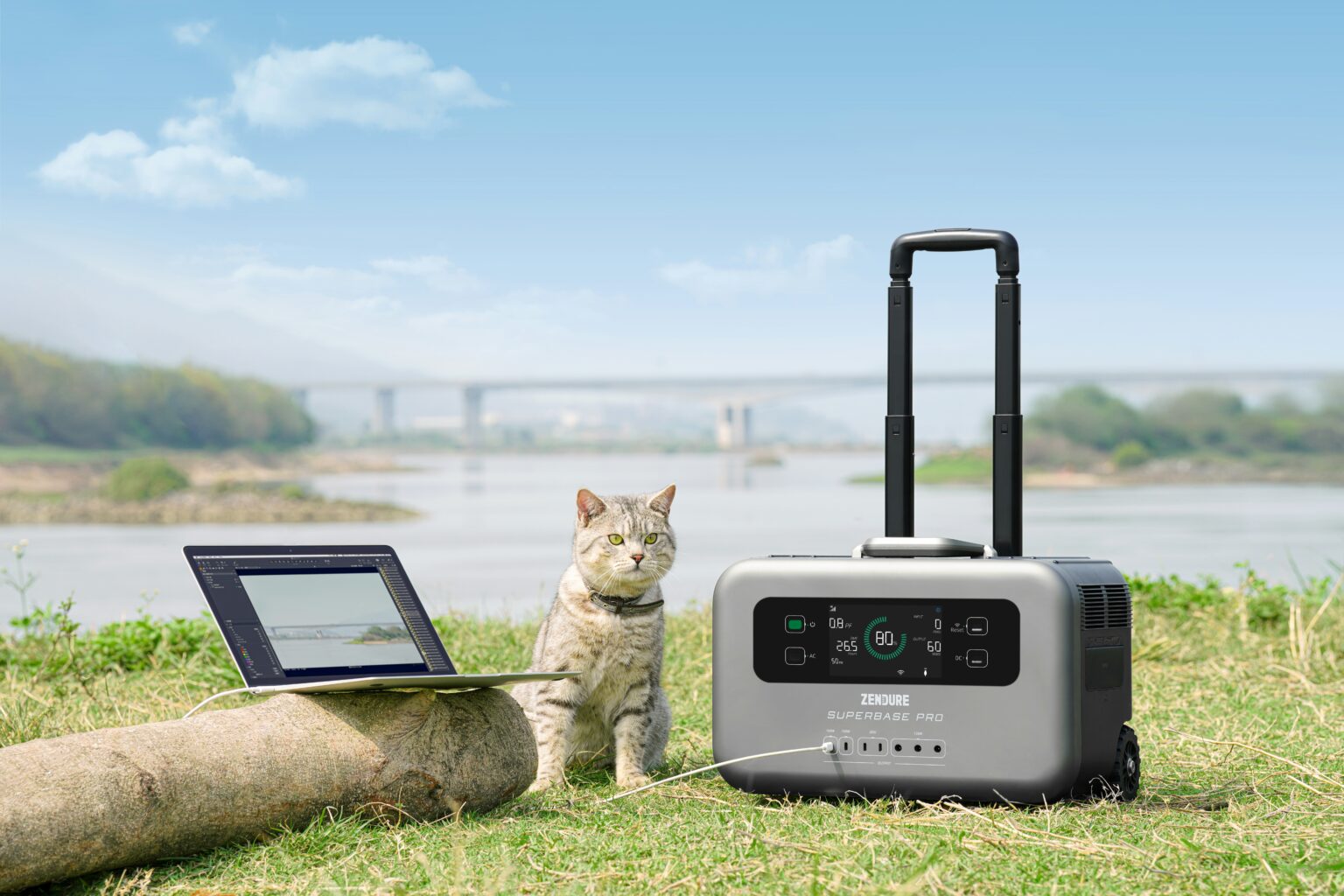
Choosing between a portable power station and a generator comes down to how you plan to use it.
Both provide backup power, but they work in very different ways. Portable power stations store electricity in a battery and deliver it silently, while generators produce power by burning fuel such as petrol or diesel.
If you’re comparing these options as part of a wider setup, it helps to understand how they fit into a complete backup power for home systems.
For short outages, indoor use and portability, power stations are often the more convenient option. For higher power output and longer runtimes, generators are typically more capable.
So, let’s get started.
Portable Power Station vs Generator at a Glance
The main differences come down to power output, runtime and how they’re used in practice.
In simple terms, portable power stations prioritise convenience and ease of use, while generators prioritise raw power and long-duration performance.
| ⚡ Feature | 🔋 Portable Power Station | ⛽ Generator |
|---|---|---|
| Power source | Battery | Petrol / diesel / gas |
| Noise | Silent | Loud |
| Indoor use | Safe | Not safe |
| Runtime | Limited by capacity | Continuous with fuel |
| Power output | Low to medium | Medium to very high |
| Maintenance | Low | Regular servicing required |
| Ease of use | Plug-and-play | Requires setup and fuel |
How Portable Power Stations Work
Portable power stations store electricity in an internal battery, which can then be used to power devices through standard outlets.
They are typically charged using a wall socket, car charger or solar panel. Once charged, they can run devices like phones, laptops, routers and some appliances depending on their capacity and output.
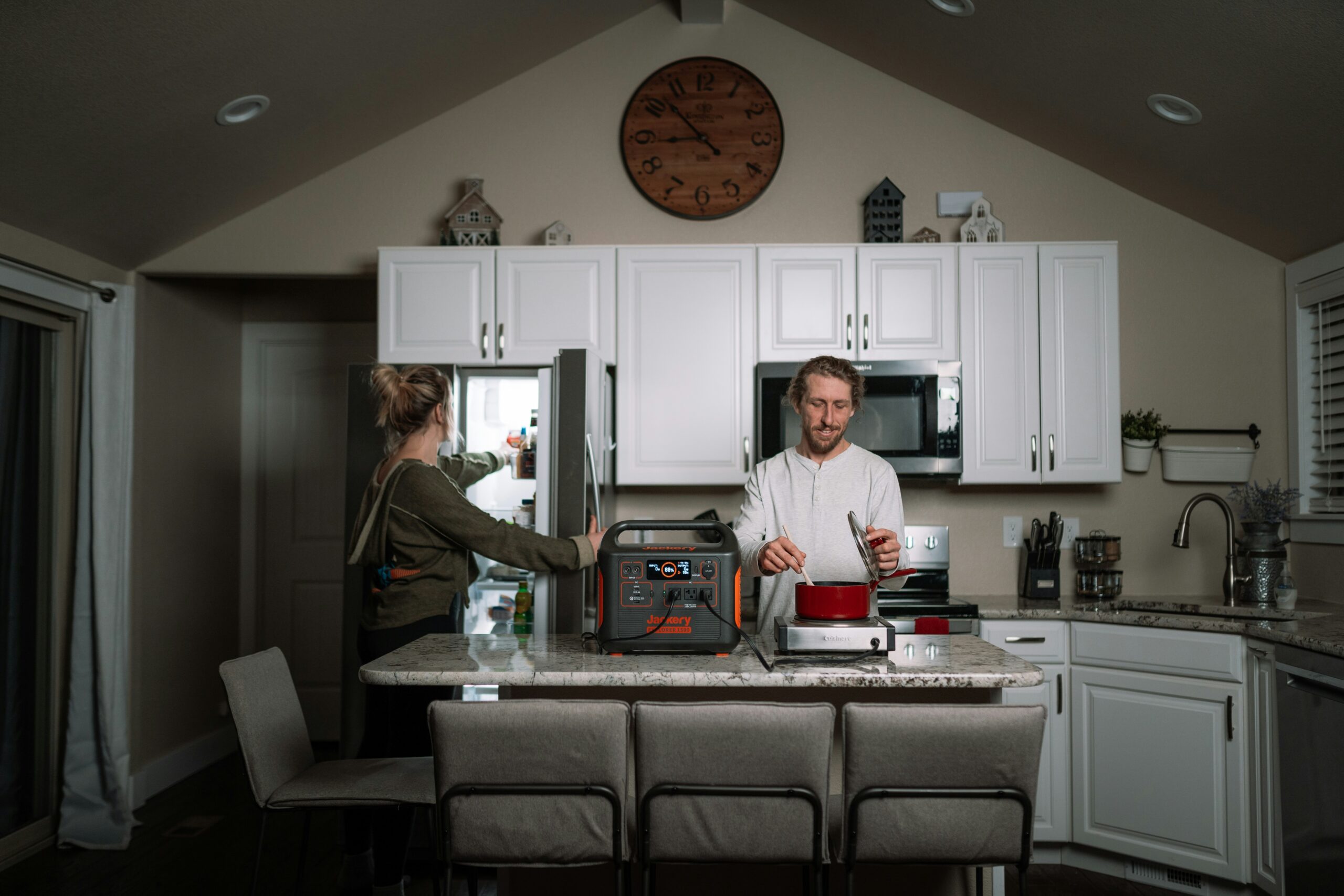
Because they don’t produce emissions, they are safe to use indoors. They also operate silently, making them ideal for home use, camping and situations where noise is a concern.
However, their main limitation is capacity. Once the battery is depleted, the unit needs to be recharged before it can be used again.
If you’re unsure what they can realistically power, it helps to understand what a portable power station can run in real-world scenarios.
How Generators Work
Generators produce electricity by converting fuel into power using an internal combustion engine.
Most portable generators run on petrol, diesel or gas. When switched on, the engine drives an alternator, generating electricity that can be used to power appliances and devices.
Because they generate power continuously, generators can run for as long as fuel is available. This makes them well suited to longer outages or high-demand situations where sustained power is required.
However, they also produce noise and exhaust emissions. This means they must be used outdoors in well-ventilated areas and require more setup compared to battery-based systems.
Key Differences That Matter in Real Use
While both options provide backup power, the differences become more noticeable in real-world use.
Noise and usability are major factors. Portable power stations run silently and can be used indoors, making them far more convenient for everyday backup. Generators, on the other hand, are significantly louder and must be positioned outside.
Power output is another key difference. Generators can handle much higher loads, making them suitable for running large appliances or multiple devices at once. Portable power stations are more limited, especially when it comes to high-power devices.
Runtime also varies significantly. Portable power stations are limited by battery capacity, while generators can run continuously as long as they have fuel. This makes generators better suited to extended outages.
Maintenance and ease of use favour portable power stations. They are typically plug-and-play with minimal upkeep, whereas generators require fuel storage, regular servicing and more hands-on operation.
In simple terms, portable power stations are easier to use and more flexible, while generators are more powerful and better suited to long-duration use.
Which Is Better for Different Use Cases?
The better option depends on how you plan to use your backup power.
For home backup during short outages, portable power stations are usually the better choice. They are quiet, safe to use indoors and ideal for running essential devices like routers, lighting and electronics.
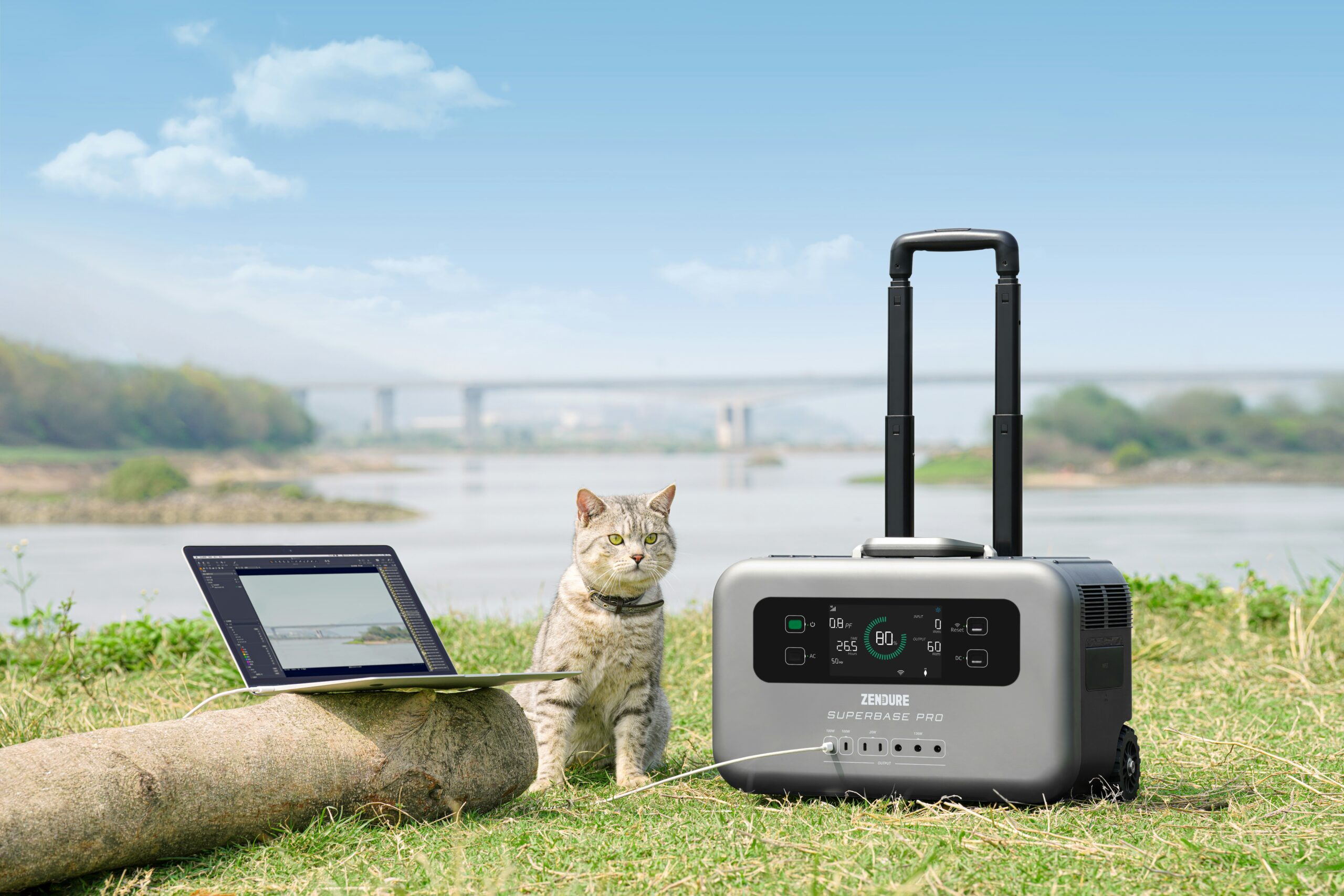
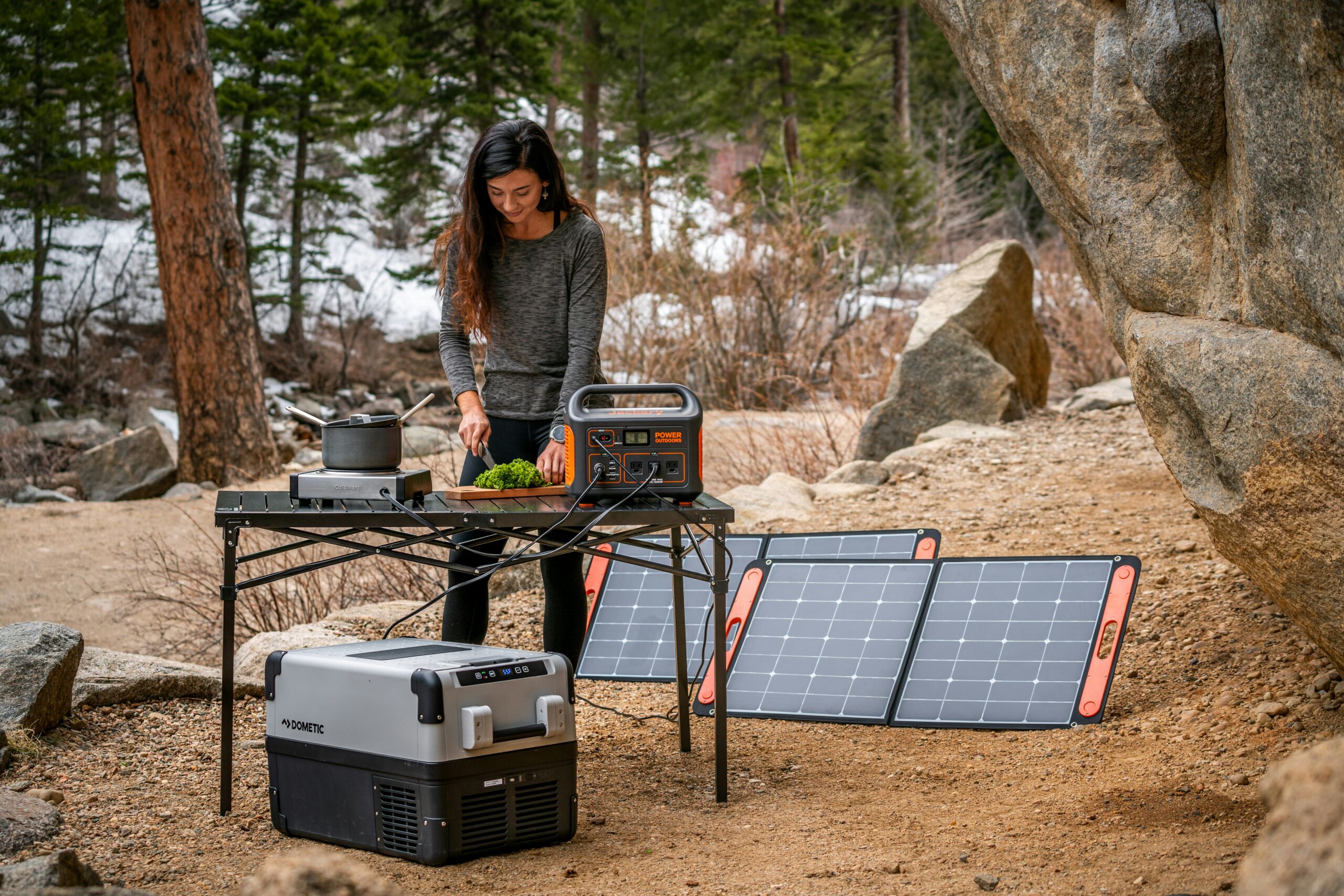
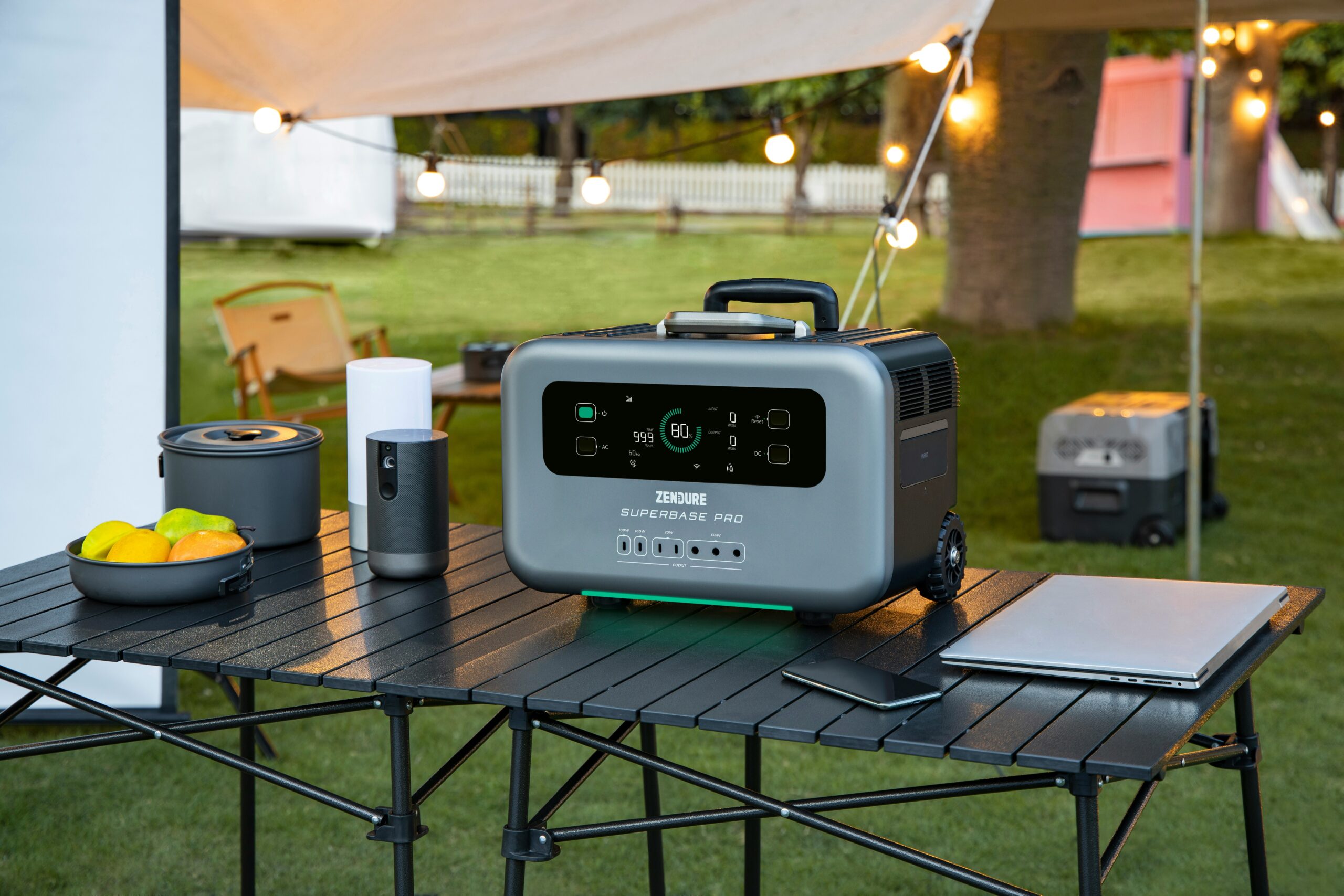
For camping, travel and off-grid use, portable power stations are also more practical. Their portability, silent operation and ability to recharge via solar make them well suited to these environments.
For longer outages or high-demand setups, generators are often more suitable. They can handle larger loads and provide continuous power, making them a better option if you need to run appliances for extended periods.
If your priority is convenience and simplicity, a portable power station is typically the better fit. If you need maximum power and runtime, a generator is the more capable solution.
Final Thoughts
Portable power stations and generators both serve the same purpose, but they are designed for very different situations.
Portable power stations are the better choice for most everyday scenarios. They are quiet, easy to use, safe indoors and ideal for running essential devices during short outages or while travelling.
Generators, on the other hand, are built for power and endurance. They are more suitable for longer outages, higher-demand appliances and situations where continuous power is required.
For many users, it’s not about choosing one over the other entirely, but understanding which solution fits their needs. If you value convenience and simplicity, a portable power station is usually the best option. If you need maximum output and long-term backup, a generator may be more appropriate.
FAQs
For most everyday use, yes. Portable power stations are quieter, easier to use and safe indoors, making them ideal for short outages and essential devices. Generators are better for higher power output and longer runtimes.
In some cases, yes. High-capacity units paired with solar panels can handle essential devices over extended periods. However, for continuous high-power use or multi-day outages, generators are still more reliable.
Yes, in most situations. They don’t produce emissions and can be used indoors, while generators must be used outside due to exhaust fumes.
Portable power stations are usually cheaper for smaller setups and have minimal running costs. Generators can be more cost-effective for high power needs but require ongoing fuel and maintenance.
Thanks for reading our article on portable power stations vs traditional generators.
Feel free to leave a comment below if you have any thoughts or queries that you’d like us to take a look at – we’d be happy to help.