Electric bike batteries are one of the most important (and expensive) components of any e-bike. They directly affect how far you can ride, how the bike performs over time, and how much long-term ownership will cost. Understanding how long e-bike batteries last, why they degrade, and when replacement becomes necessary helps set realistic expectations and avoid surprises down the line.
If you’re just getting started with electric bikes, you may want to take a look at our Beginner’s Guide to Electric Bikes for a general overview.
This guide explains how e-bike batteries work, typical lifespan ranges, what causes degradation, and what owners should realistically expect over years of use.
Let’s get started.
How Electric Bike Batteries Work (Simple Explanation)
Most modern electric bikes use lithium-ion batteries, typically based on lithium-ion or lithium-polymer cell chemistry. These batteries store electrical energy chemically and release it gradually to power the motor when you ride.
Inside the battery pack are:
– Individual lithium cells grouped together
– A Battery Management System (BMS) that regulates charging, discharging, temperature, and safety
– Protective casing designed to handle vibration and weather exposure
When you ride, energy flows from the battery to the motor in controlled amounts depending on assist level, terrain, and rider input. When charging, energy flows back into the battery, reversing the chemical process. Over time, this chemical reaction becomes less efficient, which is what causes battery degradation.
What Battery Lifespan Really Means for E-Bikes
Battery lifespan is typically measured in charge cycles, not years. One full charge cycle represents the equivalent of using 100% of the battery’s capacity, whether that happens in one ride or across several partial charges.
Most e-bike batteries are designed for 500 to 1,000 full charge cycles before capacity loss becomes significant. Importantly, reaching this point does not mean the battery suddenly stops working. Instead, usable capacity declines gradually.
In practical terms, most riders experience:
– Near-full range when the battery is new
– Noticeable range reduction after a few hundred cycles
– Diminished performance once capacity drops below roughly 70–75%
For many owners, this translates into a usable lifespan of:
– 4–6 years for occasional or leisure riders
– 3–5 years for regular commuting
– 2–4 years for heavy daily use
Even lightly used batteries degrade with age, meaning calendar time matters as much as mileage.
| 🚴 Usage Level | ⏳ Typical Lifespan | 🔋 Charge Cycles | 💷 Replacement Cost (UK) |
|---|---|---|---|
| Light use | 4–6 years | 500–800 | £250–£500 |
| Moderate commuting | 3–5 years | 600–900 | £400–£700 |
| Heavy daily use | 2–4 years | 800–1000+ | £600–£900+ |
How to Extend Electric Bike Battery Lifespan
Battery degradation is a normal chemical process rather than a manufacturing defect. Each charge cycle causes minor structural changes inside the cells, gradually reducing their ability to hold energy.
As degradation progresses, riders may notice:
– Shorter real-world range
– Faster voltage drop near the end of rides
– Earlier low-battery warnings
– Reduced power under heavy load
Several factors accelerate this process. High assist levels, steep climbs and carrying heavy loads increase electrical stress. Frequent charging to 100% or repeatedly draining the battery close to empty also shortens lifespan. Temperature plays a major role too – heat accelerates chemical ageing, while freezing conditions can cause temporary or permanent capacity loss if charging occurs when the battery is cold.
Battery quality matters as well. Higher-end cells and well-designed battery management systems generally age more predictably and retain usable capacity for longer.
How to Extend Electric Bike Battery Lifespan
While battery degradation cannot be avoided entirely, everyday habits have a major impact on how quickly an e-bike battery loses capacity. How you charge, store and ride directly affects internal cell stress, so small changes can extend usable lifespan and delay replacement.
Charge within a healthy range whenever possible.
Lithium-ion batteries experience the least stress when kept away from extreme charge levels. Regularly charging to 100% or running the battery close to empty accelerates internal wear. For everyday riding, keeping charge roughly between 20% and 80% helps slow capacity loss. Full charges are best reserved for longer rides where maximum range is needed.
Avoid leaving the battery fully charged or fully depleted for long periods.
Storing a battery at 100% for days or weeks places constant strain on the cells, even when unused. Leaving it empty risks deep discharge damage. If the bike will not be used for a while, store the battery at a partial charge and check it occasionally to maintain safe voltage levels.
Manage temperature carefully.
Heat is one of the biggest contributors to battery ageing. Avoid leaving batteries in hot environments such as cars, sheds or direct sunlight. After riding in warm conditions, let the battery cool before charging. In cold weather, charge the battery indoors once it has warmed to room temperature, as charging while cold can cause permanent damage.
Use assist levels efficiently.
Higher assist modes draw more current and generate more heat inside the battery. Occasional use is fine, but continuous maximum assist increases long-term wear. Using lower assist levels when possible and maintaining a steady cadence reduces electrical strain.
Limit aggressive riding behaviour.
Rapid acceleration, repeated full-power starts and sustained steep climbs place high loads on the battery. While designed to cope, frequent high-load use increases heat and internal stress. Smoother acceleration and more progressive riding help keep the battery operating efficiently.
Typical Electric Bike Battery Replacement Costs
E-bike battery replacement is one of the most significant long-term ownership costs, and prices vary widely depending on capacity, brand and motor system. Most replacement batteries fall into the £350 to £700 range, with premium or high-capacity packs exceeding £900 in some cases.
In the UK, typical replacement costs are:
– £250–£400 for smaller or budget batteries
– £400–£600 for mid-range branded batteries
– £600–£900+ for large-capacity or premium integrated batteries
Batteries from major brands such as Bosch, Shimano, Yamaha and Brose tend to sit at the higher end of the price scale. These systems use proprietary designs, integrated battery management electronics and strict safety certifications, which increases cost but also ensures compatibility and reliability. Third-party or generic replacements are sometimes available for less, but quality, longevity and warranty support can vary.
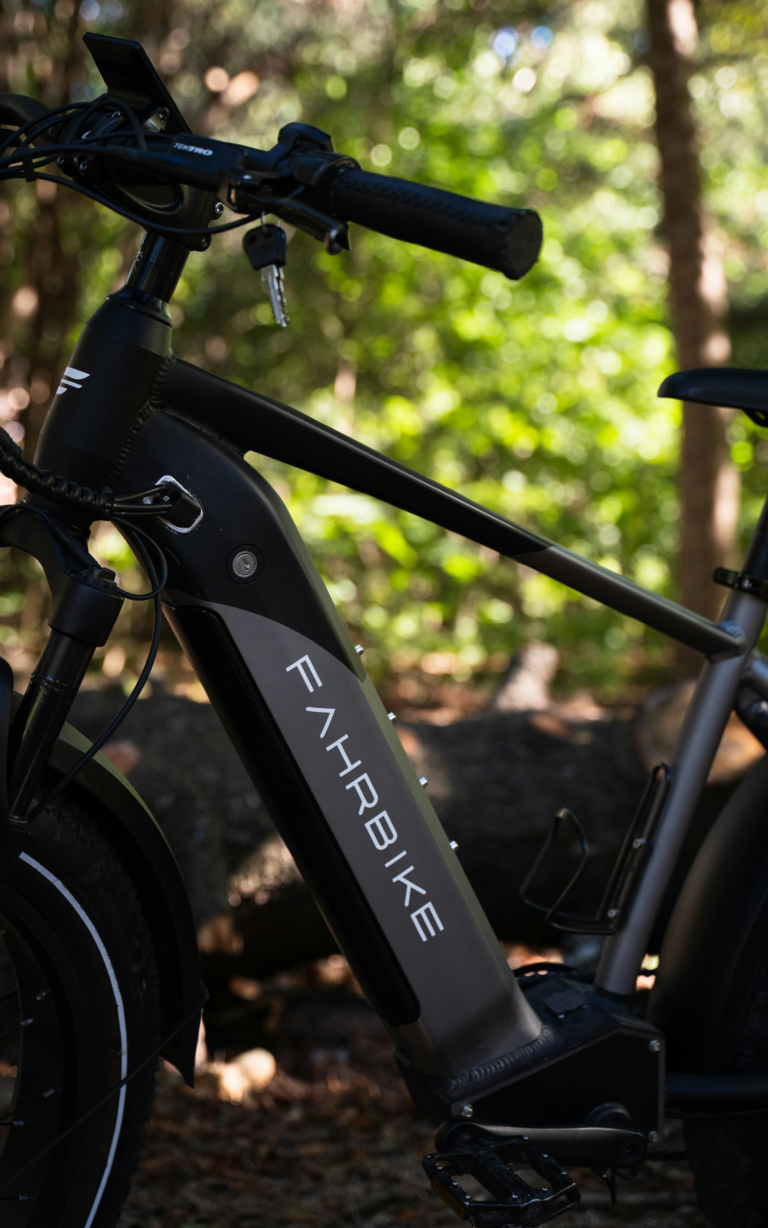
Capacity also plays a major role. Larger batteries designed for long-range riding use more cells, which directly increases cost. Frame-integrated batteries are usually more expensive than externally mounted packs due to their shape, casing and sealing requirements.
While replacement costs are high, good battery care can delay this expense by several years. Many riders reach five or more years of usable battery life before replacement becomes necessary, especially with moderate riding and careful charging habits.
Key Takeaways
E-bike batteries are consumable components that gradually lose capacity over time. This process cannot be stopped, but it can be slowed significantly with proper use.
Most batteries last 3–5 years or 500–1,000 charge cycles, depending on how they are treated. Heat, frequent full charging, deep discharges and high electrical load are the main contributors to faster degradation.
Keeping the battery within a moderate charge range, avoiding extreme temperatures and riding smoothly all reduce internal stress. These habits help preserve range, maintain consistent performance and delay replacement costs.
Understanding battery lifespan and care is essential for realistic long-term ownership. Riders who manage their batteries well benefit from longer usable life, more reliable range and lower overall running costs.
FAQs
Most e-bike batteries last between 3 and 5 years with regular use, or 500–1,000 charge cycles, before noticeable capacity loss occurs.
Yes. Repeated deep discharges increase wear and shorten lifespan. It’s best to recharge before the battery becomes very low.
Modern batteries have protection systems, but regularly charging to 100% and leaving the battery fully charged accelerates long-term degradation.
Thank you for reading our explanation of electric bike battery life and how to extend it.
If you want more information, check out our article on How Energy Efficient Are Electric Bikes?
Feel free to leave a comment below if you have any thoughts or queries that you’d like us to take a look at – we’d be happy to help.